Can I drink wine with ulcerative colitis?
By Jude Horak, UC patient. Sources checked 2026-08-12.
Also searched as: red wine, white wine.
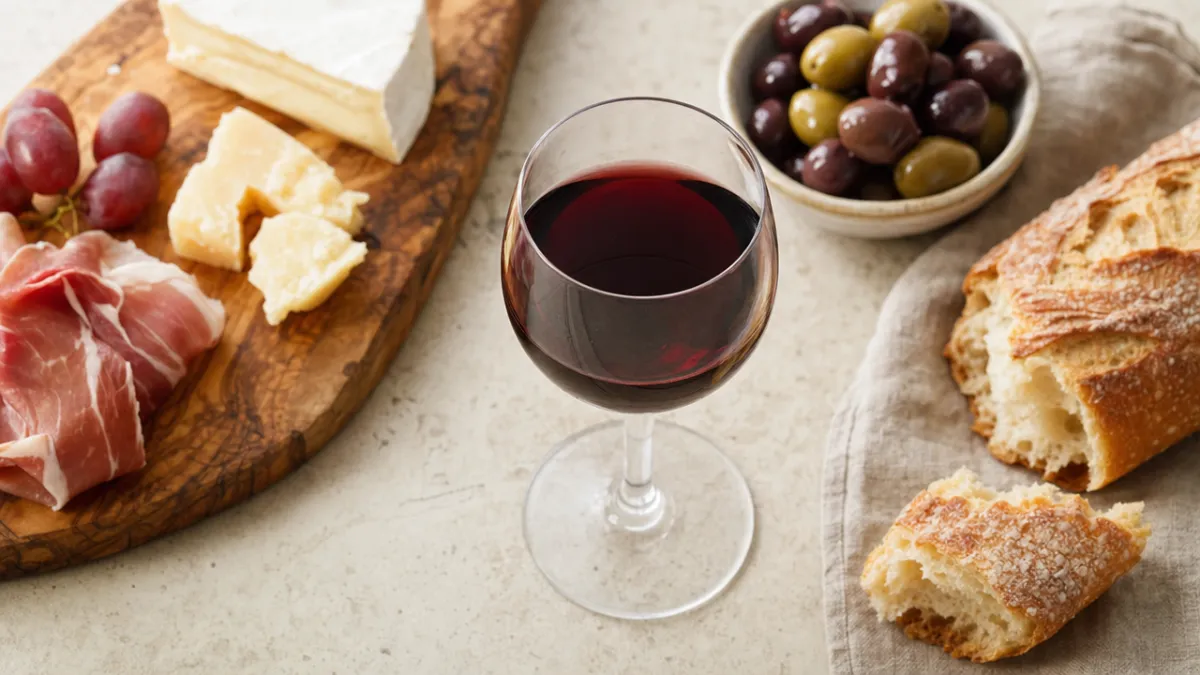
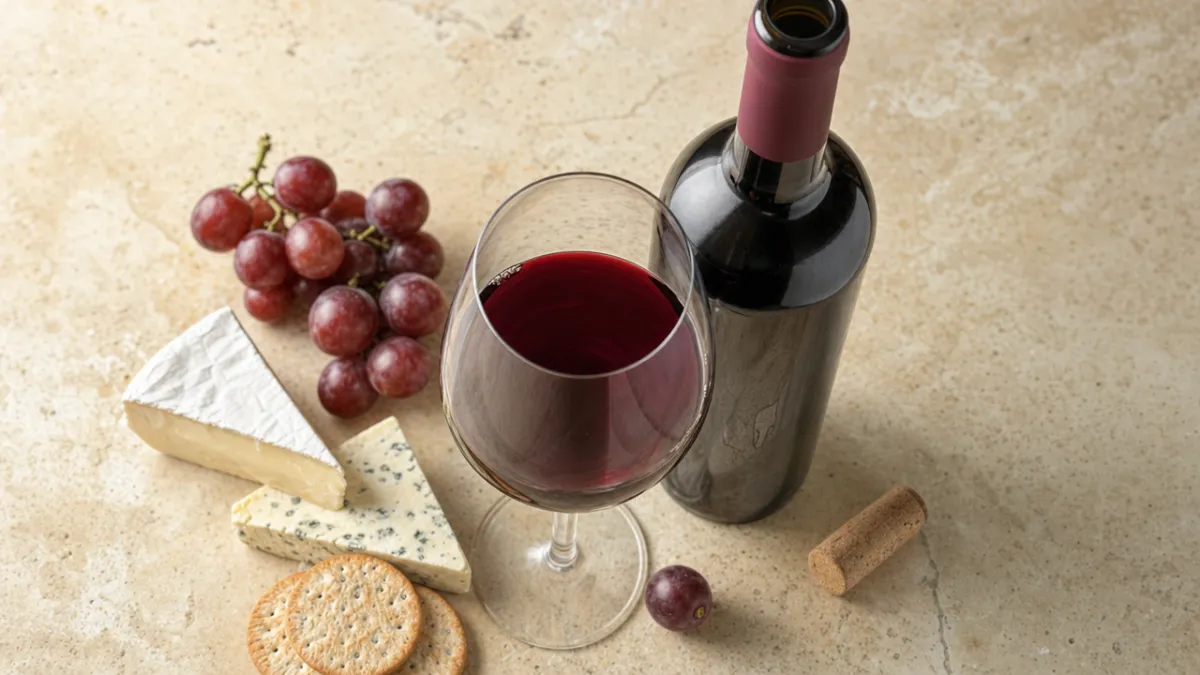
Wine's alcohol content can stimulate the gut and worsen diarrhea during active inflammation, the same as other alcoholic drinks. Interestingly, a large cohort study found red wine consumption was associated with somewhat lower IBD risk across all the amounts studied, likely related to its polyphenol content, while white wine and champagne were linked to higher risk with increasing amounts. This is population-level association data, not a reason to start or increase drinking.
During a flare
Wine, including red wine, is commonly avoided during a flare because alcohol itself can irritate the gut and worsen diarrhea regardless of type.
In remission
In remission, light wine intake is tolerated by many people; research has found different risk patterns for red versus white wine, but this doesn't mean red wine is protective for any individual.
What the research says about wine and UC
Wine has the most drink-specific signal of anything in this category, and it points in two directions. The UK Biobank analysis published in PMC (National Institutes of Health) found red wine consumers had 12 to 16 percent lower odds of IBD than non-drinkers across every amount studied, from one glass a week upward. White wine and champagne showed the reverse: 12 percent higher odds at one to two glasses a week, climbing with heavier intake. The authors suggested polyphenols in red wine as a possible explanation but did not test it. The key limit is that these are odds of developing IBD, measured in people who mostly did not have it, and the paper still concluded alcohol is not recommended.
No such distinction between red and white appears in Cleveland Clinic's nutritional plan for Crohn's and UC: all types of alcoholic beverages, wine included, are described as irritating to a symptomatic GI tract and as poor choices during a flare. Sulfites, histamine, and the acidity of white wine are commonly blamed by patients but are not examined in either source. So the color-of-wine finding is intriguing epidemiology, the flare advice is general alcohol guidance, and there is no study of what a glass of wine does to someone with active UC.
Ways to make it gentler
- Have wine with food, not on an empty stomach
- Alternate with water
Safer swaps
- non-alcoholic wine
- sparkling water with a splash of juice
How I handle wine
Wine is the drink I am most likely to say yes to in remission, and red is what I reach for, though not because I think it is medicine. It is lower in acid than most whites, still rather than sparkling, and easy to keep to a single small pour with dinner. I drink it slowly, with food already in me, and I put a glass of water next to it. Dry whites and anything sparkling are the ones I skip; the acid and the bubbles both seem to matter more than the alcohol at that volume. Sweet dessert wines are a no for me because of the sugar. During a flare there is no wine at all, since alcohol of any color irritates an inflamed colon. I do not read the red wine research as permission to drink more; a small glass is a small glass, and heavier drinking is where the risk lives.
How much, and how to test it
Start with a half glass, about 3 ounces, of a dry red or a low-acid white, with a full meal, on a quiet evening. Skip sparkling and sweet styles for the first test. Keep the rest of the meal familiar. The signals worth tracking for the next 24 to 72 hours are a looser or more urgent first stool the next morning, cramping, reflux from the acidity, or a headache that suggests you are reacting to something in the wine other than alcohol. If clear, try a full glass on a later evening. Stop if anything worsens, and skip wine entirely during flares.
What you get from wine
A 5-ounce glass of wine contributes roughly 120 calories, essentially all from alcohol and residual sugar, plus trace potassium and, in red, polyphenols like resveratrol in amounts far too small to treat anything. It offers no protein, no meaningful vitamins, and it draws fluid out through its diuretic effect, so it counts against hydration rather than toward it. Sweet and fortified wines carry more sugar, which can add an osmotic pull on the bowel. Alcohol also works against bone density over time.
Why this one shows up on trigger lists
Wine is flagged for one of the properties that most commonly cause UC symptoms. Each page explains the mechanism and lists every other food that carries it.
Questions people ask about wine and UC
Can you drink wine with ulcerative colitis?
In remission, many people tolerate a small glass with food without a clear reaction, and wine is often reported as easier than beer because it is still rather than carbonated. The alcohol is the same irritant it is in any drink, so amount and timing matter more than the label. During a flare wine is commonly avoided, and if your medications have alcohol considerations, that question belongs with your care team.
Is red wine better than white wine for colitis?
The cohort research cited on this page found red wine drinkers had somewhat lower IBD risk and white wine drinkers somewhat higher, which is a striking pattern but describes who develops IBD, not how a glass affects existing disease. In practice, red is usually less acidic and less often sparkling, which are the properties people feel. That makes red the more common choice, without making it protective.
Why does wine give me diarrhea the next morning?
Alcohol speeds gut transit and reduces water absorption in the colon, so stools arrive sooner and looser. It also irritates the lining directly, which an inflamed colon feels more than a healthy one. Sugar in sweeter wines adds an osmotic effect, and the dehydration from the evening can paradoxically make the next stool worse. Smaller amounts, food first, and water alongside blunt most of this.
Are sulfites in wine a problem for UC?
There is no UC-specific evidence on sulfites in either cited source. Sulfite sensitivity exists but is uncommon and usually shows up as respiratory or skin symptoms rather than gut ones. If you suspect an ingredient beyond alcohol, comparing a low-sulfite wine to a regular one on separate weeks is a fair test. Most gut reactions to wine track the alcohol and acid, not the preservative.
Sources
- Risk of inflammatory bowel disease appears to vary across different frequency, amount, and subtype of alcoholic beverages (National Institutes of Health (PMC))
- A Nutritional Plan for Anyone Living With Crohn's Disease or Ulcerative Colitis (Cleveland Clinic)
Written by Jude Horak, a UC patient. Sources last checked 2026-08-12. Spotted an error? Tell me.