Can I eat green beans with ulcerative colitis?
By Jude Horak, UC patient. Sources checked 2026-08-12.
Also searched as: string beans, snap beans.
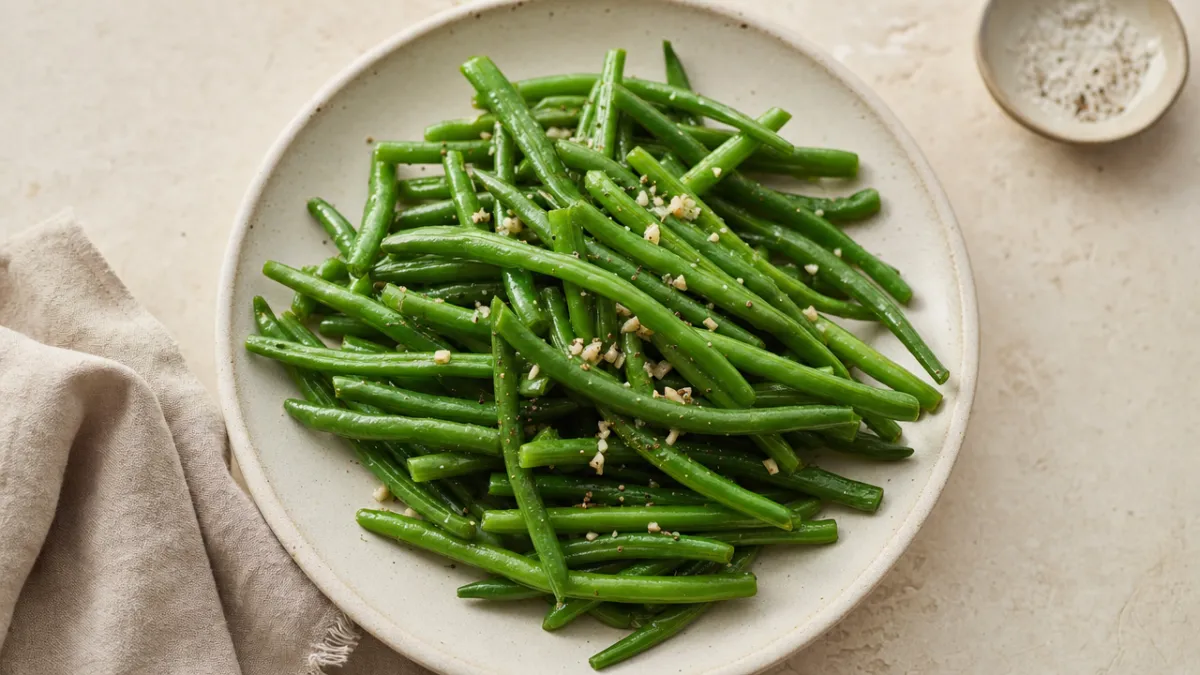
Well-cooked green beans are low FODMAP and are named directly as a suitable choice on low-fiber diet guidance, making them one of the gentler vegetables when cooked soft. Raw or barely-cooked beans are tougher and carry more intact insoluble fiber.
During a flare
Cooked until soft, green beans are commonly recommended during a flare.
In remission
Usually well tolerated in most preparations once symptoms settle.
What the research says about green beans and UC
Green beans sit on the easy side of the vegetable list for two reasons that different sources cover. Cleveland Clinic's low-fiber diet page names green beans among the well-cooked vegetables that fit when fiber needs to come down, alongside carrots, squash, and skinless potatoes. Monash FODMAP testing puts green beans in the low FODMAP range at a standard serving, though their data shows the fermentable load creeping up at larger portions, so the serving size is not unlimited the way it is for carrots. Despite the name, green beans are pods rather than legumes in the dietary sense: they carry a small fraction of the protein, fiber, and oligosaccharides that make dried beans and lentils such common gas triggers.
Neither source studied green beans in people with ulcerative colitis. Cleveland Clinic's advice is general low-fiber guidance used for flares, diverticulitis, and surgery prep, and Monash's serving-size data comes from IBS research. The practical takeaway they support is about texture: a green bean cooked until it bends easily has had much of its insoluble fiber structure broken down by heat, while a crisp-tender bean has not. That distinction matters more for someone with an inflamed colon than the vegetable's nutrition label suggests.
Ways to make it gentler
- cook until tender rather than crisp-tender if still symptomatic
- trim tough ends
How I handle green beans
Green beans are the vegetable I cook longer than any recipe tells me to. Restaurants and cookbooks want them bright green and snappy, and that is exactly the texture I skip when my gut is unhappy. During a flare I simmer them until they are fully soft, trim the ends and any strings, and eat them with a little butter or olive oil and salt. Canned green beans, rinsed, are actually useful here because they are already cooked to that stage. When I am in remission I go back to roasted or stir-fried beans with more bite. Where I stay careful is the company they keep: green bean dishes often come with almonds, fried onions, garlic, or a creamy mushroom sauce, and any of those can be the real problem. Plain beans first, then decide about the extras.
How much, and how to test it
Try half a cup of green beans cooked until fully soft, with a meal you already tolerate well. Over the next day or two, watch for gas, bloating, or a change in stool pattern. If that is fine, build to a full cup and then experiment with firmer cooking. Because Monash data shows the fermentable load rising at larger servings, keep portions around a cup until you are confident. If bloating shows up at bigger portions, that is the likely reason, and pulling back to a smaller serving usually settles it.
What you get from green beans
Green beans contribute vitamin K, vitamin C, folate, and a modest amount of potassium, with only around 30 calories per 100 grams. Vitamin K matters for bone health, which is worth thinking about for anyone who has spent time on corticosteroids. Folate is also relevant because some IBD medications and ongoing inflammation can lower it. They are not a calorie or protein source, so pair them with something more substantial on days when weight is a concern.
Questions people ask about green beans and UC
Can I eat green beans with colitis?
For many people, yes, and they are one of the more commonly recommended cooked vegetables during a flare as long as they are soft. Steamed or simmered until tender, trimmed of strings, and served plainly, green beans are low FODMAP and low in the rough fiber that bothers an inflamed colon. Crisp, barely cooked beans or beans in rich casseroles are where tolerance tends to drop.
Are green beans the same as beans for ulcerative colitis?
No, and the difference matters. Dried beans, lentils, and chickpeas are legumes loaded with oligosaccharides and insoluble fiber, which is why they are classic gas and cramping triggers. Green beans are immature pods eaten whole, with a fraction of that fermentable load. Someone who avoids kidney beans or chili during a flare can often still eat soft-cooked green beans without the same effect.
Do green beans cause inflammation?
There is no evidence that green beans promote inflammation, in UC or otherwise. Any discomfort people notice is usually mechanical or fermentation-related: undercooked beans with tough fiber moving through an already irritated colon, or a larger serving pushing the fermentable carbohydrate load up. Neither of those is inflammation caused by the food, and both tend to resolve with softer cooking and smaller portions.
Is steaming the best way to cook green beans for UC?
Steaming works well as long as you steam them past the crisp-tender stage. Boiling, simmering in broth, and slow roasting until they wrinkle also get them soft. The cooking method matters less than the end texture: a bean that bends without snapping is the goal during a flare. Save quick saute and stir-fry, which leave beans firm, for remission.
Recipes that use green beans
Sources
- Low-Fiber Diet: What It Is and Foods To Eat (Cleveland Clinic)
- FODMAP food list (Monash FODMAP)
Written by Jude Horak, a UC patient. Sources last checked 2026-08-12. Spotted an error? Tell me.