Can I eat potatoes with ulcerative colitis?
By Jude Horak, UC patient. Sources checked 2026-08-12.
Also searched as: white potatoes, russet potatoes.
Have Crohn's instead? Jump to the Crohn's notes
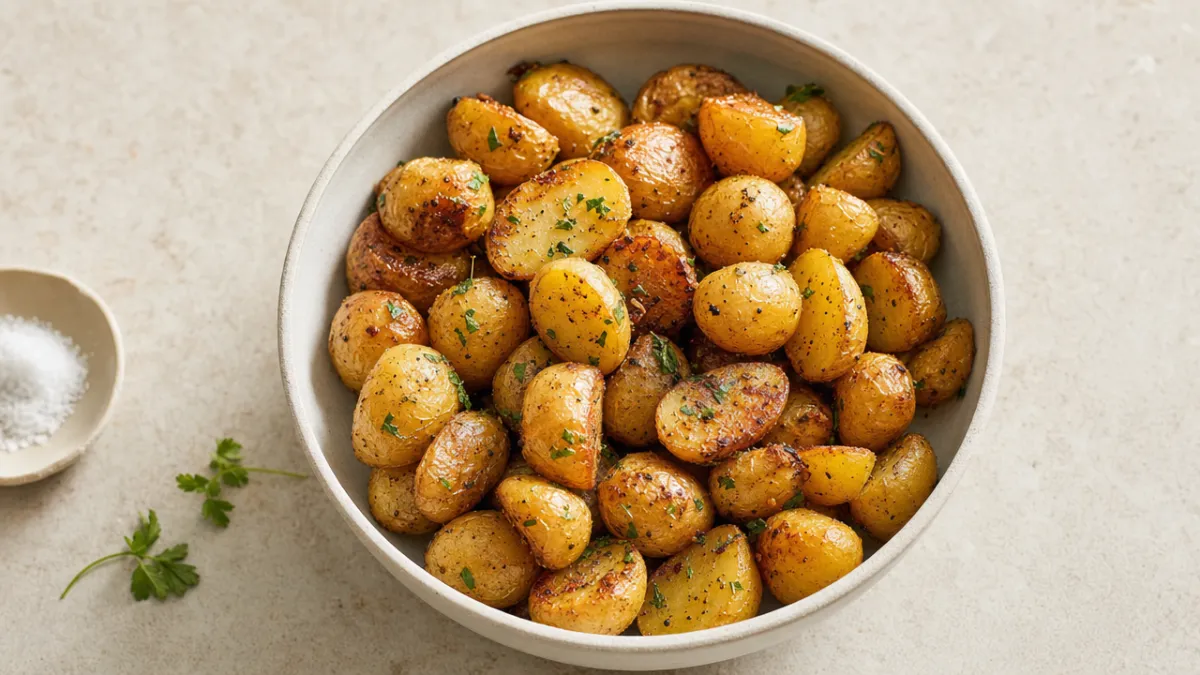
Peeled, cooked potatoes are mostly soluble fiber and starch, which makes them one of the more consistently gentle vegetables on low-fiber and low-residue eating plans. The skin adds insoluble fiber that is harder to break down, and as a nightshade potatoes contain small amounts of solanine, though clinicians note there isn't solid evidence this is harmful.
During a flare
Peeled, boiled, baked, or mashed potatoes cooked until fork-tender are a common low-residue staple during a flare.
In remission
Skin-on potatoes and fried preparations (chips, fries) can usually be reintroduced gradually as tolerated.
What the research says about potatoes and UC
Among the vegetables covered on this site, the peeled white potato has some of the clearest support in general low-fiber guidance. Cleveland Clinic's low-fiber diet overview lists potatoes without the skin among vegetables that are usually acceptable when the gut needs a rest, alongside other well-cooked, skinless choices. The American Gastroenterological Association's patient guide on fiber in IBD draws the line between soluble fiber, which dissolves into a gel and tends to slow things down, and insoluble fiber, which adds bulk and can be rough on an inflamed colon. Peeled potato falls mostly on the soluble side once cooked, which is why it turns up on so many flare menus. None of this comes from a trial that fed potatoes to people with ulcerative colitis; it is extrapolated from how low-residue eating is generally structured.
The nightshade question comes up often. Cedars-Sinai's piece on superfoods and inflammatory disease explains that potatoes, tomatoes, peppers, and eggplant contain small amounts of solanine, that some people with autoimmune or inflammatory conditions choose to limit them, and that there is little solid evidence they are harmful. For potatoes, the more practical variable is probably preparation: skin on or off, fried or boiled, plain or loaded with butter, cheese, and sour cream. The sources cited here treat fat and dairy add-ons as separate variables rather than something inherent to the potato.
If you have Crohn's instead of UC
I have UC, not Crohn's, so this part is research rather than experience.
A peeled potato cooked soft is usually one of the easier starches with Crohn's, even for people with a narrowed bowel. The part that changes is the skin. Potato skin is a thin, papery layer that tends to tear into loose scraps rather than break down, and Crohn's & Colitis UK lists vegetable skins among the foods people with a stricture may be advised to avoid because they could block the gut. The same charity explains that a stricture can come from scar tissue as well as active inflammation, so the narrowing may not ease when a flare does, and skin-on potatoes may stay off the list well into remission.
Jacket potatoes, skin-on wedges, and crispy potato skins are the versions to check with your gastroenterologist or dietitian if you have a stricture. Boiled, mashed, or baked flesh scooped out of the skin usually keeps potatoes on the plate.
Based on: Crohn's & Colitis UK; Crohn's & Colitis UK; Cleveland Clinic. More on how Crohn's and UC diets differ.
Ways to make it gentler
- peel before cooking
- boil, bake, or mash until fork-tender
- go easy on fried preparations
Safer swaps
- peeled sweet potato
- white rice
How I handle potatoes
Potatoes are my default carb when I am not sure what else is going to work. My approach during a flare is boring on purpose: peel them, boil or bake until a fork goes through with no resistance, and eat them plain or with a little salt and a small amount of olive oil. Mashed with a splash of lactose-free milk is about as fancy as I get on a rough week. What I watch is not the potato itself but what rides along with it. A loaded baked potato or a plate of fries is a different food from a boiled potato, and I try to treat them that way. When things are calm I go back to skin-on roasted potatoes, but I add them back slowly and notice whether the skins show up later. Cold potato salad with lots of mayo I save for good stretches.
How much, and how to test it
A reasonable starting portion is one small peeled potato, about the size of a fist, boiled or baked soft. Eat it on its own or with something you already tolerate, not as part of a new meal with three other variables. Over the next day or two, note stool frequency, urgency, and any cramping compared with your baseline. If that goes fine, try a larger portion, then mashed with a little fat, then skin-on. Back off to peeled and plain if the skin or fried versions seem to change things.
What you get from potatoes
A medium boiled potato brings roughly 600 to 900 milligrams of potassium, more than a banana, which matters when frequent diarrhea is draining electrolytes. It is also an easy source of calories and vitamin C at a time when appetite is low and weight is slipping. Cooked and cooled potato forms some resistant starch, which some people find gentler and others find more gas-producing, so that is worth noticing on its own.
Why this one shows up on trigger lists
Potatoes is flagged for one of the properties that most commonly cause UC symptoms. Each page explains the mechanism and lists every other food that carries it.
Questions people ask about potatoes and UC
Can I eat mashed potatoes with colitis?
Plain mashed potatoes made from peeled potatoes are often one of the easier foods during a flare, since the skin is gone and the starch is fully cooked. The add-ins are where people run into trouble: heavy cream, lots of butter, cheese, garlic, or chives can each be a separate trigger. Start with potato, salt, and a little olive oil or lactose-free milk, and layer richer ingredients back in once you know the base is fine.
What are the potato bits that show up in stool with ulcerative colitis?
Undigested potato skin is the usual culprit, since the skin is mostly insoluble fiber that does not break down much, especially when the gut is moving fast. Seeing fragments is common and not by itself a sign of damage, but it is a useful clue that skin-on potatoes are moving through faster than your gut can process them. Peeling them for a while, then trying skin-on again in remission, is a simple way to test.
Are potatoes a nightshade, and does that matter for UC?
Yes, potatoes are a nightshade along with tomatoes, peppers, and eggplant. Cedars-Sinai notes that the solanine in nightshades gets blamed for inflammation, but that evidence they harm people with inflammatory conditions is weak. Most people with UC tolerate peeled, cooked potatoes well. If you suspect nightshades bother you, a short trial without them, tracked honestly, tells you more than any general rule.
Are french fries or chips okay with ulcerative colitis?
Fried potatoes add a lot of fat, and high-fat meals are commonly reported to speed up gut motility and worsen diarrhea during active disease. The skin on many fries and chips adds insoluble fiber as well. Many people find baked or air-fried wedges, peeled, are a middle ground. In remission, fries in a normal portion are usually fine, but they are among the first potato preparations to drop when symptoms return.
Why do fries cause diarrhea for some people with Crohn's disease?
The ileum, the last part of the small bowel, is often the reason. Cleveland Clinic explains that about 95% of bile acids are normally reabsorbed there. When Crohn's damages the ileum, or part of it is removed in surgery, more bile acids can reach the colon and cause watery diarrhea. A fatty meal prompts more bile release, which is why providers commonly recommend a low-fat diet for this problem, and why a basket of fries is a heavier test than a boiled potato. Crohn's confined to the colon does not usually cause this particular problem.
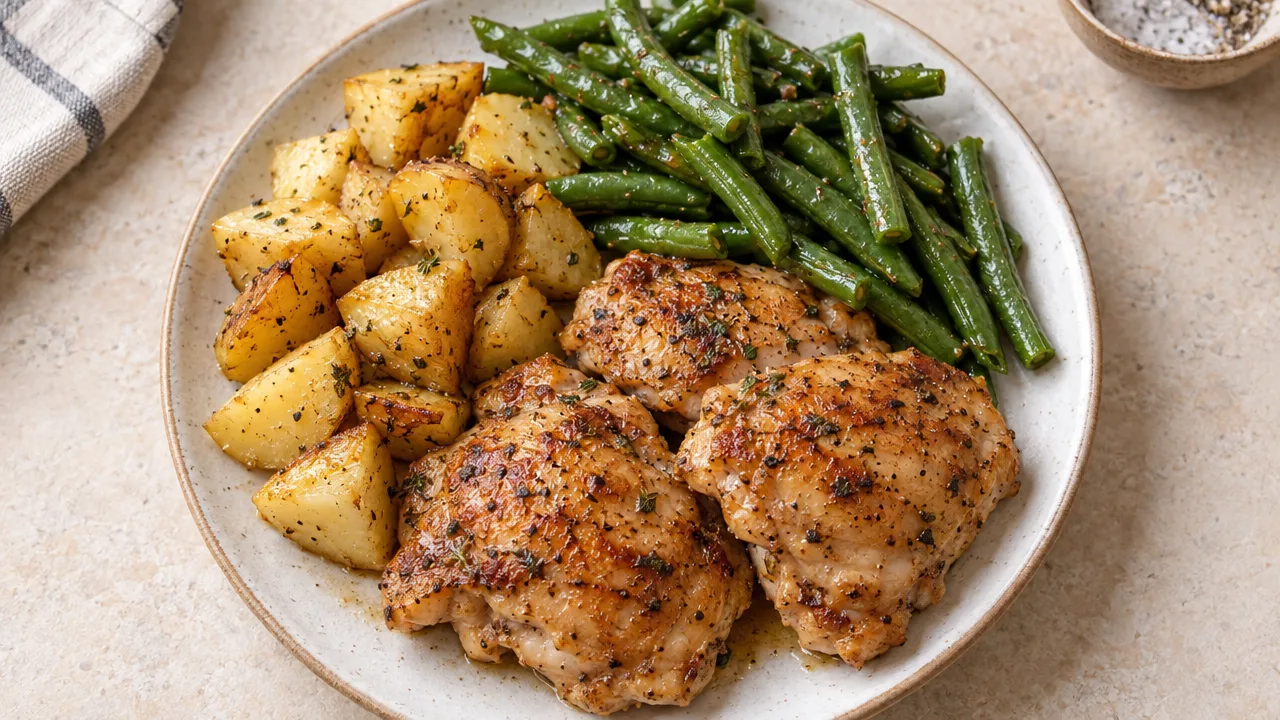
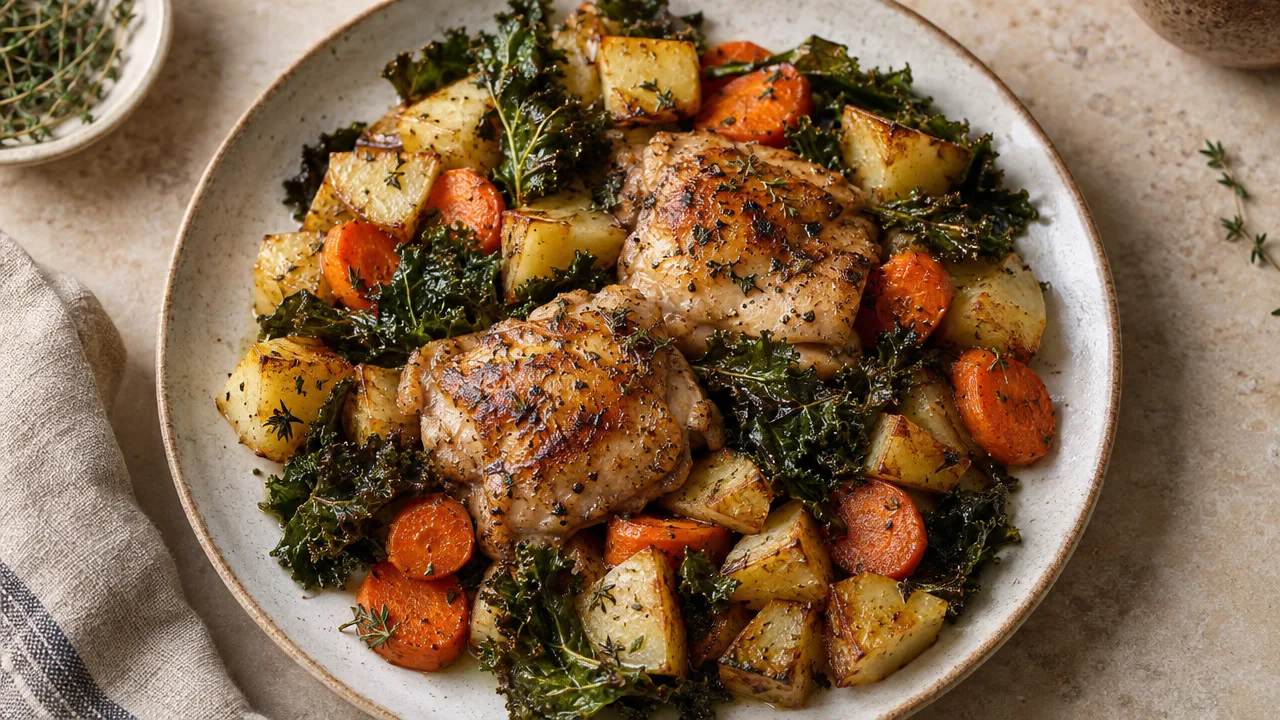
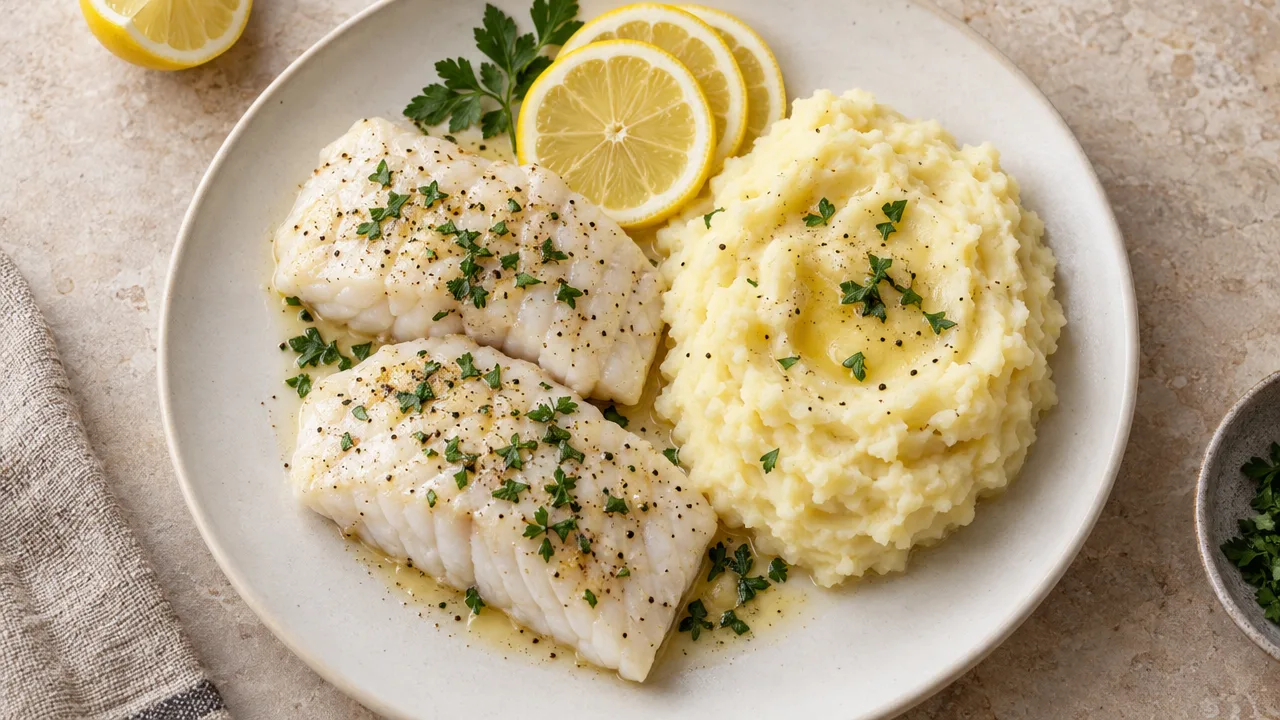
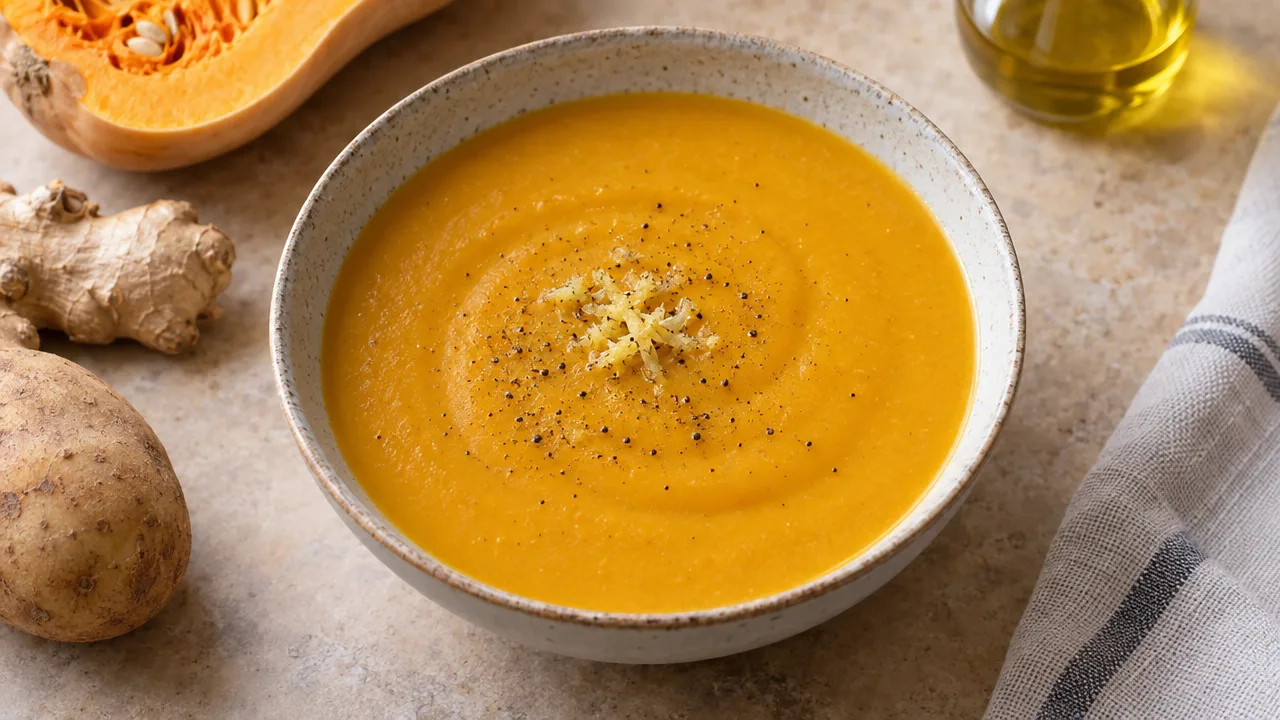
Recipes that use potatoes
Sources
- Inflammatory bowel disease (IBD): Role of fiber (American Gastroenterological Association)
- Low-Fiber Diet: What It Is and Foods To Eat (Cleveland Clinic)
- When Superfoods and Inflammatory Diseases Are a Recipe for Trouble (Cedars-Sinai)
- Food and Crohn's or Colitis (Crohn's & Colitis UK)
- Crohn's Disease (Crohn's & Colitis UK)
- Bile Acid Malabsorption (Cleveland Clinic)
Written by Jude Horak, a UC patient. Sources last checked 2026-08-12. Spotted an error? Tell me.