Hummus and Roasted Vegetable Wrap
By Jude Horak, UC patient. Remission. Lunch.
- Prep
- 10 min
- Cook
- 25 min
- Total
- 35 min
- Serves
- 2
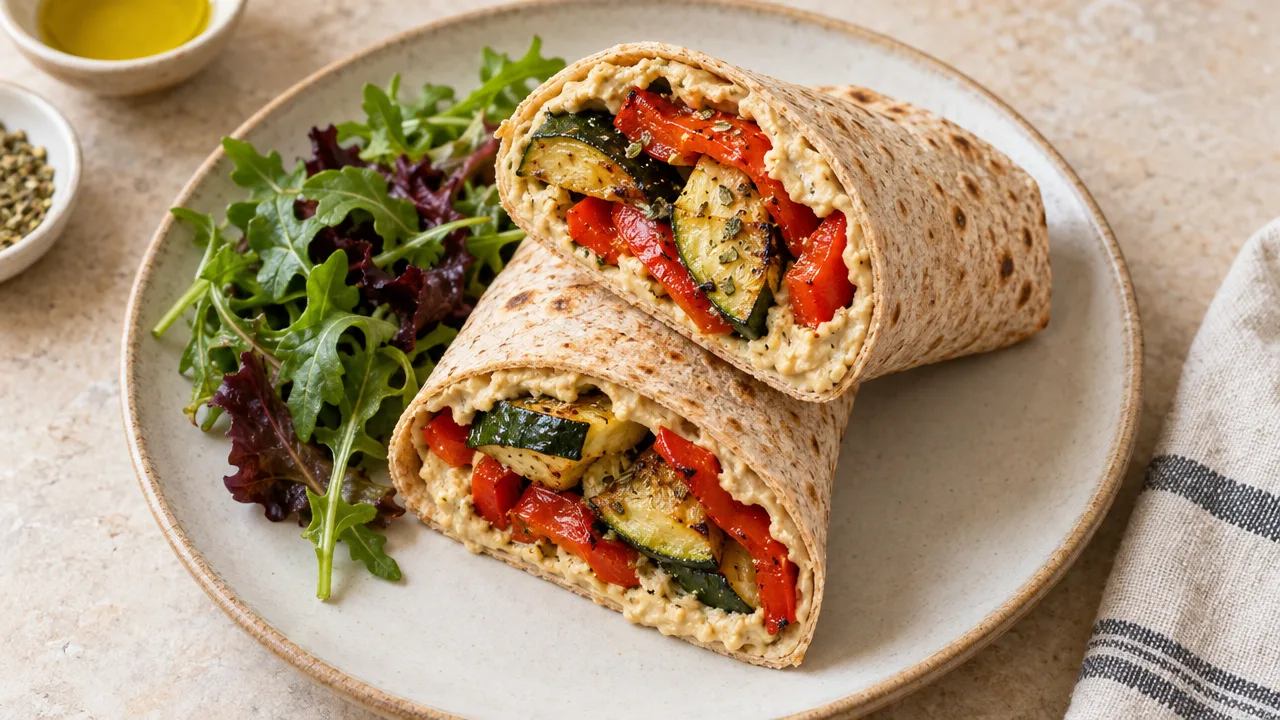
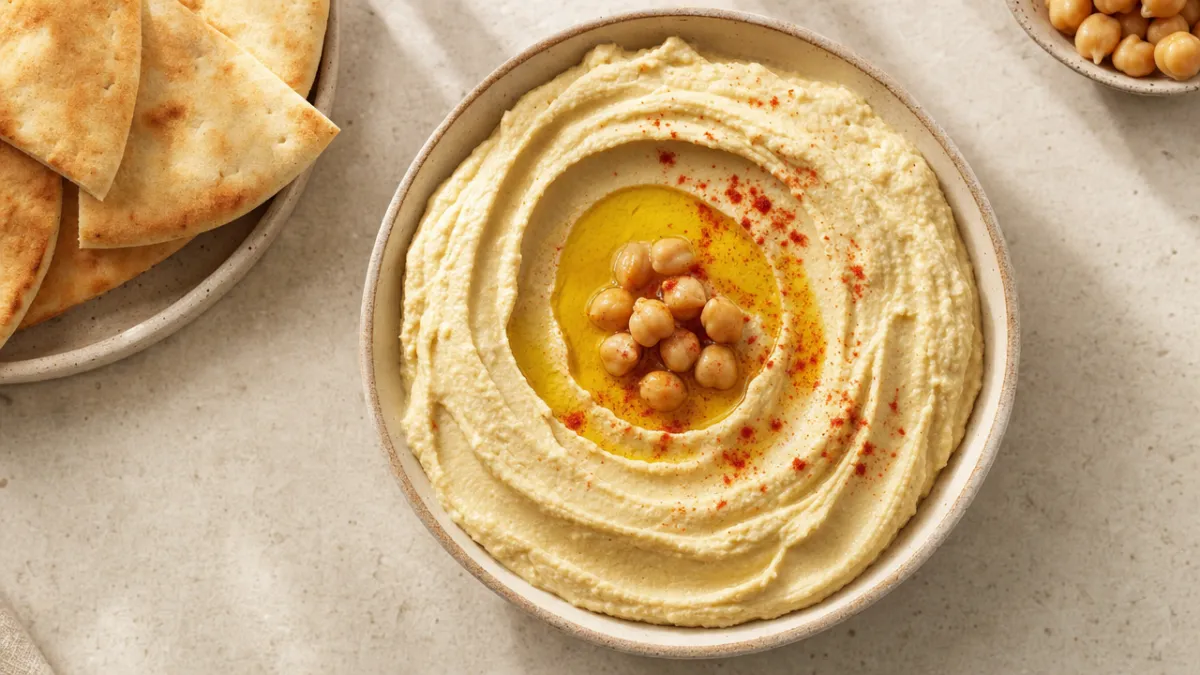
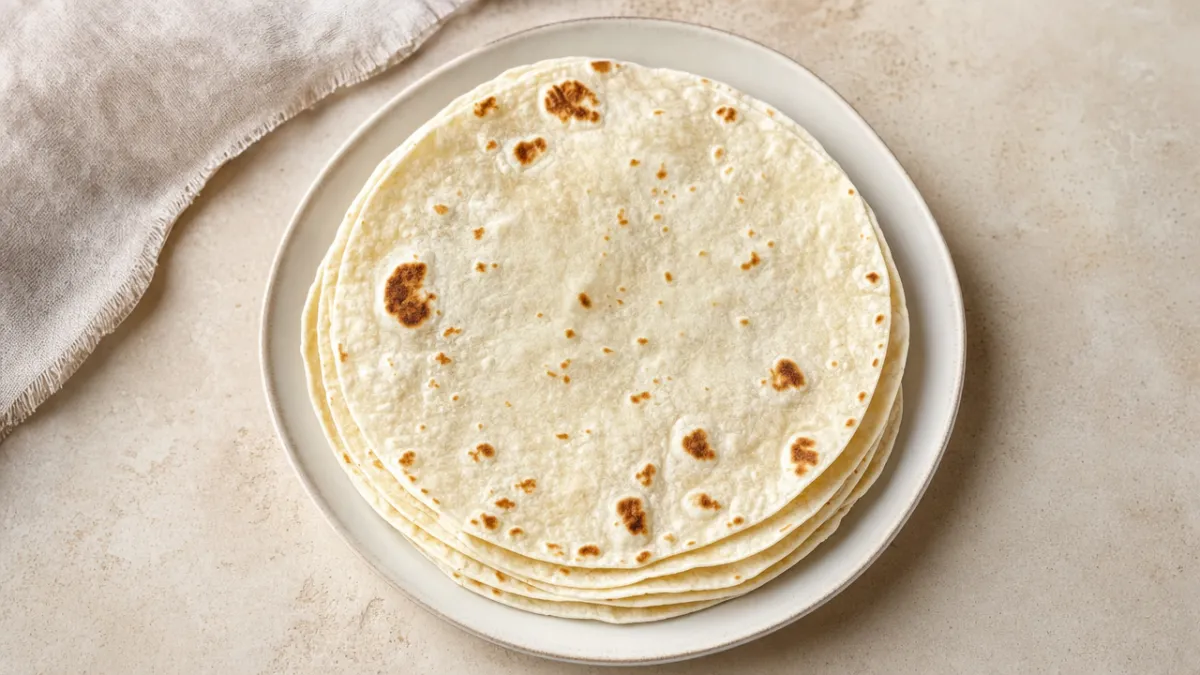
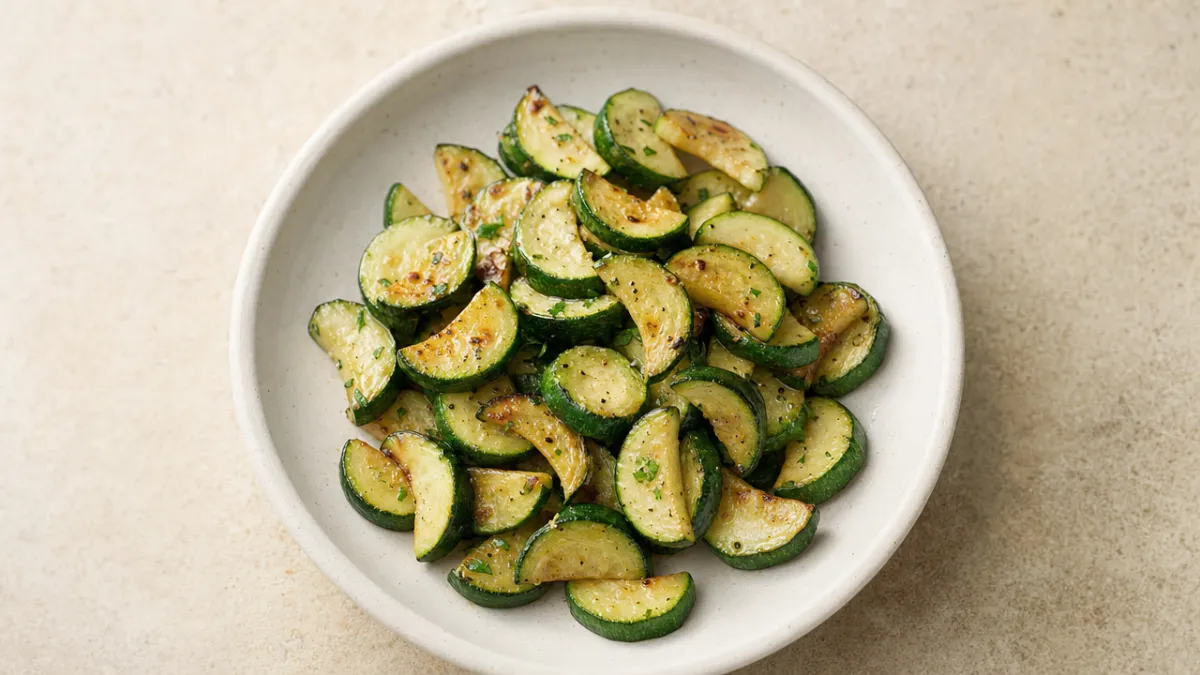
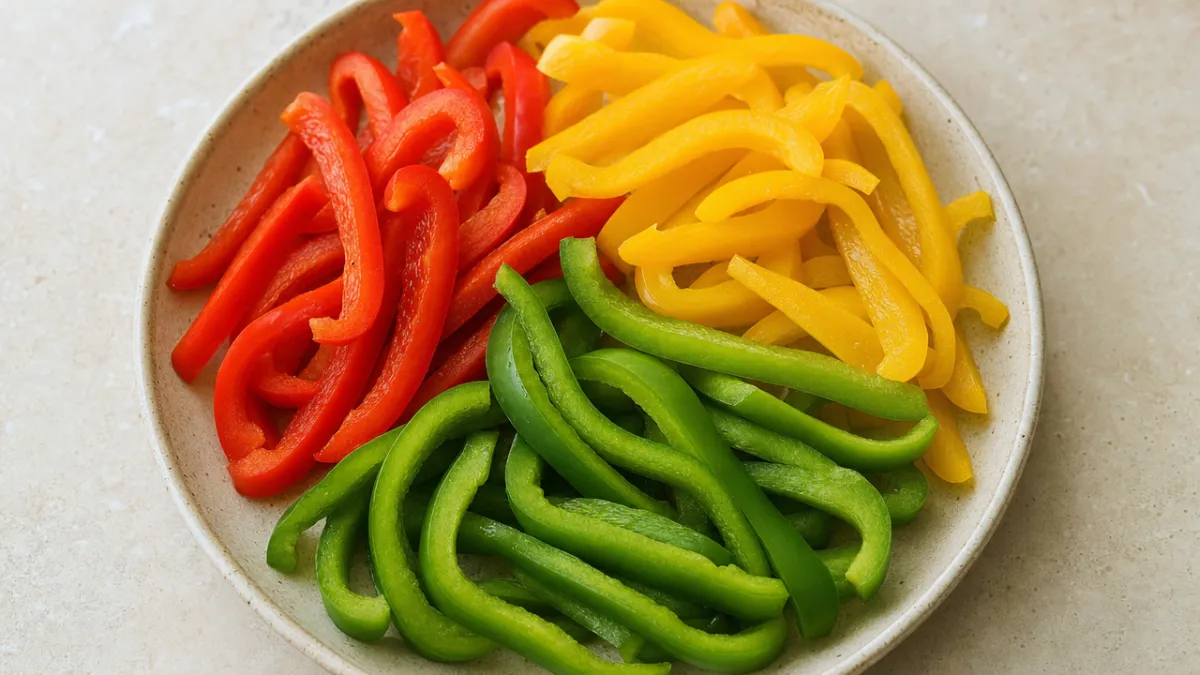
Hummus with plain crackers was one of my flare snacks, a couple of tablespoons at a time, so the surprising thing about this wrap is not the hummus but everything around it. Roasted zucchini and red bell pepper came back into my meals after I noticed that a hot oven takes the fight out of vegetables: twenty-five minutes at high heat softens the flesh and caramelizes the edges, and a pepper that has been roasted is much closer to a cooked vegetable than to a raw one. The tortilla is the same white flour tortilla I relied on when nothing else worked. Baby spinach goes in raw here, a small handful per wrap, which is the one truly raw element, and it is easy to leave out. I roast a full tray of vegetables on Sunday and build wraps through the week, which means lunch takes five minutes and travels well in foil without needing to be reheated. Two wraps from this batch, or four if you roast double.
Why it works for UC
Hummus is a legume food, but the chickpeas are cooked and pureed with oil and tahini, so a moderate portion is easier than whole beans, and a quarter cup per wrap stays on the gentle side of that line. Zucchini roasts soft and is low in fiber to begin with, and roasting bell peppers loosens the skin and breaks down the flesh, which is the difference between a caution vegetable and one I eat every week. Tortillas made from white flour are low-residue. Spinach is raw but in a small amount, and olive oil is limited to a tablespoon across the whole tray of vegetables.
Ingredient pages: Hummus, Tortillas, Zucchini, Bell Peppers, Spinach, Olive Oil
Ingredients
- 1 medium zucchini (about 8 ounces)
- 1 large red bell pepper
- 1 tablespoon extra-virgin olive oil
- 1/2 teaspoon dried oregano
- 1/4 teaspoon salt
- 2 large (10-inch) flour tortillas
- 1/2 cup plain hummus
- 1 cup baby spinach
- 1 teaspoon fresh lemon juice
- 2 tablespoons crumbled feta (optional)
Method
- 1Turn the oven to 425 F and line a rimmed baking sheet with parchment paper. Trim the zucchini and cut it into 1/2-inch half moons. Halve the pepper, remove the seeds and pith, and slice it into 1/2-inch strips.
- 2Toss the vegetables on the pan with the olive oil, oregano and salt and spread them out so nothing overlaps. Roast for 20 to 25 minutes, turning once halfway, until the zucchini is tender and the pepper edges are browned and slumped.
- 3Let the vegetables cool for at least 5 minutes so they do not steam the tortilla soggy. If any pepper skins have blistered loose, peel them off with your fingers; they slide right off after roasting.
- 4Warm each tortilla in a dry skillet over medium heat for 20 to 30 seconds per side so it is pliable. Spread 1/4 cup of hummus over each, leaving a 1-inch border, and squeeze a little lemon juice over the hummus.
- 5Lay half the spinach down the center of each tortilla, top with half the roasted vegetables and the feta if using. Fold in the two sides, then roll from the bottom up as tightly as you can, tucking as you go.
- 6For a lunch box, wrap tightly in foil or parchment and cut in half through the wrapper. For eating now, press the seam side down in the warm skillet for 1 to 2 minutes until it is sealed and lightly toasted.
Tips and swaps
- Flare version: two tablespoons of hummus spread thin on a warm tortilla with peeled zucchini roasted until very soft. Leave out the pepper, spinach and feta. It is not exciting but it is real food with protein.
- Roasted vegetables keep 4 days in the fridge, so double the tray. Cold roasted pepper and zucchini straight from the fridge are fine in the wrap; you do not need to reheat them.
- If hummus tends to give you gas, cut it to two tablespoons and add a few slices of avocado for creaminess instead. The chickpea portion is usually what decides it.
- A whole wheat tortilla is a reasonable remission swap once whole grains are back in your diet. I still use white flour because the roasted vegetables are already the new element.
What a serving gives you
Each wrap gives you around 12 grams of protein from the hummus, feta and tortilla, and roughly 7 grams of fiber, most of it from the roasted vegetables and the chickpeas in the hummus. That fiber count is on the higher side for my recipes, which is why the hummus is measured and the spinach is a small handful. Roasted red pepper also brings a lot of vitamin C. Fat is about 15 grams, from the hummus and olive oil, in a form that has not been fried.
Questions about this recipe
Can I add raw vegetables like cucumber or carrot for crunch?
In remission, a few thin ribbons of peeled cucumber or shaved carrot are a reasonable addition, and shaving them thin with a vegetable peeler is the trick that keeps them manageable. I would add one new raw thing at a time rather than turning the wrap into a salad. Raw carrot in particular I keep thin and small. Roasting is what makes this wrap gentle, and every raw addition moves it a little further from that.
Which hummus should I buy, or should I make it?
Plain is best. Many store hummus flavors lean on garlic, roasted garlic or chili, which are the additions I avoid, so read the ingredient list and pick one where garlic is low on the list or absent. Some brands also sell a low-FODMAP version made without garlic. Homemade lets you skip the garlic entirely and use garlic-infused oil for the flavor, and canned chickpeas blended very smooth with tahini, lemon and salt take five minutes.