Can I eat hummus with ulcerative colitis?
By Jude Horak, UC patient. Sources checked 2026-08-12.
Also searched as: chickpea dip.
Have Crohn's instead? Jump to the Crohn's notes
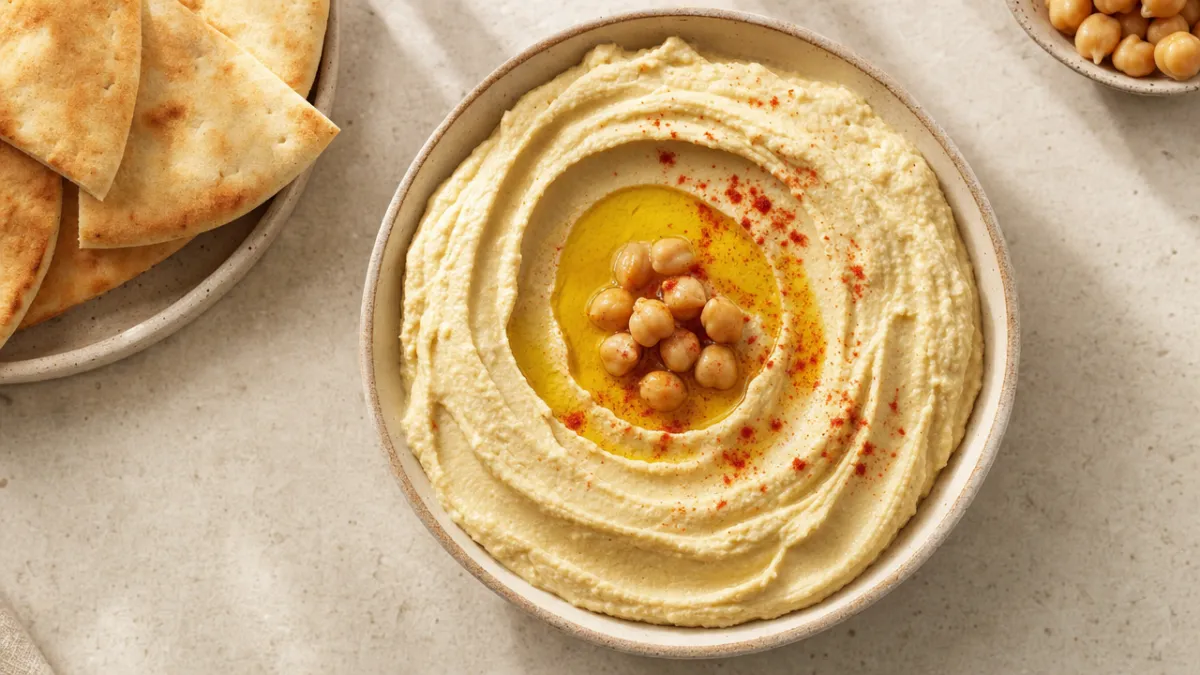
Hummus is blended chickpeas, which softens the texture compared to whole beans, and its smooth consistency is one reason it's specifically named as a nutrient-dense, energy-boosting snack option (hummus and crackers) during an IBD flare. Chickpeas are still a legume containing GOS carbohydrates that can cause gas or bloating for some people in larger amounts.
During a flare
A small serving of hummus with crackers is specifically suggested as an easy way to add protein and calories during a flare, though very large portions may still cause gas for GOS-sensitive people.
In remission
Hummus is generally well tolerated in remission; if chickpeas are a personal trigger, portion size is usually the deciding factor.
What the research says about hummus and UC
Hummus is an unusual legume food in IBD guidance because it gets a direct, positive mention. The Crohn's & Colitis Foundation lists hummus and crackers among its nutrient-dense, energy-boosting snack ideas for a flare, alongside items like smooth nut butter and eggs. Monash University FODMAP fills in the caution: chickpeas contain galacto-oligosaccharides (GOS), fermentable sugars that colonic bacteria turn into gas, and Monash's testing finds canned chickpeas low FODMAP only at small portions, with larger servings crossing into the high range. Store-bought hummus tests high FODMAP at a standard serving in Monash's data, partly from the chickpeas and partly from added garlic.
Neither source has tested hummus in ulcerative colitis, and the two pieces of evidence pull in different directions. The Foundation's snack suggestion is practical dietitian guidance about calories and protein during a flare, not a tolerance study. Monash's numbers come from irritable bowel syndrome research on gas and bloating, which overlaps with UC symptoms but is not the same disease. The sensible reading is that hummus is a flare-appropriate food for people who are not GOS sensitive, and a small-portion food for those who are. Ingredients matter as much as the chickpeas. Raw garlic, which most commercial hummus contains, is a high FODMAP fructan source in its own right, tahini adds fat, and lemon and olive oil are generally benign. A garlic-free or homemade version removes one of the two main variables.
If you have Crohn's instead of UC
I have UC, not Crohn's, so this part is research rather than experience.
Hummus is one of the easier ways to eat legumes with a Crohn's stricture, a point the UC guidance has no need to make. Whole chickpeas have firm skins, while hummus has already been blended to a paste, and the AGA's 2024 practice update notes that people with symptomatic strictures may manage plant foods better when they are processed to a soft consistency. Tahini, the other main ingredient, is ground sesame seed, and Cleveland Clinic says ground versions of nuts and seeds may be better tolerated than whole ones.
The risk with hummus for Crohn's usually sits on top of it. Whole chickpeas spooned into the center, pine nuts, and sprinkled seeds bring back exactly the intact pieces the blending removed. A plain, smooth bowl keeps the texture advantage, while the gas question from chickpea sugars stays as described above.
Based on: American Gastroenterological Association (AGA); Cleveland Clinic; Crohn's & Colitis UK. More on how Crohn's and UC diets differ.
Ways to make it gentler
- Stick to smaller portions if legumes tend to cause gas
How I handle hummus
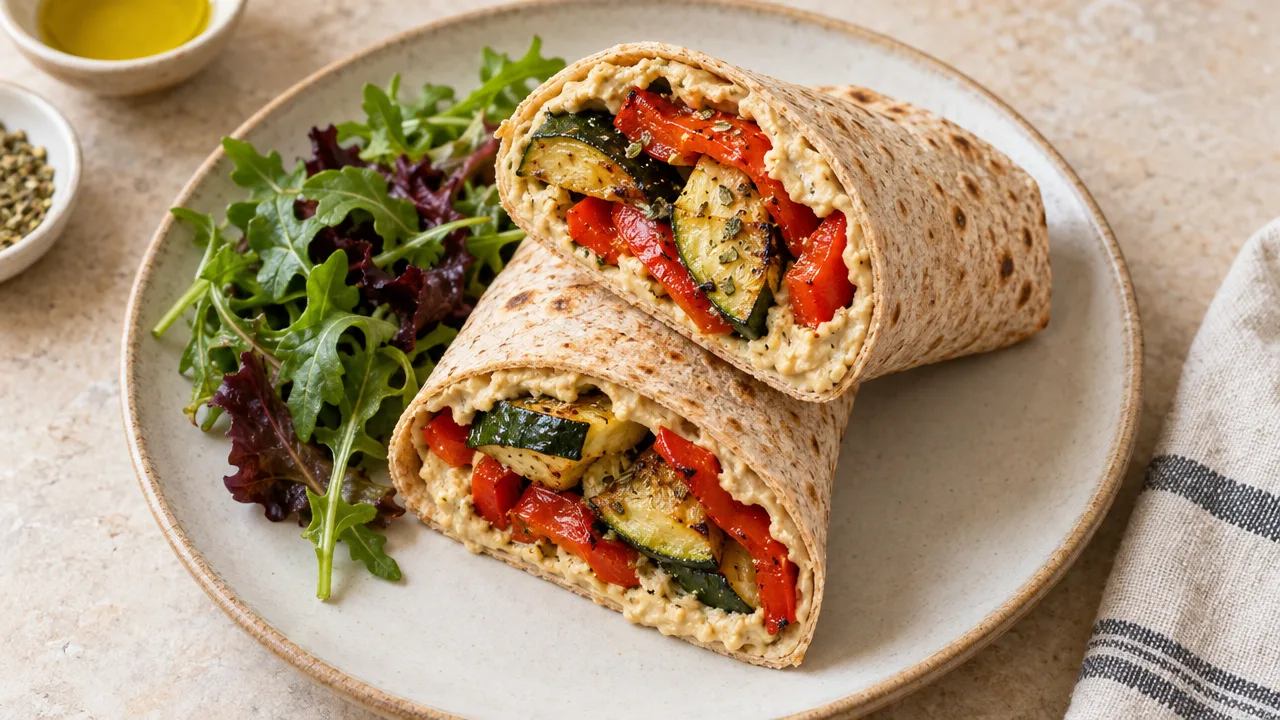
Hummus is a snack I keep around in remission and a food I ration during a flare, mostly because of the garlic rather than the chickpeas. The store brands I like all contain raw garlic, and I have noticed that a garlic-heavy tub and a plain one do not sit the same way for me. So during a flare I either make a small batch at home, using canned chickpeas rinsed well, tahini, lemon, salt, and garlic-infused oil, or I buy the plainest tub I can find and eat two tablespoons with rice crackers or soft pita. That is enough to add calories and protein to an afternoon when I am not eating well. In remission I eat it freely with vegetables and as a sandwich spread instead of deli meat. Flavored versions with roasted red pepper or jalapeno are remission treats because the extras are separate tests.
How much, and how to test it
Two tablespoons of plain hummus on rice crackers, soft white pita, or a slice of white toast is a reasonable first serving, with a garlic-free or homemade version preferred if you know garlic bothers you. Watch for gas, bloating, and any cramping over the following 24 to 48 hours, since fermentation-related symptoms usually show up in that window. If nothing shifts, move to a quarter cup, then try a standard garlic-containing brand, then add raw vegetables for dipping in remission. Bloating that returns at the same portion each time means holding at two tablespoons rather than pushing on.
What you get from hummus
Two tablespoons of hummus provide about two to three grams of protein, five to six grams of fat mostly from tahini and olive oil, and small amounts of iron, folate, and fiber. It is not a large protein source, but it is calorie dense for its volume, which is why patient organizations suggest it as an energy-boosting snack when appetite is low during a flare. Its fat is largely unsaturated, and a serving carries little sodium unless the brand adds a lot of salt.
Why this one shows up on trigger lists
Hummus is flagged for one of the properties that most commonly cause UC symptoms. Each page explains the mechanism and lists every other food that carries it.
Questions people ask about hummus and UC
Does hummus give you gas?
It can, and the reason is chickpeas. They contain GOS, a fermentable sugar that bacteria in the colon break down into gas. Monash FODMAP testing shows the effect scales with portion, so two tablespoons is usually manageable while a half cup is not for sensitive people. Raw garlic in most commercial hummus adds fructans, another fermentable sugar, which is why garlic-free versions tend to be gentler.
Can hummus cause diarrhea or stomach pain with colitis?
For some people, yes, though it is more often bloating and cramping than true diarrhea. Large portions of chickpeas draw water into the gut and ferment in the colon, and raw garlic can add to the effect. The chickpeas are not linked to inflammation in the cited guidance, so this is a symptom issue rather than a disease issue. Smaller portions and a garlic-free recipe are the usual fixes.
Is hummus good for an upset stomach or a flare?
The Crohn's & Colitis Foundation suggests hummus with crackers as a nutrient-dense flare snack, which is unusual for a legume food. Its smooth texture and calorie density make it useful when appetite is poor. The trade-off is gas for anyone sensitive to GOS or garlic. A couple of tablespoons of a plain version is the flare-friendly form; a garlic-heavy tub eaten by the half cup is not.
Does hummus cause inflammation?
There is no evidence in the cited sources that hummus raises inflammation in ulcerative colitis. Chickpeas are a legume, and IBD guidance generally encourages legumes as healthy protein; the olive oil and tahini contribute unsaturated fats. Any discomfort from hummus tends to come from fermentation and gas, which feels bad but is different from inflammation. If hummus reliably worsens symptoms beyond bloating, that is worth discussing with your dietitian.
What can you dip in hummus if you have a Crohn's stricture?
The dipper can matter more than the hummus. Raw carrot, celery, and bell pepper sticks are the classic pairing, but Crohn's & Colitis UK lists vegetable skins and stalks among foods people with a stricture may be told to avoid, and celery in particular is stringy. Soft white pita, plain crackers, or well-cooked peeled carrots are gentler choices. Seeded crackers and whole-grain breads bring back the insoluble fiber that makes whole grains a stricture concern in the same guidance. Chewing each bite slowly helps whichever you pick.
Recipes that use hummus
Sources
- What Should I Eat with Crohn's or Colitis? IBD Diet Guide (Crohn's & Colitis Foundation)
- Including legumes on a low FODMAP diet (Monash University FODMAP)
- Diet and nutritional therapies in patients with IBD (American Gastroenterological Association (AGA))
- A Nutritional Plan for Anyone Living With Crohn's Disease or Ulcerative Colitis (Cleveland Clinic)
- Food and Crohn's or Colitis (Crohn's & Colitis UK)
Written by Jude Horak, a UC patient. Sources last checked 2026-08-12. Spotted an error? Tell me.