Can I eat spinach with ulcerative colitis?
By Jude Horak, UC patient. Sources checked 2026-08-12.
Have Crohn's instead? Jump to the Crohn's notes
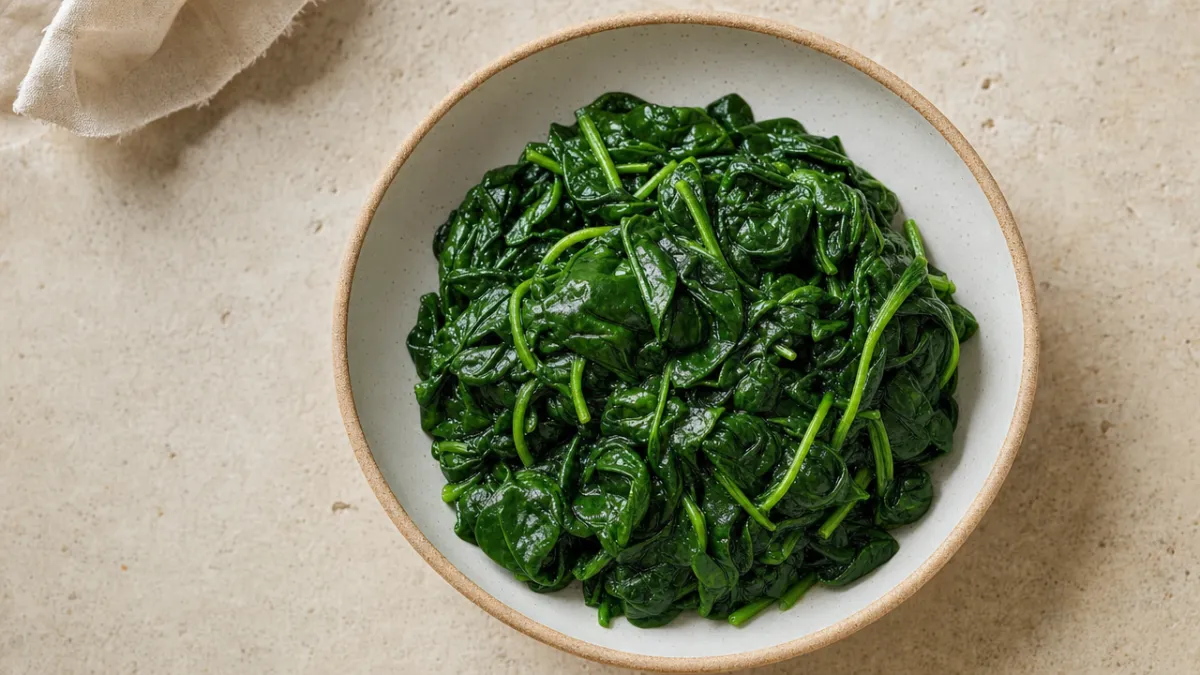
Cooked, small-portion spinach (baby spinach) is low FODMAP per Monash FODMAP testing, but a patient-facing American Gastroenterological Association fiber guide lists spinach among the more challenging vegetables to introduce until symptoms are more stable.
During a flare
If trying spinach during a flare, use small amounts of well-cooked spinach rather than raw salad greens.
In remission
Cooked or raw baby spinach is usually well tolerated as symptoms stabilize.
What the research says about spinach and UC
Spinach is a case where two credible sources pull in slightly different directions, and both deserve a hearing. Monash FODMAP's blog on eating more vegetables on a low FODMAP diet includes baby spinach among low FODMAP options, with its testing showing that a standard serving carries little fermentable carbohydrate; Monash's serving guidance is worth checking for very large portions, since FODMAP content in most vegetables rises with quantity. The American Gastroenterological Association's patient guide on fiber in IBD, on the other hand, lists spinach among vegetables that can be more challenging to introduce until symptoms are stable, grouping it with other leafy and skin-on choices rather than with gentle soluble-fiber foods like zucchini or peeled potato.
The two are not really in conflict. Monash is measuring fermentable sugars in IBS research, and by that yardstick spinach is fine. The AGA is talking about fiber texture and volume in IBD, and by that yardstick a raw spinach salad is a lot of leaf. Neither source ran a spinach study in ulcerative colitis. Taken together, they support a caution rating during a flare that resolves mostly through cooking: a small amount of wilted spinach collapses to a spoonful of soft green, which addresses the AGA concern while staying well within the Monash serving guidance.
If you have Crohn's instead of UC
I have UC, not Crohn's, so this part is research rather than experience.
For most people with Crohn's, spinach follows the same cooked-versus-raw advice as the rest of this page. The exception is small-bowel Crohn's that interferes with fat absorption, especially after part of the ileum has been removed, because spinach is a well-known high-oxalate food. A 2024 study in Nutrients lays out the chain: unabsorbed fat binds calcium in the gut, which leaves more oxalate free to be absorbed, and fatty acids and bile salts also make the colon more permeable to it. Among 27 Crohn's patients, those with a history of kidney stones absorbed more oxalate, and longer ileal resections went with higher absorption.
Cleveland Clinic's hyperoxaluria page includes spinach among the high-oxalate foods it suggests avoiding with this condition. If you have had ileal surgery or a kidney stone, a daily spinach habit, such as large green smoothies, is worth raising with your care team.
Based on: National Institutes of Health (PMC), from Nutrients 2024; Cleveland Clinic; Crohn's & Colitis UK. More on how Crohn's and UC diets differ.
Ways to make it gentler
- cook (sauteed, steamed, blended into soup) rather than eating raw during a flare
- start with small portions
Safer swaps
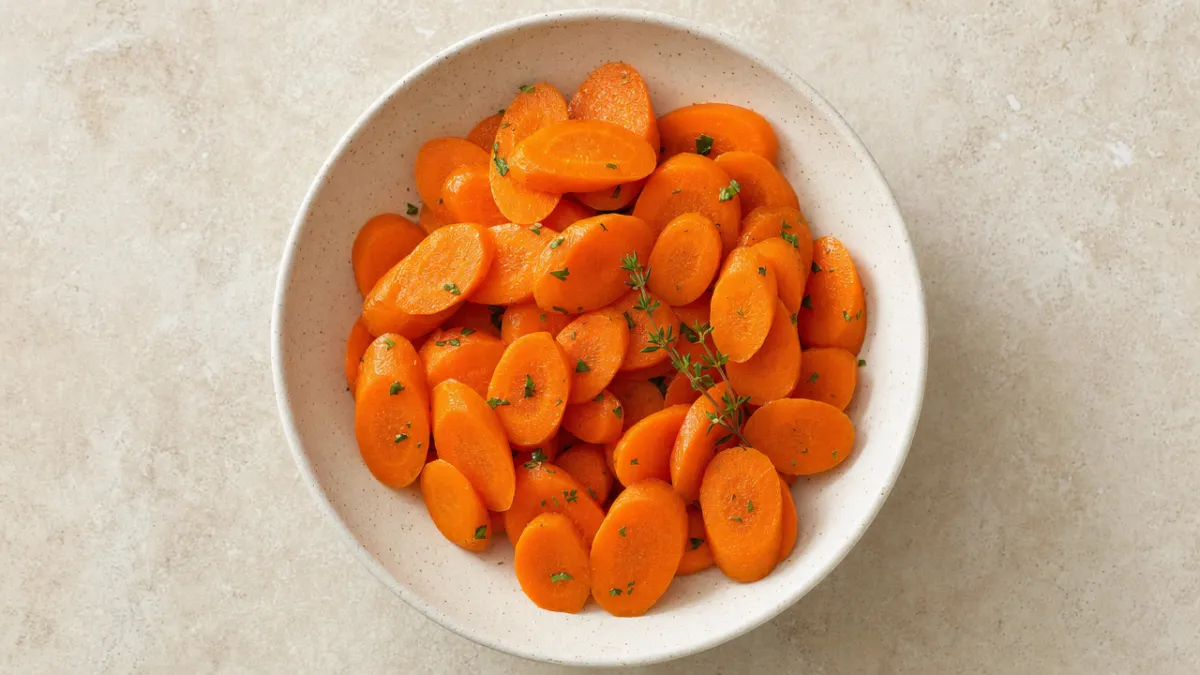
- cooked zucchini
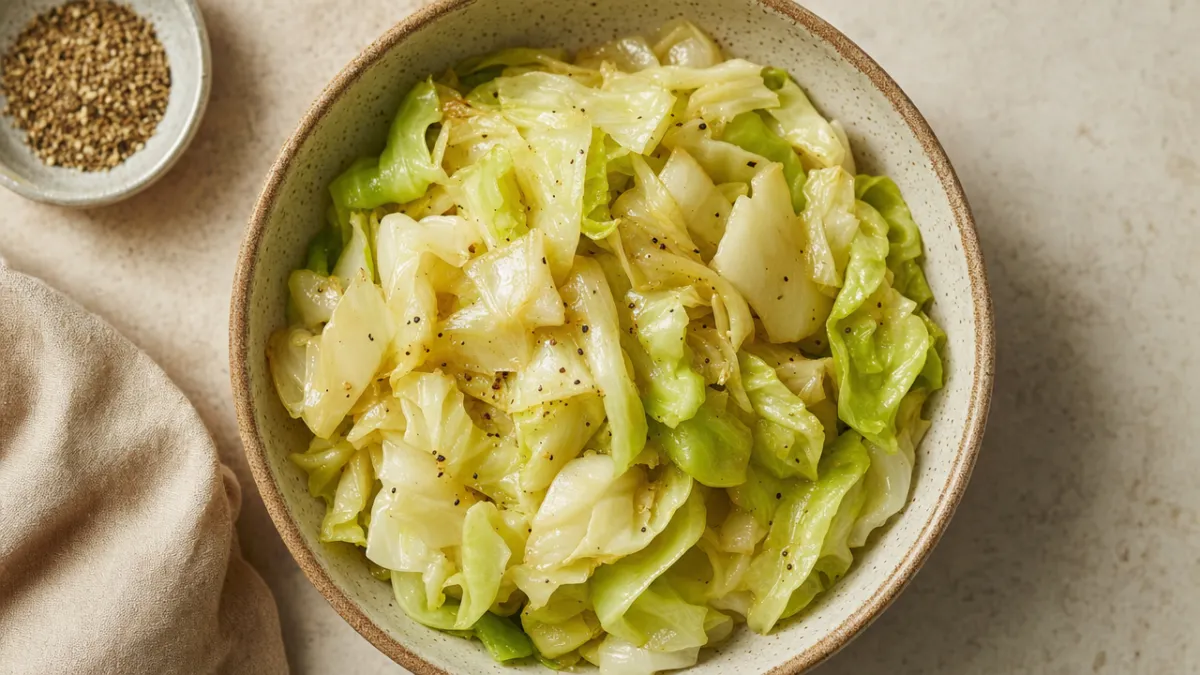
- cooked carrots
How I handle spinach
Spinach is the leafy green I actually eat during a flare, in a very particular form: a handful of baby spinach wilted into eggs, soup, or rice until it disappears. Cooked that way it has almost no texture and I have not had reason to distrust it. Raw spinach salad, the kind with a mound of leaves, I save for remission, and even then I chop it rather than eating whole leaves. Frozen chopped spinach, squeezed dry, is genuinely useful for me because it is already cooked and already fine-textured. Creamed spinach is the version I am careful with, since the cream, butter, and often onion or garlic are the more likely problems. Spinach smoothies I hold to a small handful of baby leaves in a base I already tolerate, because it is easy to overdo the raw amount without noticing.
How much, and how to test it
Start with about half a cup of raw baby spinach, which wilts down to a couple of tablespoons cooked, stirred into a dish you already tolerate. Over the following 24 to 48 hours, note any cramping, gas, or change in stool. Cooked spinach usually clears quickly, so the next steps are a full cup cooked, then a small raw baby spinach salad in remission, then larger raw portions or mature spinach. If raw leaves bring back symptoms, cooked spinach is often still fine, so hold there.
What you get from spinach
Spinach is well known for iron and folate, both relevant when anemia is a concern with UC, though its plant iron is absorbed less well than iron from meat and its oxalates reduce that further. It is also very high in vitamin K, high in vitamin A, and a source of potassium and magnesium, all for around 23 calories per 100 grams. Cooking a large amount down to a small portion concentrates those nutrients into a few gentle bites.
Why this one shows up on trigger lists
Spinach is flagged for one of the properties that most commonly cause UC symptoms. Each page explains the mechanism and lists every other food that carries it.
Questions people ask about spinach and UC
Is spinach low FODMAP?
Baby spinach is low FODMAP according to Monash FODMAP testing at a standard serving, roughly a cup and a half raw, and it appears in Monash's own low FODMAP vegetable suggestions. Monash notes that most vegetables have a serving size beyond which FODMAP content rises, so a very large raw portion is worth checking against their app, but the amounts used in cooking are comfortably in the low FODMAP range.
Is spinach good for IBS or UC?
Those are different conditions, but the practical advice overlaps. For IBS, spinach's low FODMAP status makes it one of the safer greens. For UC, the extra consideration is raw fiber volume during a flare, which is why the AGA's fiber guide lists spinach as a later vegetable. Cooked spinach in small portions tends to suit both, while large raw salads are where people with either condition more often report trouble.
Is cooked spinach easier to digest than raw?
Yes, for most people. Heat collapses the leaf structure and softens the insoluble fiber, so a cup of raw leaves becomes a couple of tablespoons of very soft green that passes through with little mechanical effort. Cooking also reduces oxalate content somewhat. Raw spinach is not high FODMAP, so the difference is texture and volume rather than fermentation, which is exactly what matters most during active UC symptoms.
Does spinach help with anemia in ulcerative colitis?
Spinach contains iron, but it is the non-heme form and spinach's own oxalates bind some of it, so the amount your body absorbs from a serving is small compared with red meat or fortified foods. It contributes, but it is not a fix for the iron loss that comes with bleeding and inflammation. Anemia in UC is something to discuss with your gastroenterologist, who can check levels and advise properly.
Does spinach raise kidney stone risk with Crohn's disease?
It depends largely on where the Crohn's is. The oxalate problem is tied to fat malabsorption from small-bowel disease or ileal resection, so it mainly concerns people with ileal Crohn's or past ileal surgery, not typical UC. Crohn's limited to the colon, with a small bowel that absorbs fat normally, usually sits closer to the UC picture. Crohn's & Colitis UK adds that dehydration from diarrhea also feeds into stone formation in Crohn's, so fluid losses belong in the same conversation as spinach.
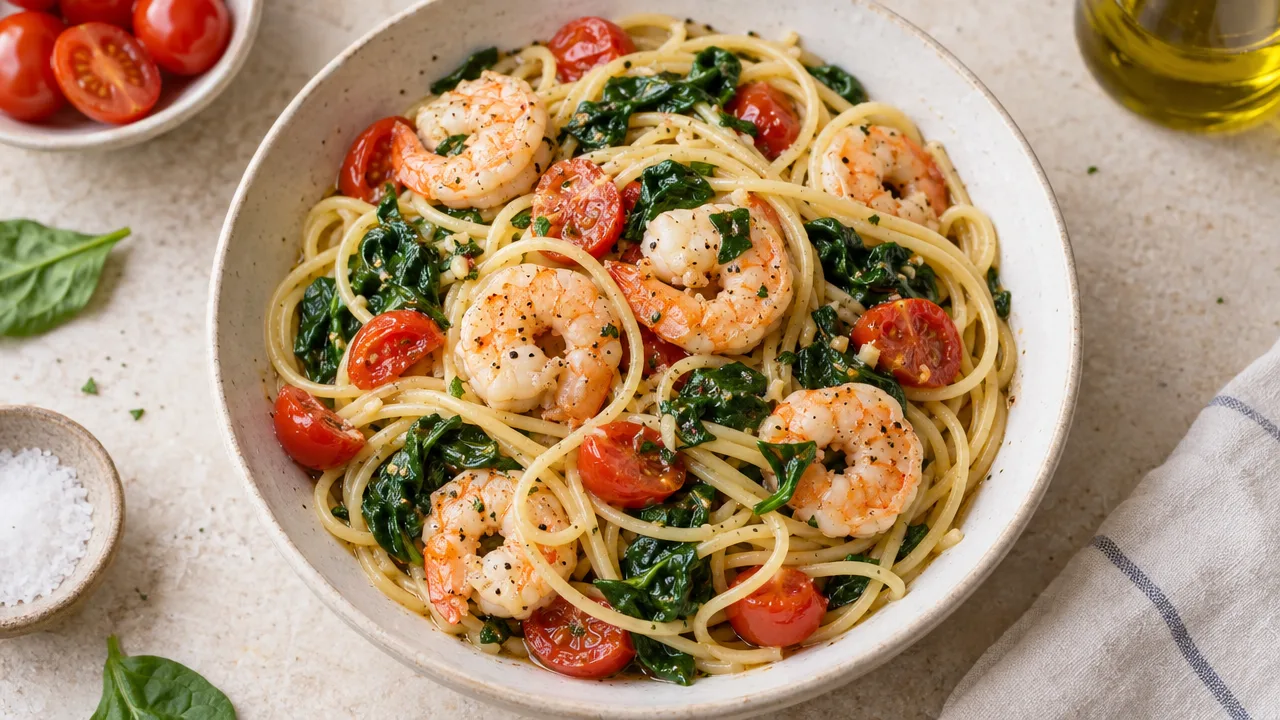
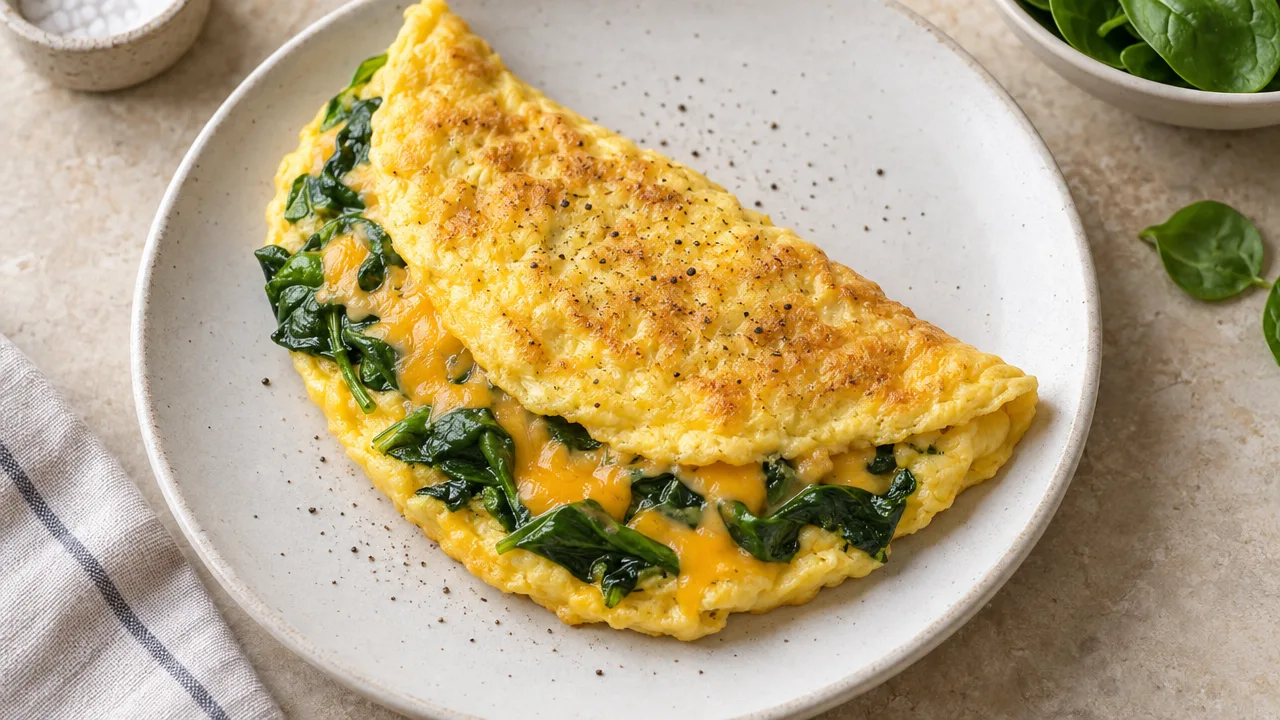
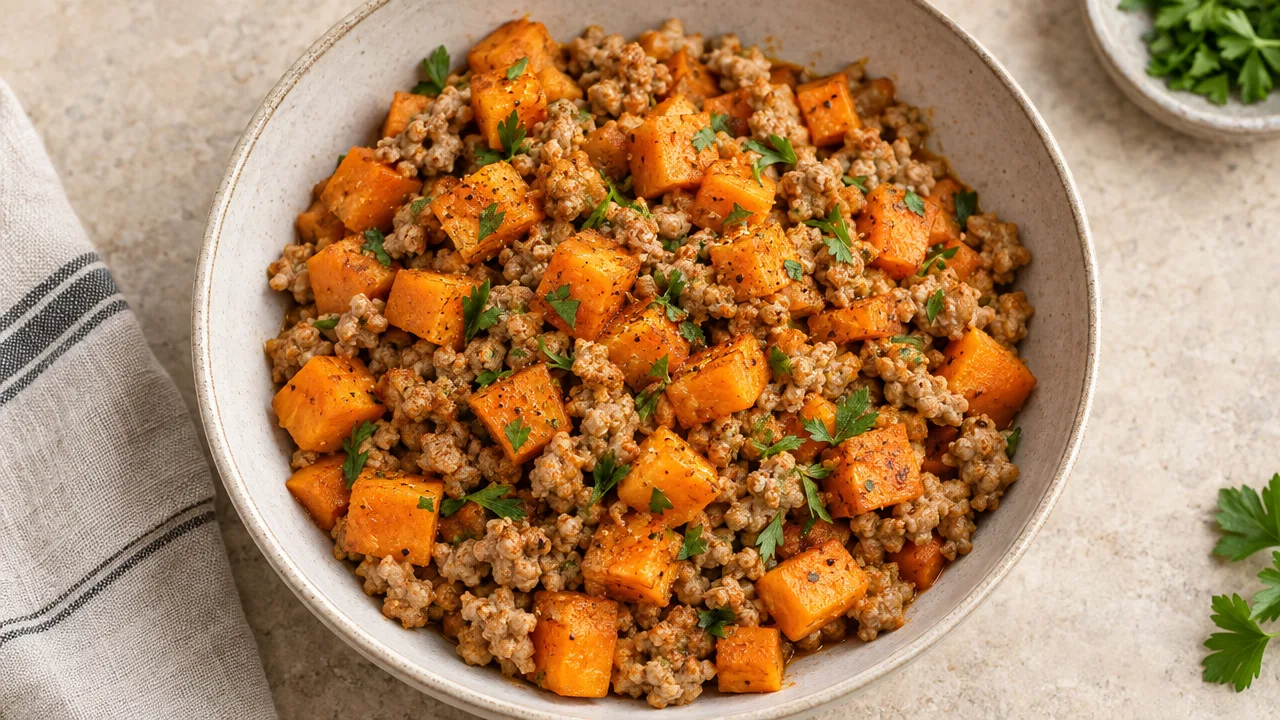
Recipes that use spinach
Sources
- Inflammatory bowel disease (IBD): Role of fiber (American Gastroenterological Association)
- Eating more vegetables on a low FODMAP diet (Monash FODMAP)
- Intestinal Oxalate Absorption, Enteric Hyperoxaluria, and Risk of Urinary Stone Formation in Patients with Crohn's Disease (National Institutes of Health (PMC), from Nutrients 2024)
- Hyperoxaluria (Cleveland Clinic)
- Crohn's Disease (Crohn's & Colitis UK)
Written by Jude Horak, a UC patient. Sources last checked 2026-08-12. Spotted an error? Tell me.