Can I have olive oil with ulcerative colitis?
By Jude Horak, UC patient. Sources checked 2026-08-12.
Also searched as: extra virgin olive oil, EVOO.
Have Crohn's instead? Jump to the Crohn's notes
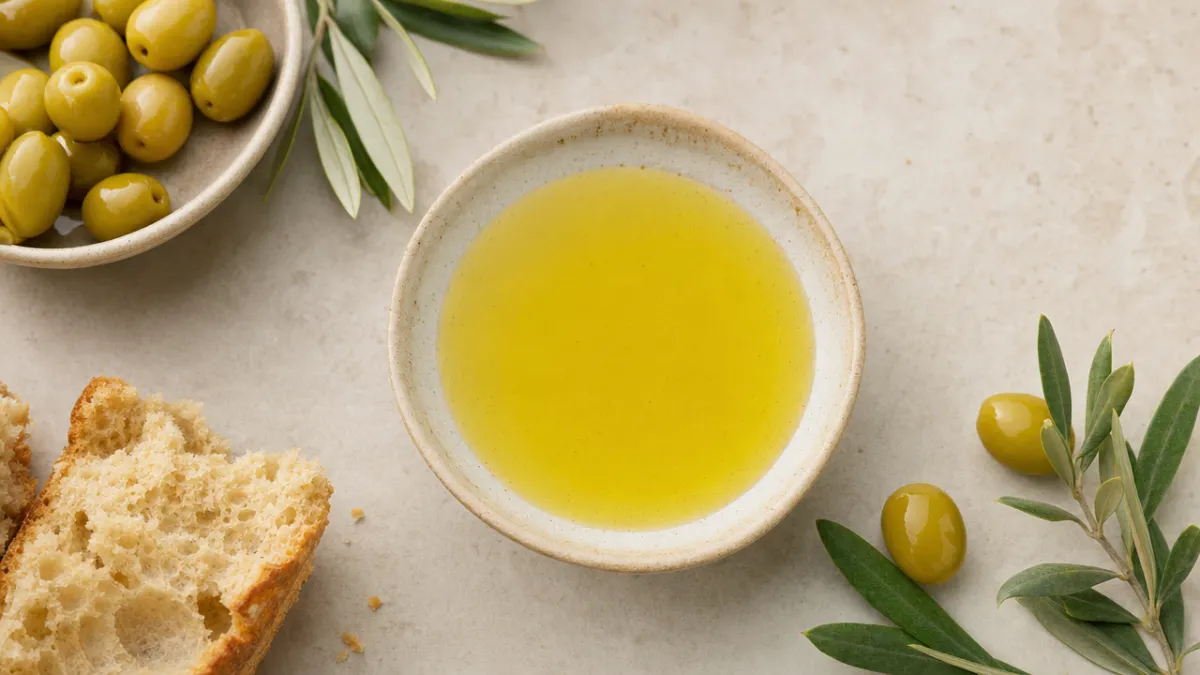
Olive oil, especially extra-virgin olive oil, is rich in monounsaturated fat and polyphenols like hydroxytyrosol and oleuropein, which in lab and animal studies suppress inflammatory signaling pathways (NF-κB, pro-inflammatory cytokines) and support gut-barrier and microbiota health. A small human trial found that extra-virgin olive oil intake reduced inflammatory markers and improved GI symptoms in ulcerative colitis patients, though it's still fat, so very large amounts can add to overall fat load like any oil. Mediterranean-diet patterns built around olive oil are associated with lower inflammatory markers in observational IBD research.
During a flare
As with any fat, using olive oil in moderate cooking amounts is generally reasonable, but very heavy or fried use of any oil can add to fat-related flare symptoms.
In remission
Olive oil is commonly recommended as a preferred cooking fat in Mediterranean-style eating patterns explored for IBD, though actual adherence to Mediterranean-diet olive oil intake has been found to be low even among IBD patients who want to eat better.
What the research says about olive oil and UC
A review in PMC on olive oil and its components in intestinal inflammation gathered laboratory and animal evidence that the polyphenols in extra-virgin olive oil, including hydroxytyrosol and oleuropein, damp down NF-kB signaling and pro-inflammatory cytokines, help preserve the intestinal barrier, and shift gut bacteria in a favorable direction in models of colitis. The same review described a small human study in which people with ulcerative colitis who consumed extra-virgin olive oil showed lower inflammatory markers and improved GI symptoms. That is one of the few positive human signals for any single food on this site, but it was small, and the bulk of the supporting work is still preclinical.
The second source, a PMC study on Mediterranean diet adherence among people with IBD, found that most patients scored low on adherence despite generally positive attitudes toward diet, and that olive oil intake in particular fell short of Mediterranean targets. That paper is about eating patterns rather than olive oil in isolation, and it does not show that more olive oil improved anyone's colitis. Neither source addresses the practical flare-time question of fat load; that concern comes from general IBD guidance that large amounts of any fat can worsen diarrhea, which is why the flare verdict here is caution despite the encouraging mechanistic picture.
If you have Crohn's instead of UC
I have UC, not Crohn's, so this part is research rather than experience.
For Crohn's, olive oil belongs to the one eating pattern that has been tested head to head in adults with the disease, although the oil itself was not studied alone. In the DINE-CD trial, 194 adults with mild to moderate Crohn's symptoms followed either the Specific Carbohydrate Diet or a Mediterranean diet for 12 weeks. Symptomatic remission at week 6 was 46.5% versus 43.5%, not a statistically significant difference, and the authors concluded the Mediterranean diet may be preferred for most patients given its easier adherence and wider health benefits. The AGA's 2024 practice update also advises a Mediterranean diet for people with IBD unless there is a reason not to.
The trial had no usual-diet comparison, so it shows the two diets performed alike, not that either beats ordinary eating. Its practical value is simpler: olive oil is the everyday cooking fat in the pattern both the researchers and the AGA favor.
Based on: National Institutes of Health (PMC), from Gastroenterology 2021 (DINE-CD); American Gastroenterological Association (AGA); Cleveland Clinic. More on how Crohn's and UC diets differ.
Ways to make it gentler
- Use as a finishing oil or in moderate cooking amounts rather than deep-frying
- Choose extra-virgin varieties for higher polyphenol content
How I handle olive oil
Olive oil is the fat I default to in my kitchen and I do not think hard about it in remission: a tablespoon to roast vegetables, a drizzle over rice or soup, a little in a vinaigrette. What changed with UC is how I think about quantity during a flare. Then I go down to a teaspoon here and there rather than a generous pour, and I skip anything that involves a pan full of oil, because it is the amount of fat in one sitting that seems to matter rather than the type. I buy extra-virgin in a dark bottle and keep it away from the stove so it does not go stale, since the polyphenols the research talks about are what degrade first. I do not take it by the spoonful as some people suggest online; I use it as food, on food, and let the Mediterranean-style meals it goes into do the work.
How much, and how to test it
A teaspoon of extra-virgin olive oil drizzled over a plain, tolerated food such as white rice, steamed potato, or blended soup is a sensible first test during recovery. Keep the rest of the meal low in fat. Over the next day, look for the fat signals: greasy or loose stools and cramping a few hours after eating. If that passes, a tablespoon per meal is a normal cooking amount to work toward. Roasting or shallow-frying in olive oil is a bigger dose and a later step. Back off to a teaspoon if any fat-type symptoms appear, and expand again once things are calm.
What you get from olive oil
Olive oil is pure fat, about 120 calories per tablespoon, which makes it one of the easiest ways to add energy when a flare has cut your intake and your weight is slipping. That fat is mostly monounsaturated, and extra-virgin oil adds vitamin E and the polyphenols studied for anti-inflammatory effects. It carries no protein, minerals, or fiber, so it works best as a way to make nutritious foods easier to eat and absorb rather than as a food in itself.
Why this one shows up on trigger lists
Olive Oil is flagged for one of the properties that most commonly cause UC symptoms. Each page explains the mechanism and lists every other food that carries it.
Questions people ask about olive oil and UC
Can I use olive oil during an ulcerative colitis flare?
In moderate amounts, many people do. A teaspoon on rice or a drizzle into soup is a small fat load and is usually tolerated, while a pan full of oil or a heavily dressed dish is a different quantity and more likely to worsen loose stools. The type of fat is less important during a flare than the amount in one sitting. If fat in general is bothering you, keep olive oil to small finishing amounts until things calm.
Is olive oil good for colitis?
There is a modest, encouraging signal. Lab and animal work on olive oil polyphenols shows anti-inflammatory and barrier-protective effects in colitis models, and one small human study in UC found lower inflammatory markers with extra-virgin olive oil. That is far from a treatment and not a replacement for prescribed care, but as the main cooking fat in a Mediterranean-style pattern it is a reasonable choice that many gastroenterologists are comfortable with.
How much olive oil is too much with ulcerative colitis?
There is no studied threshold in UC. In practice, the point where people notice trouble is when a single meal delivers a large fat load, which for olive oil might be several tablespoons in a dressing-heavy salad or a dish shallow-fried in it. A tablespoon per meal spread across the day is a common comfortable range in remission. During a flare, halving that and avoiding oil-heavy cooking methods tends to be the more cautious pattern.
Is extra-virgin better than regular olive oil for colitis?
For the anti-inflammatory compounds, yes. Extra-virgin oil is cold-pressed and keeps most of its polyphenols, while refined or light olive oil has had many of them stripped out in processing and is mostly just monounsaturated fat. Both have the same fat content and calories, so the flare-time question of quantity is identical. Buy extra-virgin in a dark bottle, store it away from heat, and use it within a few months of opening.
Can you use olive oil after Crohn's surgery?
Usually, in measured amounts, though the answer depends on what was removed. Cleveland Clinic explains that bile acids are normally reclaimed in the ileum and that fattier meals prompt more bile release, so after an ileal resection a generous pour of any oil can mean more bile reaching the colon and looser stools. A teaspoon over soup or rice is a small load; a salad swimming in dressing is not. Whether you need a formal low-fat plan is a question for your gastroenterologist or dietitian.
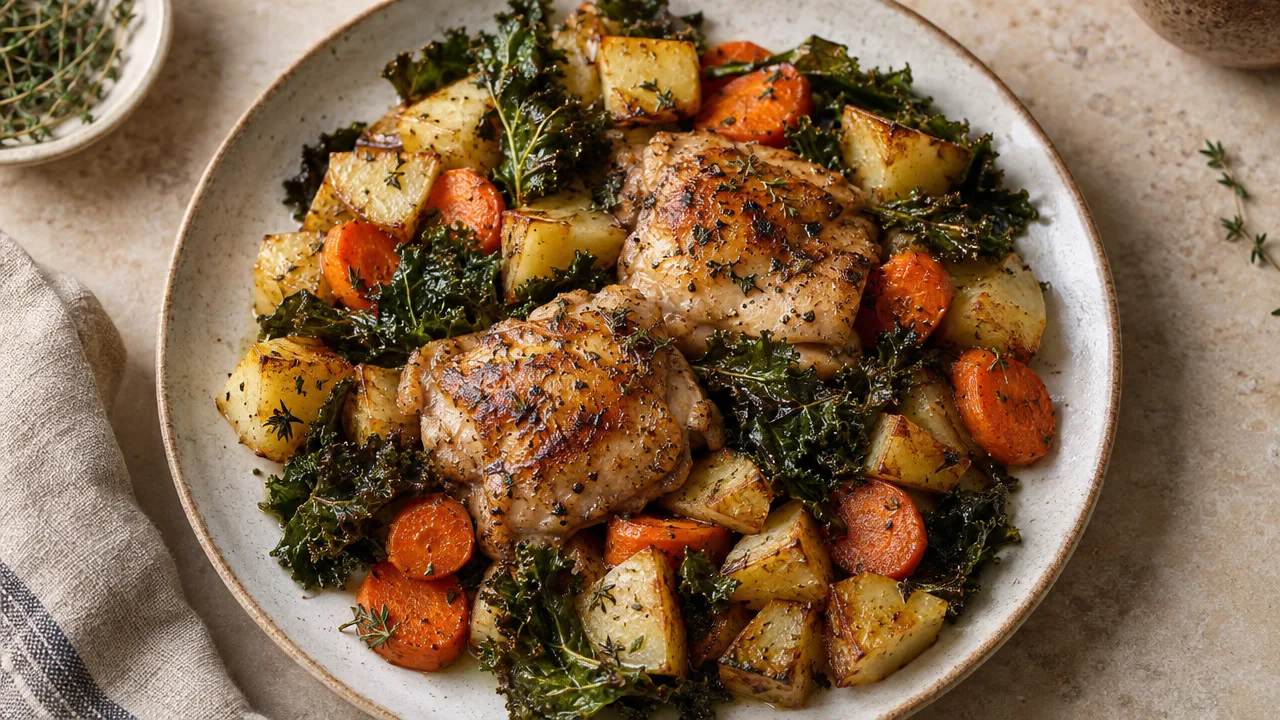
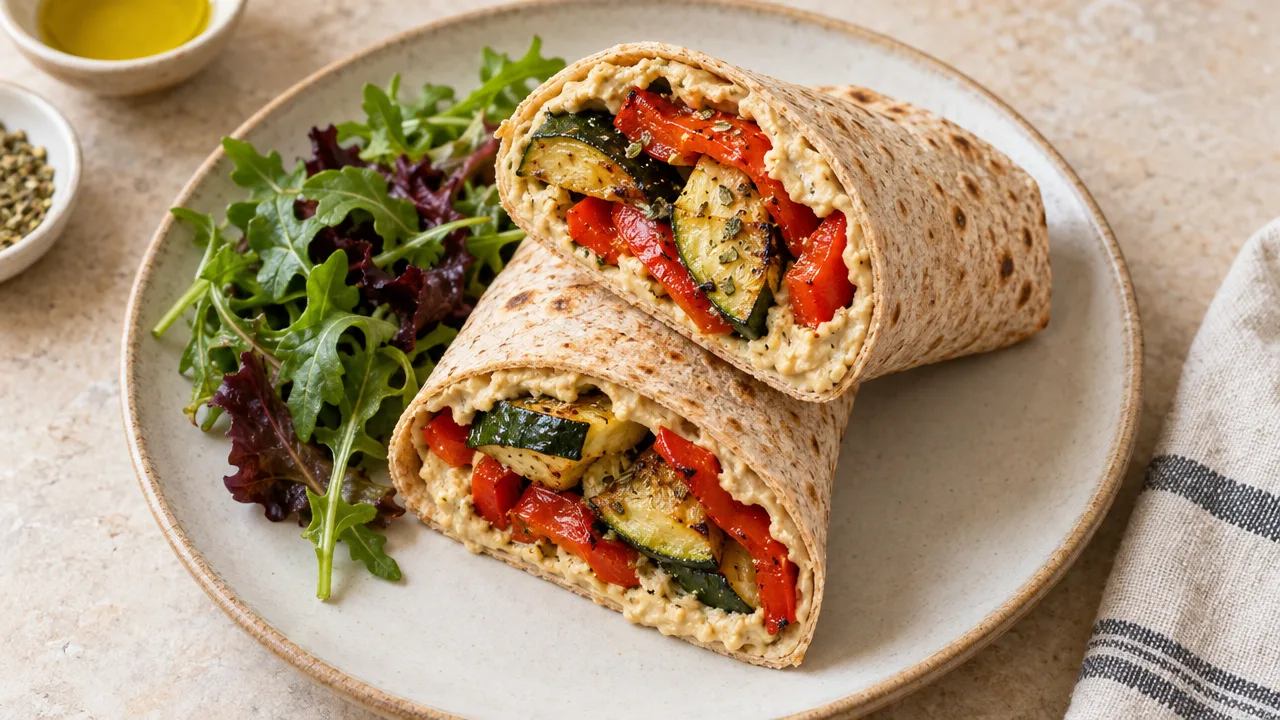
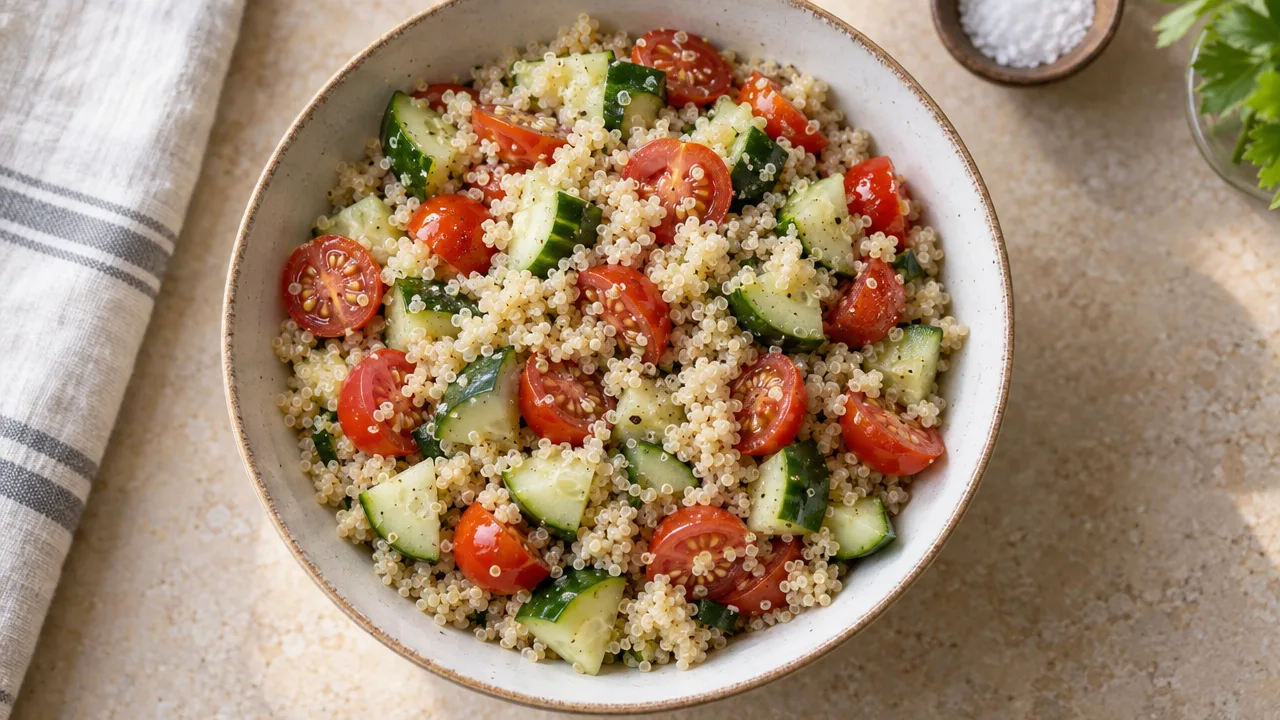
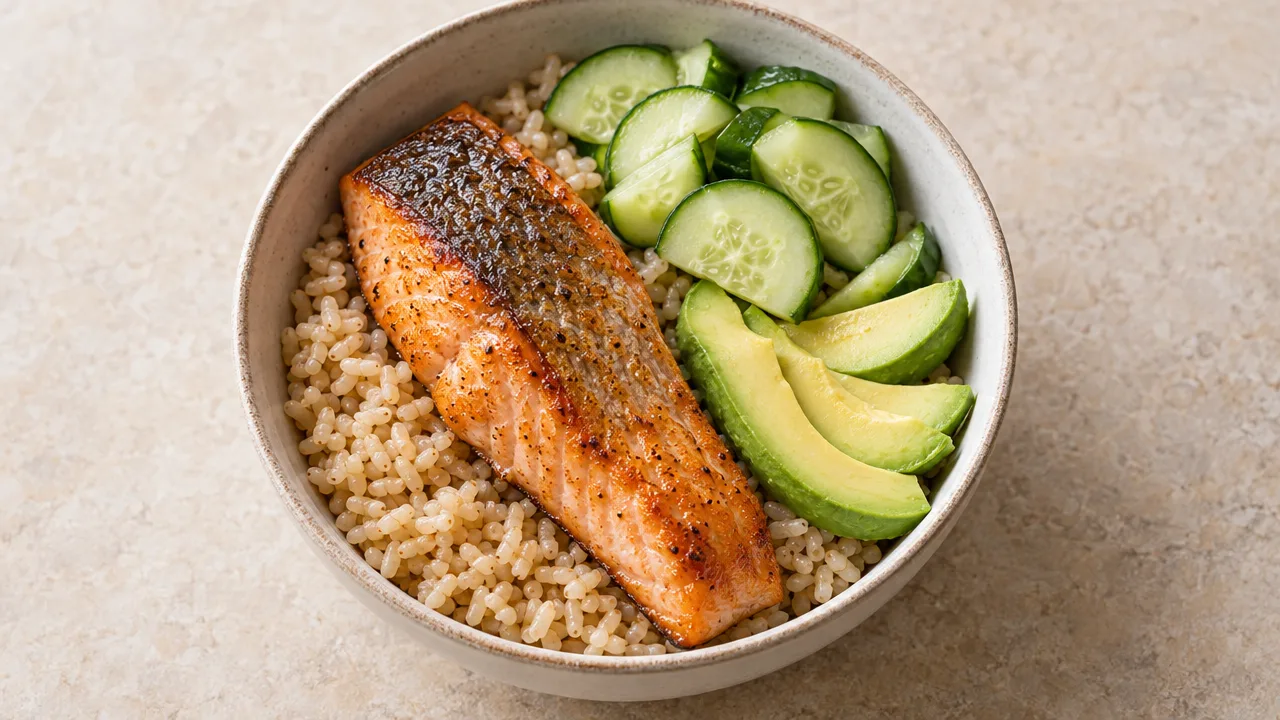
Recipes that use olive oil
Sources
- Effects of Olive Oil and Its Components on Intestinal Inflammation and Inflammatory Bowel Disease (PMC (National Library of Medicine))
- Mediterranean Diet Adherence and Dietary Attitudes in Patients with Inflammatory Bowel Disease (PMC (National Library of Medicine))
- A Randomized Trial Comparing the Specific Carbohydrate Diet to a Mediterranean Diet in Adults with Crohn's Disease (National Institutes of Health (PMC), from Gastroenterology 2021 (DINE-CD))
- Diet and nutritional therapies in patients with IBD (American Gastroenterological Association (AGA))
- Bile Acid Malabsorption (Cleveland Clinic)
Written by Jude Horak, a UC patient. Sources last checked 2026-08-12. Spotted an error? Tell me.
Next steps
Related foods