Can I eat white fish with ulcerative colitis?
By Jude Horak, UC patient. Sources checked 2026-08-12.
Also searched as: tilapia, cod, haddock.
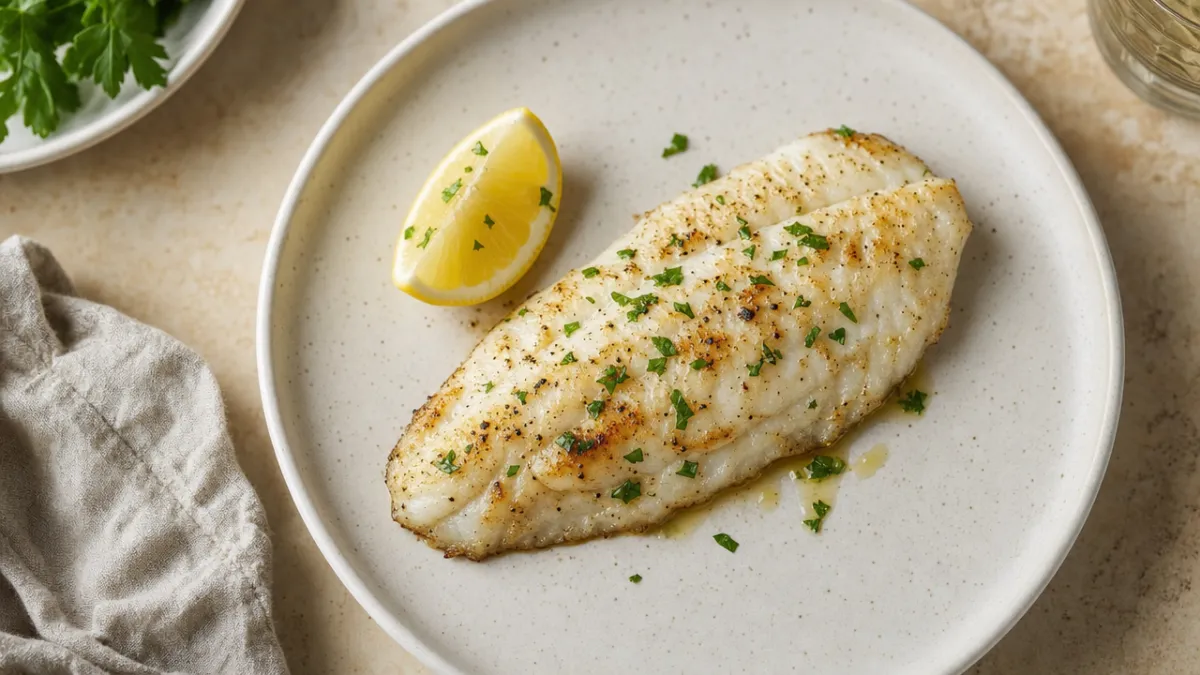
Lean white fish like tilapia is explicitly listed as a protein to include when varying diet away from red meat, and its low fat, low fiber profile makes it one of the gentler protein options during active disease.
During a flare
Baked, poached, or steamed white fish is a well-tolerated flare protein for most people.
In remission
White fish fits easily into a regular, varied diet in remission.
What the research says about white fish and UC
The Crohn's & Colitis Foundation includes white fish such as tilapia in its examples of protein to rotate in when varying the diet away from red meat, and the Gastrointestinal Society (badgut.org) lists fish among the proteins that tend to be easier to digest during a flare. Cod, haddock, tilapia, pollock, and sole share the same profile: very low fat, no fiber, and a flaky texture that breaks apart with minimal chewing. That combination is the reason white fish is often the first animal protein reintroduced after a rough stretch.
The evidence is general rather than food-specific. Neither organization cites a study of cod or tilapia in ulcerative colitis, and the endorsement follows from the broader principle that lean, tender protein is well absorbed when the gut lining is inflamed. One thing the sources do make clear is that cooking method decides whether white fish stays in the gentle category. Battered fish and chips moves it into the high-fat, fried group that both organizations suggest limiting during flares. White fish also has less omega-3 than oily fish, so it does not carry the anti-inflammatory association that salmon does; its value is tolerability, not any special effect on disease activity.
Ways to make it gentler
- Bake, poach, or steam rather than deep-fry
- Avoid heavy breading during a flare
How I handle white fish
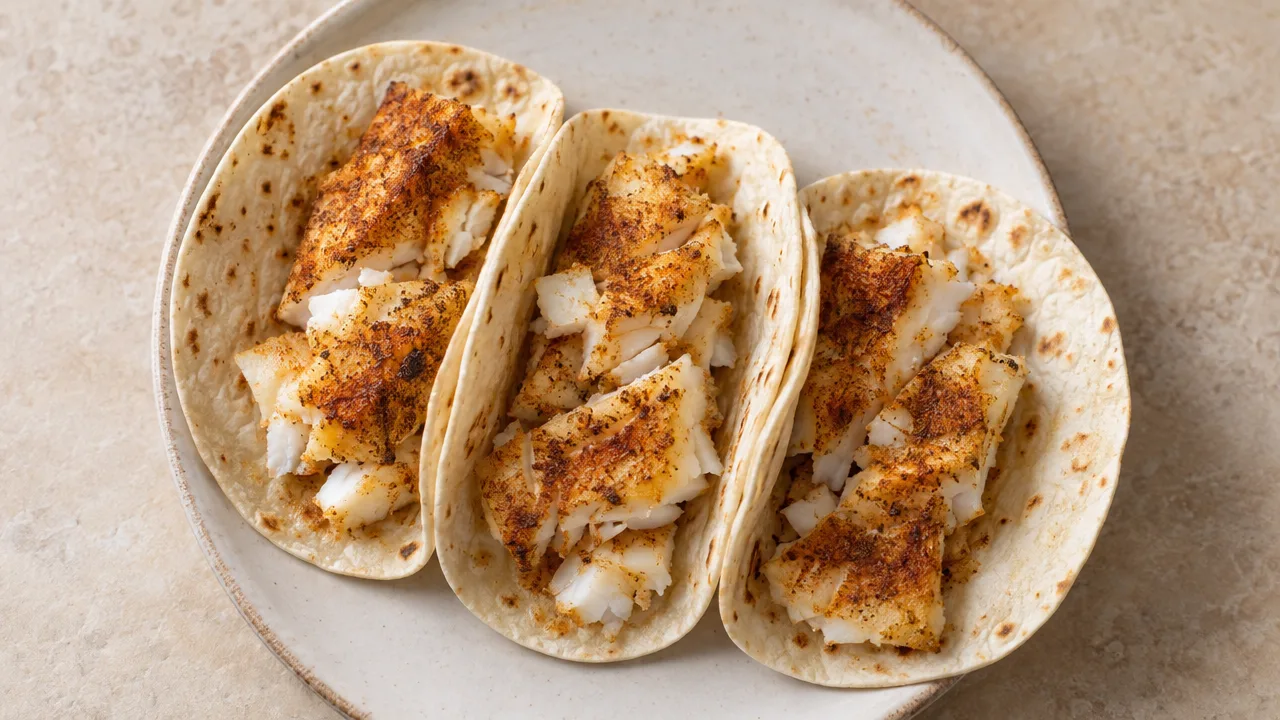
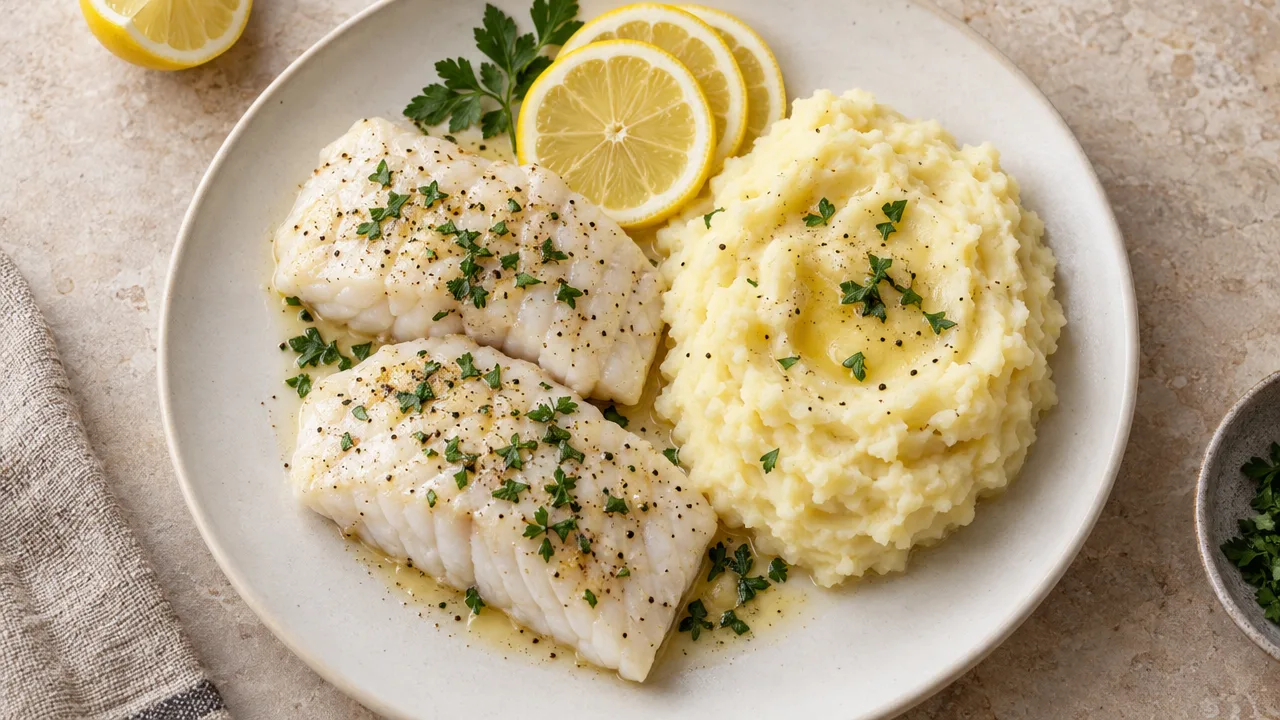
Cod is my go-to when I am rebuilding after a flare and want a real dinner that will not fight back. I bake it in foil with a squeeze of lemon, a pinch of salt, and a little water or stock so it steams, about twelve minutes, and serve it with mashed potato or white rice. Frozen fillets work fine for this and are cheaper. What I have learned is to keep the coating off: even a light dusting of flour fried in oil changes how the meal sits when I am irritable, so breaded or battered fish waits for remission. Tilapia and haddock swap in without any difference I can tell. A fish taco night in remission is a treat I look forward to, with grilled fish, soft tortillas, and a mild sauce. Restaurant fish is fine if I ask for it grilled or baked with the sauce on the side.
How much, and how to test it
Around three to four ounces of baked or poached white fish is a reasonable first portion, seasoned with salt and lemon only, with a plain starch. Over the next day or two, note stool frequency and any cramping; a reaction is unusual, and if one appears, check whether butter, oil, or a sauce came along with the fish. Next, try a larger portion, then a little olive oil or butter in the cooking, then pan-frying without a coating. Breaded and deep-fried fish belongs at the end of the list.
What you get from white fish
A three-ounce cooked portion of cod provides about 19 grams of protein with under one gram of fat, plus selenium, vitamin B12, iodine, and phosphorus. That near-zero fat is the defining feature: it lets someone meet protein needs during a flare without the malabsorption issues fattier foods can bring. The downside is low calorie density, so pairing fish with enough starch and, once tolerated, some added fat helps prevent further weight loss.
Questions people ask about white fish and UC
Is white fish good for ulcerative colitis?
It is among the most tolerable proteins available, especially during a flare. Cod, haddock, tilapia, and similar fish are extremely lean, contain no fiber, and flake into a soft texture when baked or poached. The cited organizations list fish in the lean-protein group they recommend, and the practical experience of many patients matches that. Cooking method matters more than the type of white fish.
Can I eat fish and chips with colitis?
Battered fish deep-fried in oil is a different food from baked cod, and it lands in the fried, high-fat category that guidance asks people to limit while inflamed. In remission an occasional portion is usually manageable, and some people find that peeling off most of the batter helps. Oven-baked breaded fish is a middle step with far less oil.
Which white fish is easiest to digest?
There is no strong reason to prefer one over another. Cod, haddock, pollock, tilapia, and sole are all very low in fat and cook to a similar soft flake. Thinner fillets like sole and tilapia cook faster and can be more tender, while thicker cod holds together better for baking. Choose whatever is fresh, affordable, and simple to prepare gently.
Does white fish have omega-3 like salmon?
Only a small amount. White fish is lean by definition, and most of the omega-3 fat in oily fish comes with that fat content. Cod and haddock contribute a little, but nowhere near what salmon, mackerel, or sardines provide. That is why white fish is recommended for tolerability during flares rather than for any anti-inflammatory effect. Both types of fish have a place in a varied diet.
Recipes that use white fish
Sources
- What Should I Eat with Crohn's or Colitis? IBD Diet Guide (Crohn's & Colitis Foundation)
- Inflammatory Bowel Disease Nutrition Tips (Crohn's Disease and Ulcerative Colitis) (Gastrointestinal Society (badgut.org))
Written by Jude Horak, a UC patient. Sources last checked 2026-08-12. Spotted an error? Tell me.