Can I eat apples with ulcerative colitis?
By Jude Horak, UC patient. Sources checked 2026-08-12.
Also searched as: fresh apple.
Have Crohn's instead? Jump to the Crohn's notes
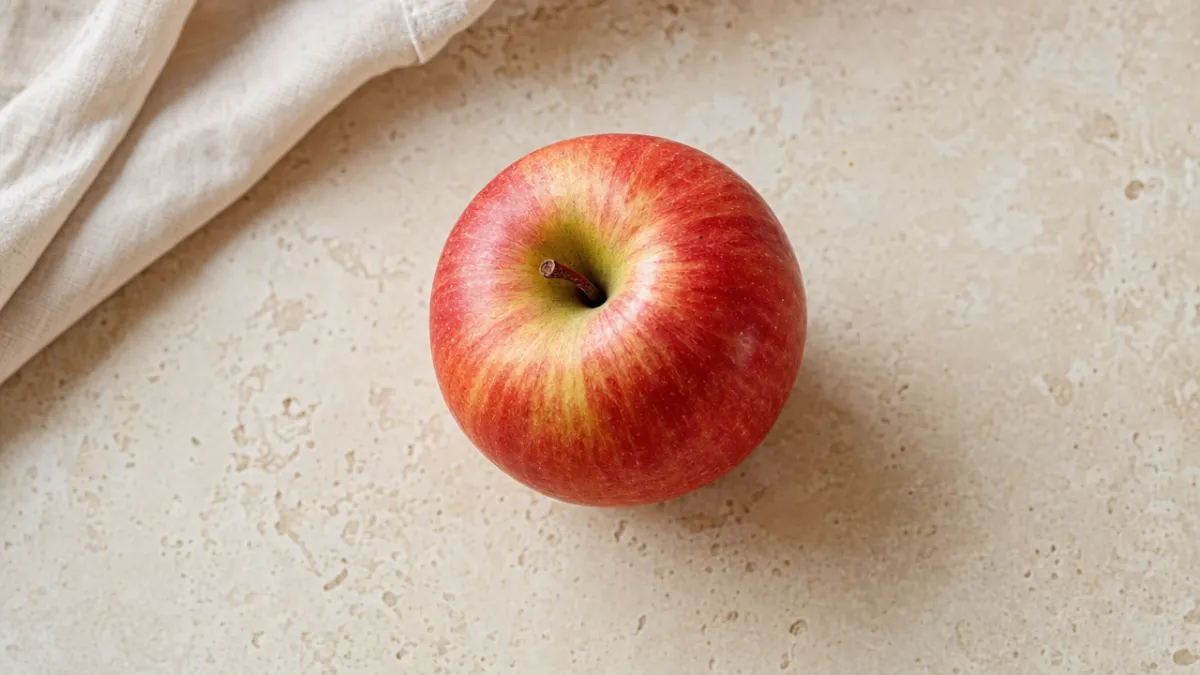
Apple skin is concentrated insoluble fiber, which adds bulk and can speed transit through an already inflamed colon. The fruit is also high in excess fructose and sorbitol, sugars that draw water into the gut and are a commonly reported trigger for loose stools and bloating.
During a flare
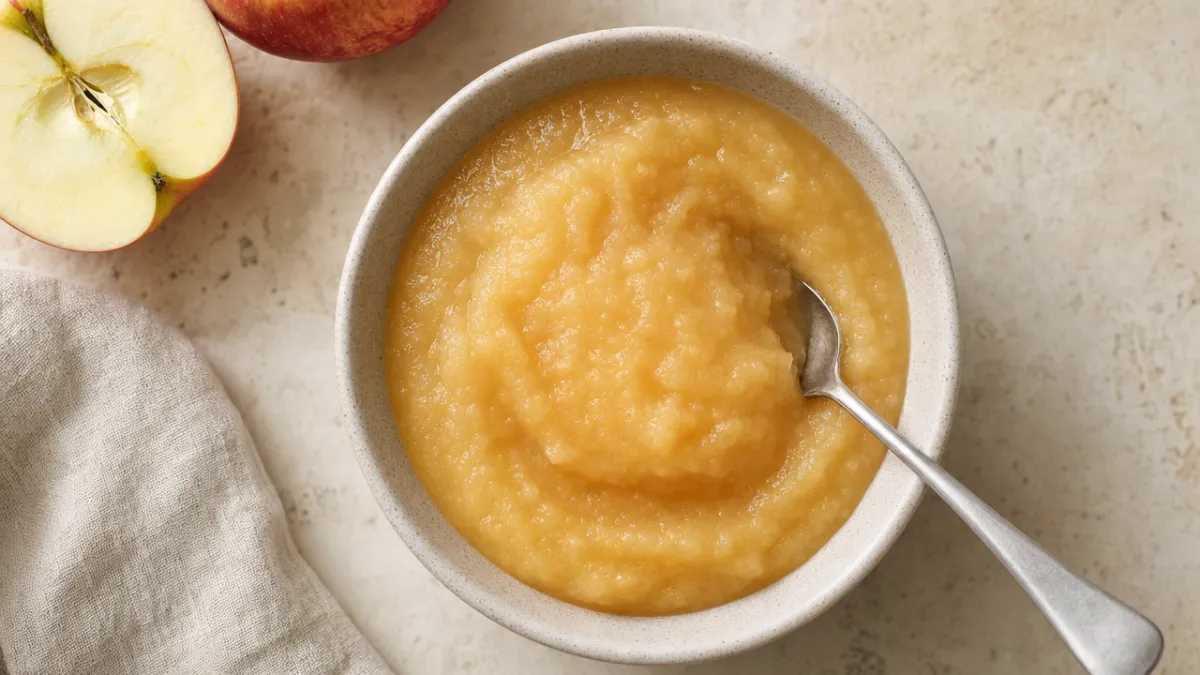
Raw, unpeeled apple is commonly grouped with other high-fiber raw fruits to limit during a flare; peeled and cooked apple (as in applesauce) is much better tolerated.
In remission
Many people reintroduce peeled apple first, then try the skin as tolerance allows; individual sorbitol sensitivity varies.
What the research says about apples and UC
Raw apple is one of the clearer cases in the fruit category, and the two sources point at different mechanisms. The NHS dietary advice leaflet for ulcerative colitis from Milton Keynes University Hospital advises peeling fruit and avoiding skins, pips, and tough parts while symptoms are active, guidance that lands squarely on an unpeeled apple. That is general low-fiber flare advice rather than an apple-specific finding, but apple skin is a concentrated example of exactly what it warns about. The Monash University FODMAP list adds a second layer: apples are rated high in both excess fructose and sorbitol at a normal serving, which places them among the fruits most often linked to gas and loose stools in people with sensitive guts.
The Monash work was developed for irritable bowel syndrome, not UC, and it is worth being honest that its relevance here comes by extension. Many people with colitis do report IBS-like symptoms during and between flares, and fermentable sugars that pull water into the bowel are a plausible aggravator when the colon is already irritated. Neither source offers a study that tracked UC patients eating apples. What they offer is a two-part explanation, skin fiber plus fermentable sugar, that lines up with how often apples appear on patient trigger lists. Peeling removes the first problem; cooking softens what remains; the sugar stays regardless.
If you have Crohn's instead of UC
I have UC, not Crohn's, so this part is research rather than experience.
With Crohn's, whether apples need changing depends mostly on whether you have a stricture, and the skin is the part in question. Crohn's & Colitis UK lists the skins, seeds and stalks of fruit among foods that people with a narrowing may be advised to avoid because they could block the gut. Raw apple peel is tough and papery, and even well-chewed pieces tend to hold their shape rather than soften.
Peeled, cooked apple behaves very differently. Advice from the American Gastroenterological Association, in its 2024 clinical practice update, is that cooking produce until soft and chewing carefully can help people with symptomatic strictures eat a wider range of plant foods. Stewed peeled apple or applesauce fits that description well. If no one has told you whether your Crohn's has caused a narrowing, that is a fair question for your gastroenterologist before dropping apples.
Based on: Crohn's & Colitis UK; American Gastroenterological Association (AGA); National Institutes of Health (PMC), from Gut 1985. More on how Crohn's and UC diets differ.
Ways to make it gentler
- Peel before eating
- Cook or stew to soften fiber
Safer swaps
- applesauce
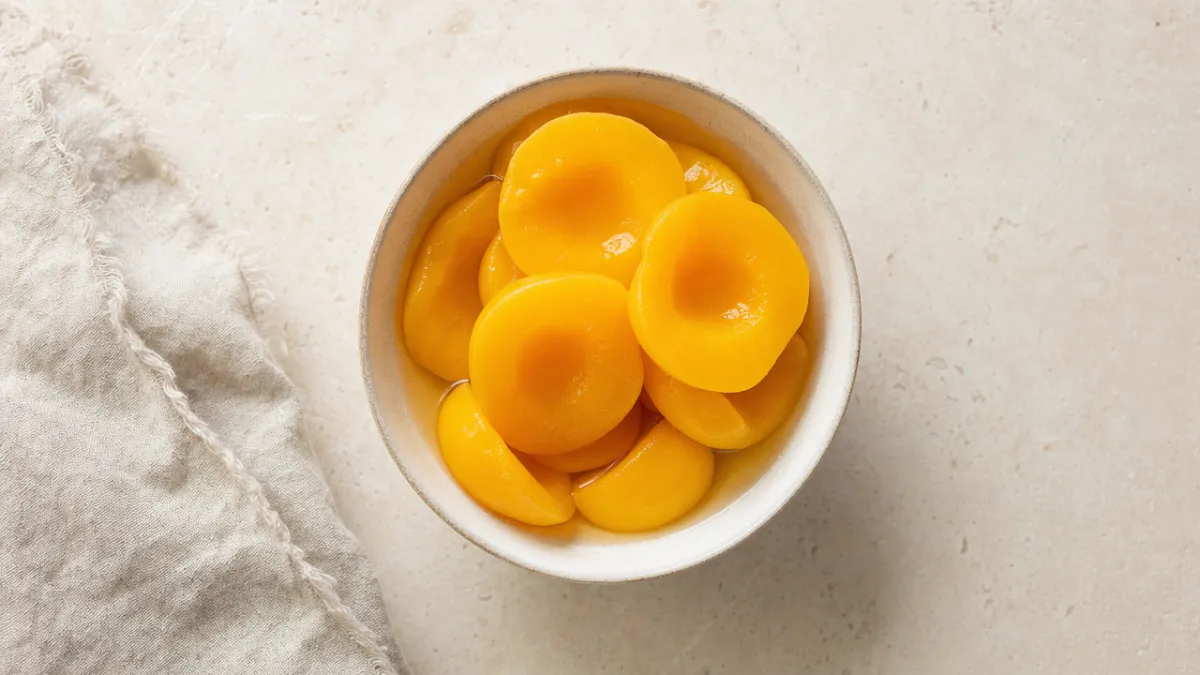
- canned-peaches
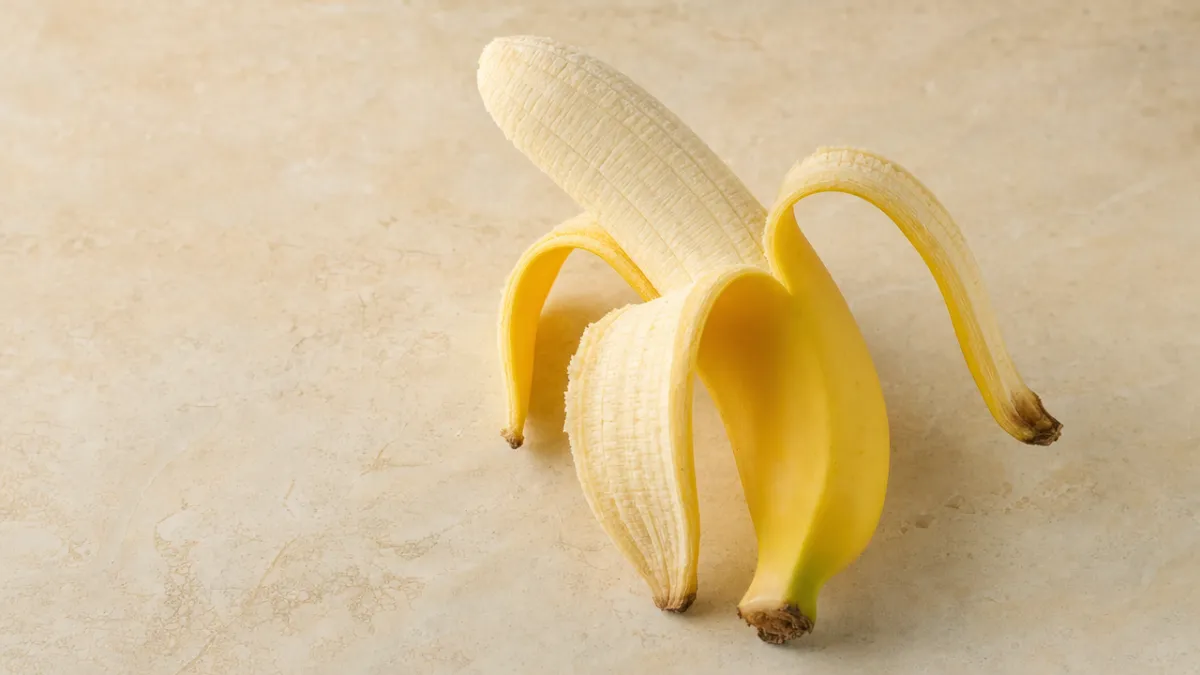
- banana
How I handle apples
A raw apple with the skin on is not something I reach for when my gut is irritated, and I learned to stop treating that as a loss. When I want the flavor I peel it, slice it thin, and often warm the slices in a pan with a little cinnamon until they soften. That gets me most of the pleasure with far less of the fiber that bothers an inflamed colon. In remission I eat peeled apples freely and only test the skin when things have been calm for a good stretch. The fructose and sorbitol are the part I cannot cook away, so I keep an eye on portion even when the skin is gone. Half an apple and stop is my usual rule. If it turns out I handle apples fine on a given day, I do not read that as permission to eat three.
How much, and how to test it
Begin with a quarter to a half of a peeled apple, raw if you are in remission or briefly cooked if you are just out of a flare. Eat it apart from other new foods and note stool consistency, gas, and any cramping over the next two to three days. If that passes cleanly, move to a whole peeled apple, and only after that try a few bites with the skin on. If loose stools or bloating show up at any step, retreat to the last portion that was fine and hold there for a week before trying again.
What you get from apples
A medium apple provides around 95 calories, roughly 4 grams of fiber (most of it in the skin), a little potassium, and a small amount of vitamin C. It is about 85 percent water, which helps with hydration. For someone with UC the fiber is a double-edged contribution: useful in remission for stool bulk and gut bacteria, unhelpful during a flare. Apples supply almost no protein or iron, so they add variety rather than shoring up the deficiencies UC tends to create.
Why this one shows up on trigger lists
Apples is flagged for 3 of the properties that most commonly cause UC symptoms. Each page explains the mechanism and lists every other food that carries it.
Questions people ask about apples and UC
Are apples bad for ulcerative colitis?
Raw, unpeeled apples are among the fruits most commonly limited during a flare because the skin is dense insoluble fiber and the flesh carries fructose and sorbitol. That does not make them bad in general. Many people with UC eat peeled apples in remission without trouble, and cooked apple is often fine even during active symptoms. The form and the portion decide it more than the fruit itself.
Is it just the skin, or is the whole apple a problem?
Both parts play a role, but for different reasons. The skin is the insoluble fiber issue, and peeling solves it. The flesh holds the fructose and sorbitol, which cooking does not remove, so people sensitive to those sugars can still notice looser stools from applesauce or peeled slices. If a peeled apple bothers you while a banana does not, the sugars are the likely culprit.
Is applesauce a better choice than a fresh apple with UC?
During a flare, usually yes. Applesauce is peeled and cooked, which removes the skin fiber and softens the rest, so it is commonly listed as a flare-friendly food while raw apple is not. In remission the gap narrows, and many people go back to whole fruit. The applesauce page on this site covers the sugar caveats in more detail.
Can I eat apples in remission?
Many people do, and the usual approach is stepwise: peeled first, then with skin once that is comfortable. Sorbitol sensitivity is individual, so some people find even peeled apples loosen their stools while others notice nothing. Keeping a portion to one medium apple, eating it with a meal rather than alone, and spacing it from other high-fructose fruit are the practical adjustments that tend to help.
Do you need to peel apples if you have Crohn's but no stricture?
Probably not for mechanical reasons. In a 1985 Italian trial, 70 people with Crohn's that had not narrowed the bowel were assigned either a low-residue diet or a normal diet for an average of 29 months. Those eating freely, fiber included, had no more symptoms, hospital stays, surgery or obstructions than the restricted group. The study was small and is now old, so it offers reassurance rather than proof. Without a stricture, apple skin comes down to the same tolerance testing used in UC.
Sources
- Dietary Advice for Ulcerative Colitis (NHS (Milton Keynes University Hospital))
- FODMAP food list (Monash University FODMAP)
- Food and Crohn's or Colitis (Crohn's & Colitis UK)
- Diet and nutritional therapies in patients with IBD (American Gastroenterological Association (AGA))
- Low residue or normal diet in Crohn's disease: a prospective controlled study in Italian patients (National Institutes of Health (PMC), from Gut 1985)
Written by Jude Horak, a UC patient. Sources last checked 2026-08-12. Spotted an error? Tell me.