Can I eat applesauce with ulcerative colitis?
By Jude Horak, UC patient. Sources checked 2026-08-12.
Also searched as: apple sauce, stewed apple.
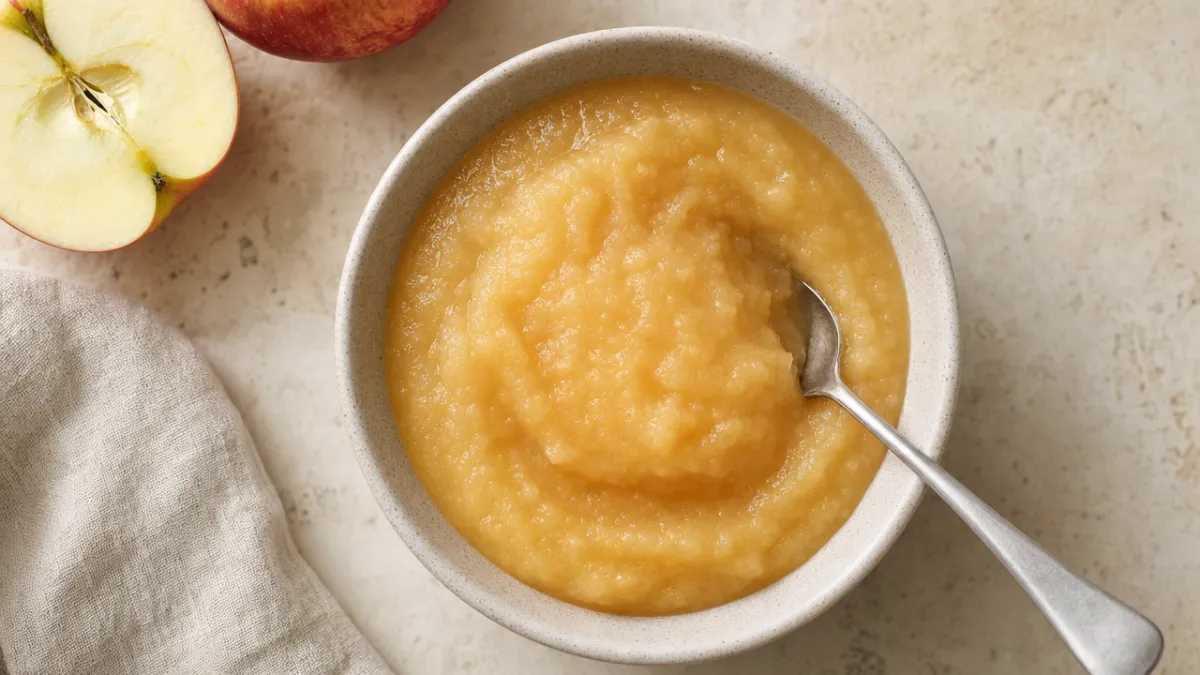
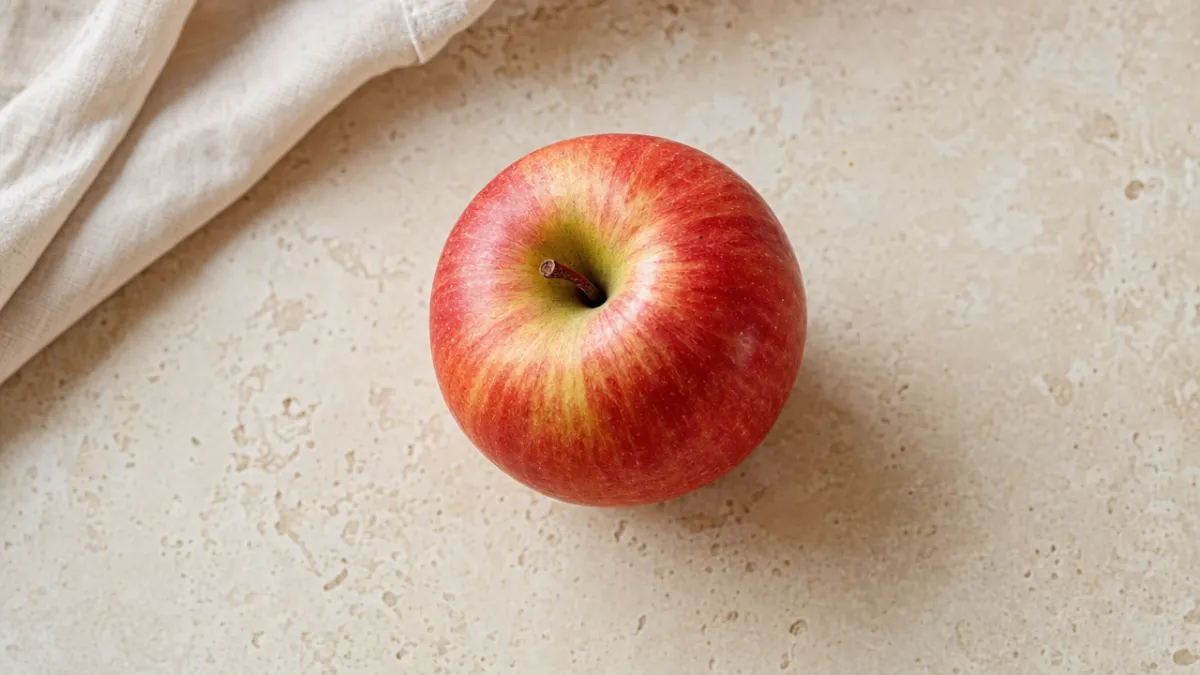
Cooking apples down and removing the skin strips out most of the insoluble fiber, leaving mainly soluble pectin, which is gentler on an inflamed colon than a raw apple. It's still an apple product, so it carries some natural sorbitol.
During a flare
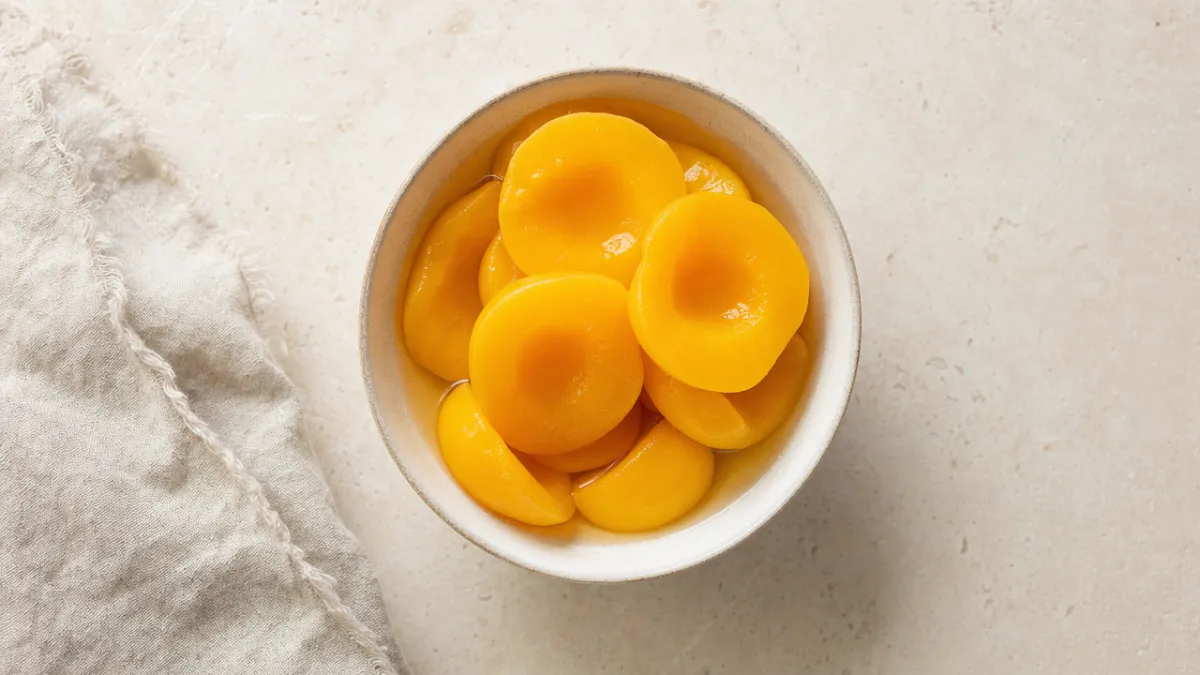
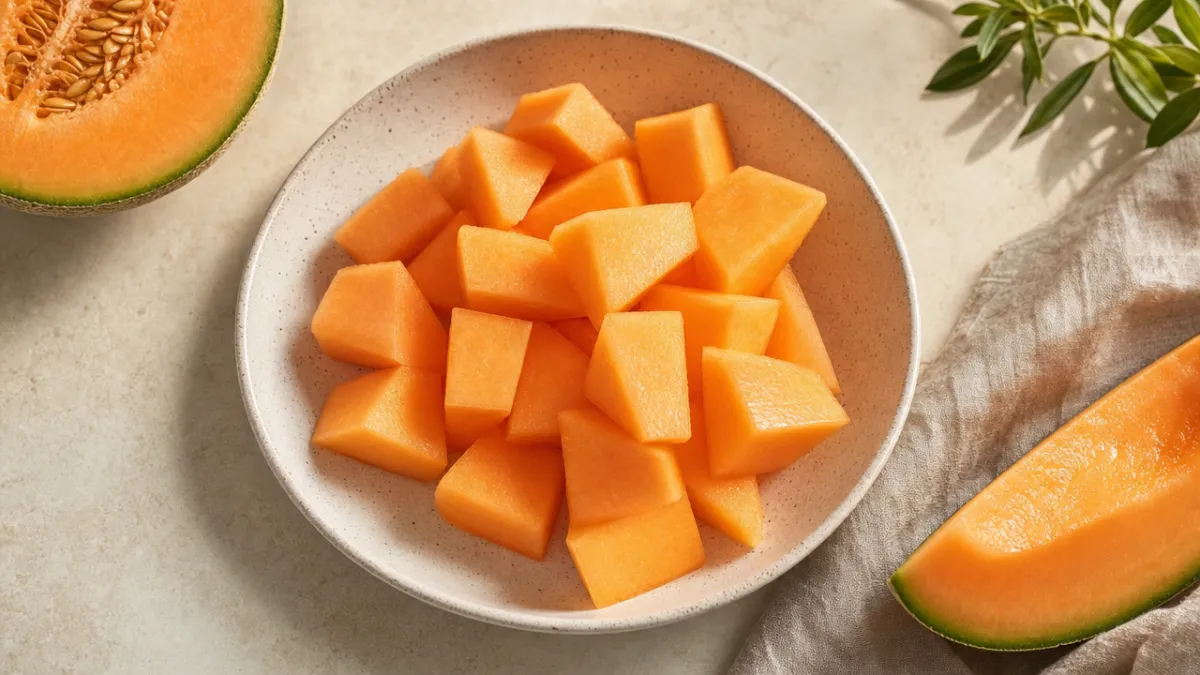
Frequently listed as a go-to soft, low-fiber flare food, similar to canned pears or peeled cooked peaches.
In remission
Usually fine as part of a varied diet; unsweetened versions avoid extra added sugar.
What the research says about applesauce and UC
Applesauce earns its place on flare lists through preparation rather than any special property of apples. The NHS dietary advice leaflet for ulcerative colitis from Milton Keynes University Hospital describes a lower-fiber approach during active symptoms in which fruit is peeled, stewed, or tinned, and stewed apple without skin is a textbook example of that method. Cleveland Clinic's guidance for people with Crohn's and colitis names applesauce directly among the soft, low-residue foods that tend to sit well when the bowel is inflamed. In both cases the advice is about the form of the fruit: cooked, skinless, smooth. Neither source reports a trial that measured symptoms in UC patients eating applesauce specifically, so this is general IBD dietary guidance applied to a food that fits the pattern well.
What the sources do not address in depth is the sugar side. Apples contain fructose in excess of glucose plus sorbitol, and cooking does not remove either. That means applesauce still carries the same fermentable sugars as the fruit it came from, just in a smoother package. For most people in a flare the fiber change matters more, and applesauce is well tolerated. For a minority who react to sorbitol or fructose, the texture improvement may not be enough, and portion size becomes the lever. Sweetened commercial versions add sugar on top of what the apple already brings, which is why unsweetened is the usual recommendation.
Ways to make it gentler
- Choose unsweetened varieties
- Homemade with peeled apples gives more control over texture
How I handle applesauce
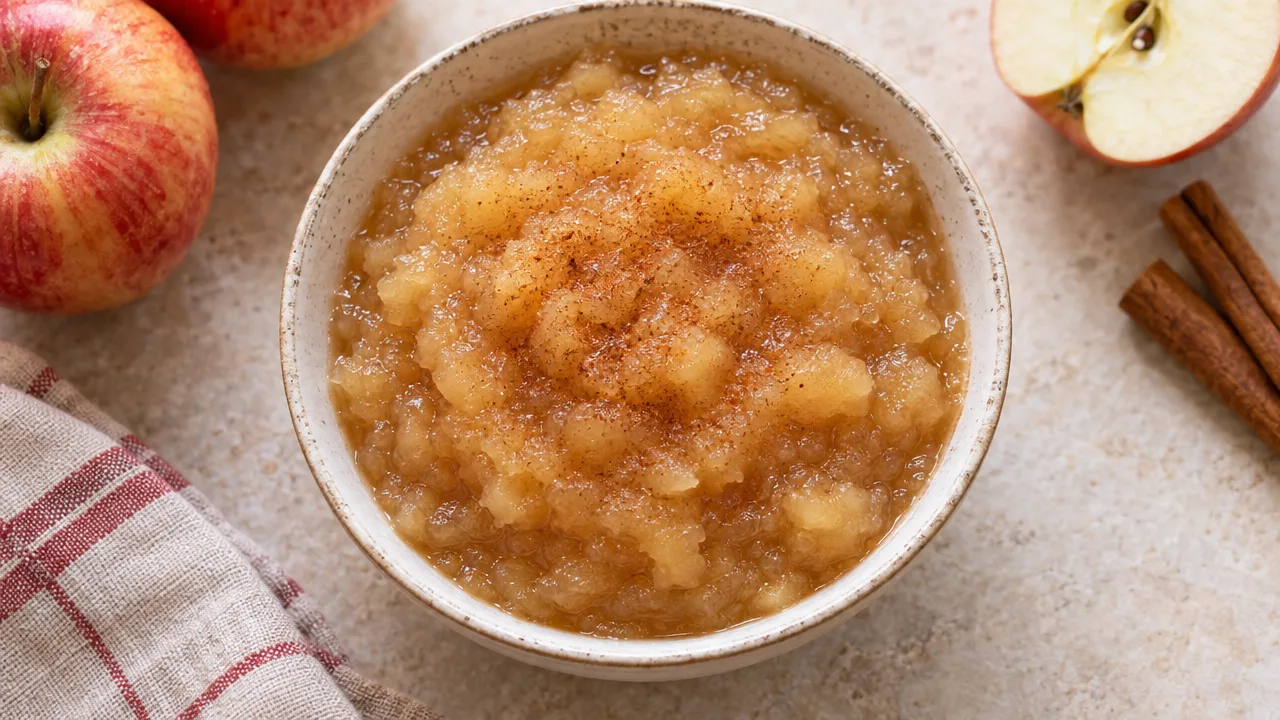
I treat applesauce as a tool more than a food. When I need something with a bit of sweetness that will not stir things up, a small bowl of unsweetened applesauce does the job, and it doubles as a way to soften a dry piece of toast. I read the label every time, because some jars are mostly added sugar, and a sugar hit on an inflamed gut is not something I want to test. During a flare I stick to a few spoonfuls at a time rather than a full cup. Cinnamon is my one addition, since it adds flavor without adding fermentable sugar. When I am well, homemade with peeled apples cooked soft is nicer and I control how smooth it ends up. If a batch seems to loosen things, I look at portion and the sorbitol angle before blaming the apples entirely.
How much, and how to test it
Two to three tablespoons of unsweetened applesauce is a modest starting portion, ideally eaten alongside foods you already know are fine so a reaction can be traced. Wait a day or two and note whether stool frequency, gas, or cramping shift. If nothing changes, build toward a half-cup serving over the following week. Because the sorbitol and fructose remain after cooking, anyone who has previously reacted to raw apples or pears should build more slowly and stop at the portion where symptoms creep in.
What you get from applesauce
Unsweetened applesauce is mostly water and a modest amount of carbohydrate, roughly 40 to 50 calories per half cup, with a little potassium and the soluble fiber pectin. During a flare its value is practical: it supplies easy calories and fluid when appetite is low, and pectin can help firm loose stools for some people. It is not a meaningful source of protein, iron, or calcium, so it supports a recovery diet rather than anchoring one.
Why this one shows up on trigger lists
Applesauce is flagged for 2 of the properties that most commonly cause UC symptoms. Each page explains the mechanism and lists every other food that carries it.
Questions people ask about applesauce and UC
Does applesauce contain pectin?
Yes. Pectin is a soluble fiber found in apple flesh, and it survives cooking, which is why homemade applesauce thickens as it cools. Soluble fiber absorbs water and forms a gel, which many people find helps bind loose stools rather than loosening them. Skin removal takes out the insoluble fiber, so applesauce ends up with a fiber profile skewed toward the gentler type.
Can you eat applesauce with ulcerative colitis?
It is one of the more commonly tolerated fruit forms during a flare and is usually fine in remission. The cooking and peeling remove the part of the apple that most people with UC struggle with. The remaining caveat is the natural sorbitol and fructose, which stay in the sauce and can loosen stools in larger portions for people sensitive to those sugars. Unsweetened versions keep the total sugar load lower.
Is applesauce good for ulcers?
Stomach ulcers and ulcerative colitis are different conditions, and this site covers the latter. For UC, applesauce tends to be gentle because it is soft and low in rough fiber. If you are asking about peptic ulcers, applesauce is bland and low-acid compared with many fruits, but that is a question for your doctor rather than a UC food guide.
Are apples and applesauce the same for colitis?
Not quite. A raw apple with skin is usually on the avoid list during a flare because the skin is dense insoluble fiber. Applesauce is the same fruit peeled and cooked soft, which strips out that fiber, so it moves into the usually-okay column. The fructose and sorbitol are shared between the two, so people who react to those sugars may notice a similar, if milder, effect from the sauce.
Recipes that use applesauce
Sources
- A Nutritional Plan for Anyone Living With Crohn's Disease or Ulcerative Colitis (Cleveland Clinic)
- Dietary Advice for Ulcerative Colitis (NHS (Milton Keynes University Hospital))
Written by Jude Horak, a UC patient. Sources last checked 2026-08-12. Spotted an error? Tell me.