Can I eat canned peaches with ulcerative colitis?
By Jude Horak, UC patient. Sources checked 2026-08-12.
Also searched as: tinned peaches.
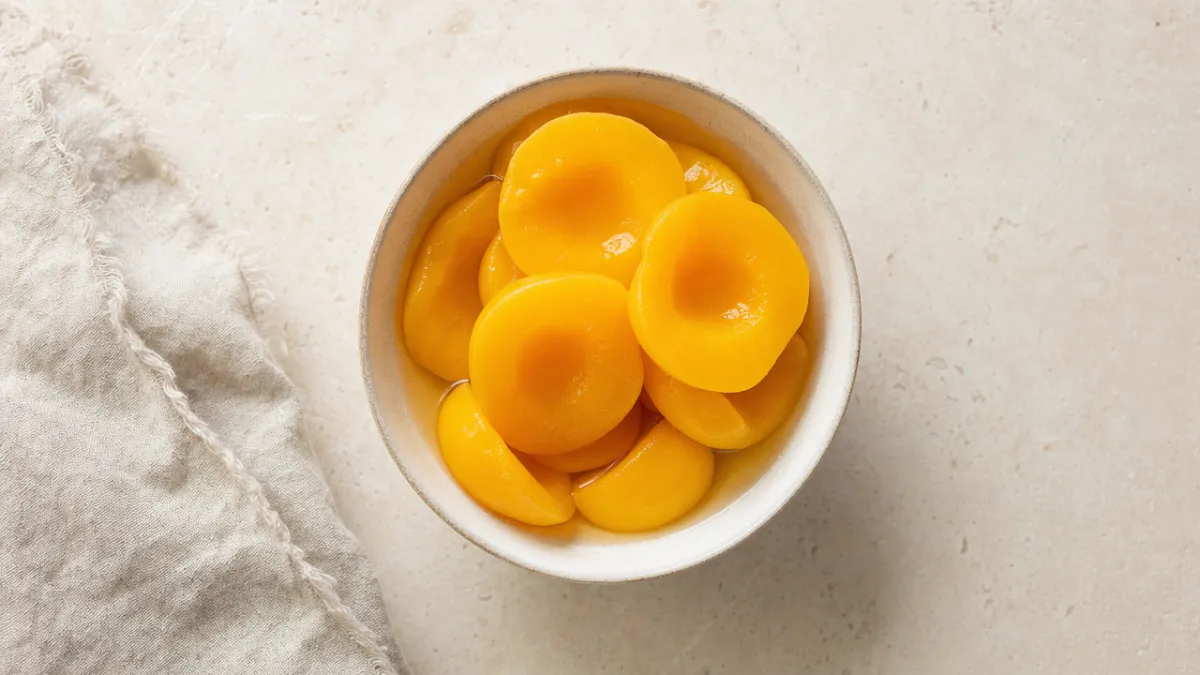
Canning removes the skin and softens the flesh, stripping out most of the insoluble fiber that makes fresh, unpeeled peaches harder to tolerate. Choosing fruit packed in juice or water rather than heavy syrup avoids an extra sugar load.
During a flare
Peeled, cooked peaches (including canned) are commonly recommended as a soft, low-fiber flare food.
In remission
Generally well tolerated; fresh peach flesh (peeled) can also be reintroduced as symptoms allow.
What the research says about canned peaches and UC
Tinned fruit is one of the few food forms that the UC dietary guidance recommends by name rather than by category. The NHS dietary advice leaflet for ulcerative colitis from Milton Keynes University Hospital lists tinned fruit among the fruit options that suit a lower-fiber diet while symptoms are active, alongside peeled and stewed fruit. Cleveland Clinic's nutrition guidance for Crohn's and colitis similarly points people toward canned or cooked fruit without skins as a way to keep fruit in the diet during a flare. Peaches happen to be the most widely available example, and the canning process does exactly what the guidance wants: it removes the skin and softens the flesh.
Neither source offers a study of canned peaches in UC patients; this is general guidance about fruit preparation, and canned peaches are the clearest real-world case of it. What the sources do not spell out is the difference between packing liquids. Fruit in heavy syrup adds a substantial dose of sugar on top of the fruit's own, and concentrated sugar can pull water into the bowel and loosen stools in the same way high-fructose fruit does. Fruit in its own juice or water sidesteps that. Peaches are low in fermentable sugars to begin with, so once the skin is gone and the syrup is avoided, there is not much left to argue with.
Ways to make it gentler
- Choose fruit canned in juice or water, not heavy syrup
How I handle canned peaches
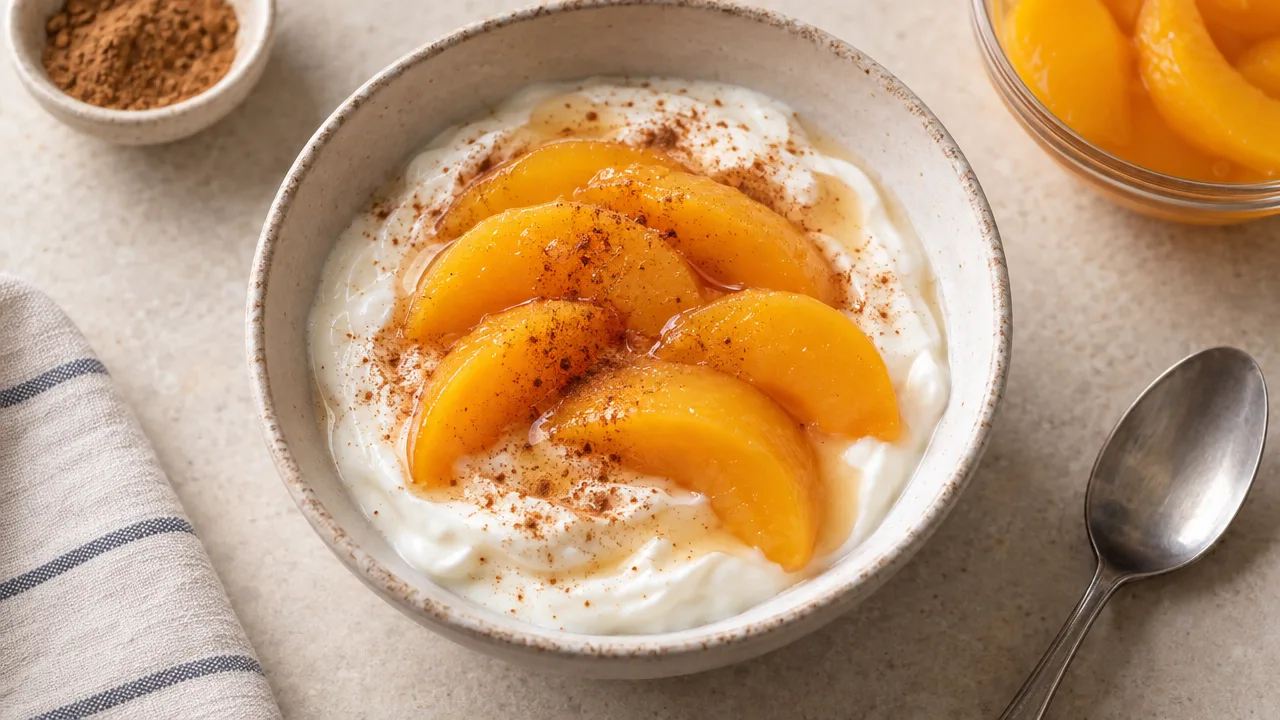
Canned peaches are a pantry staple for me because they solve the problem of wanting fruit late at night during a flare when nothing fresh in the house is a good idea. I buy the ones in juice, drain most of the liquid, and eat half a cup straight from the bowl or over plain yogurt. In the worst stretches I warm them slightly, which makes them feel more like a cooked dessert and less like something out of a tin. I also use them to test whether my gut is ready for fresh peach again: if canned goes down fine for a week, I try a peeled ripe fresh one. I do not buy the syrup versions. The extra sugar is not worth finding out about, and the juice-packed ones taste better anyway. Diced is easier to portion than halves.
How much, and how to test it
A half cup of diced canned peaches in juice, drained, is a comfortable starter portion even during a flare; if you are especially cautious, a quarter cup first. Eat it with a meal and note stool frequency and any bloating over the next day. If nothing shifts, a full cup is fine to try. Because canned peaches are so gentle, they also serve as a stepping stone: once they are consistently fine, a peeled fresh peach is the natural next test, and skin-on fresh fruit after that.
What you get from canned peaches
A half cup of peaches canned in juice has about 55 calories, a little potassium, a modest amount of vitamin C, and some vitamin A. Fiber sits around a gram, mostly soluble, which is why it counts as a low-fiber choice. The syrup versions can double the calories and sugar without adding nutrients. During a flare, canned peaches mainly contribute easy calories, fluid, and a sense of eating something normal; they are not a source of protein or iron.
Questions people ask about canned peaches and UC
Do canned peaches have fiber?
A little. A half cup of canned peaches in juice has roughly one gram of fiber, most of it soluble, since the skin, which holds the insoluble fiber, is removed before canning. That is why they qualify as a low-fiber fruit on UC flare lists. Fresh peaches with skin carry about twice as much, with a larger share of the type that can irritate an inflamed colon.
Are canned peaches low fiber enough for a colitis flare?
Commonly, yes. They appear on most low-residue and flare-friendly food lists because the skin is gone and the flesh is cooked soft during canning. Choose fruit packed in juice or water rather than heavy syrup, since concentrated sugar can loosen stools on its own. A half cup at a time is the usual serving people find comfortable when symptoms are active.
Can I make canned-style peaches at home?
Yes, and it is simple: peel ripe peaches, slice them, and simmer gently in water or unsweetened juice for ten to fifteen minutes until soft. That gives the same skinless, cooked result without any syrup. Poached peaches keep for several days in the fridge. Ripe fruit peels easily after a quick dip in boiling water, which is the same trick used commercially.
Can you eat fresh peaches with colitis?
In remission, many people do, usually peeled first. Fresh peach skin is fuzzy, thin, and fibrous, and it is the part most often blamed for trouble during a flare. Peeled, ripe fresh peach flesh is close to the canned product nutritionally and in texture, so it is a sensible next step once canned peaches have been consistently fine. Firm or underripe peaches are harder going.
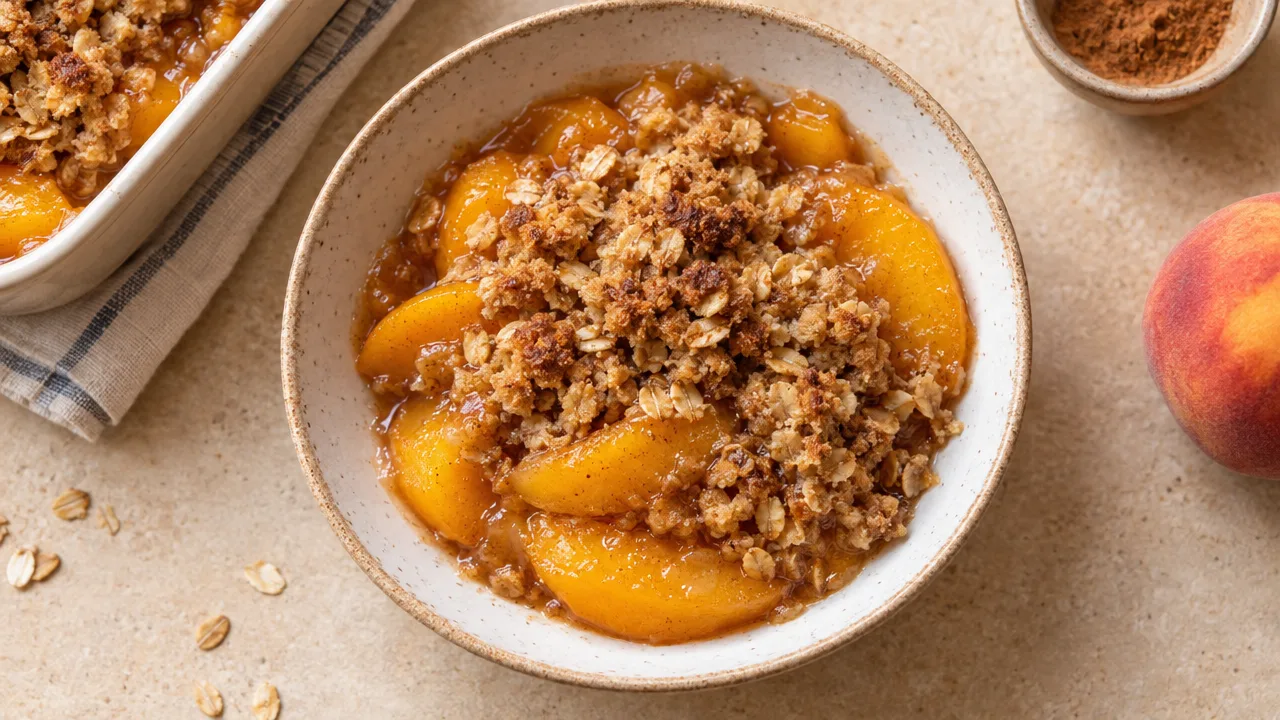
Recipes that use canned peaches
Sources
- Dietary Advice for Ulcerative Colitis (NHS (Milton Keynes University Hospital))
- A Nutritional Plan for Anyone Living With Crohn's Disease or Ulcerative Colitis (Cleveland Clinic)
Written by Jude Horak, a UC patient. Sources last checked 2026-08-12. Spotted an error? Tell me.