Can I eat cantaloupe with ulcerative colitis?
By Jude Horak, UC patient. Sources checked 2026-08-12.
Also searched as: muskmelon, rockmelon.
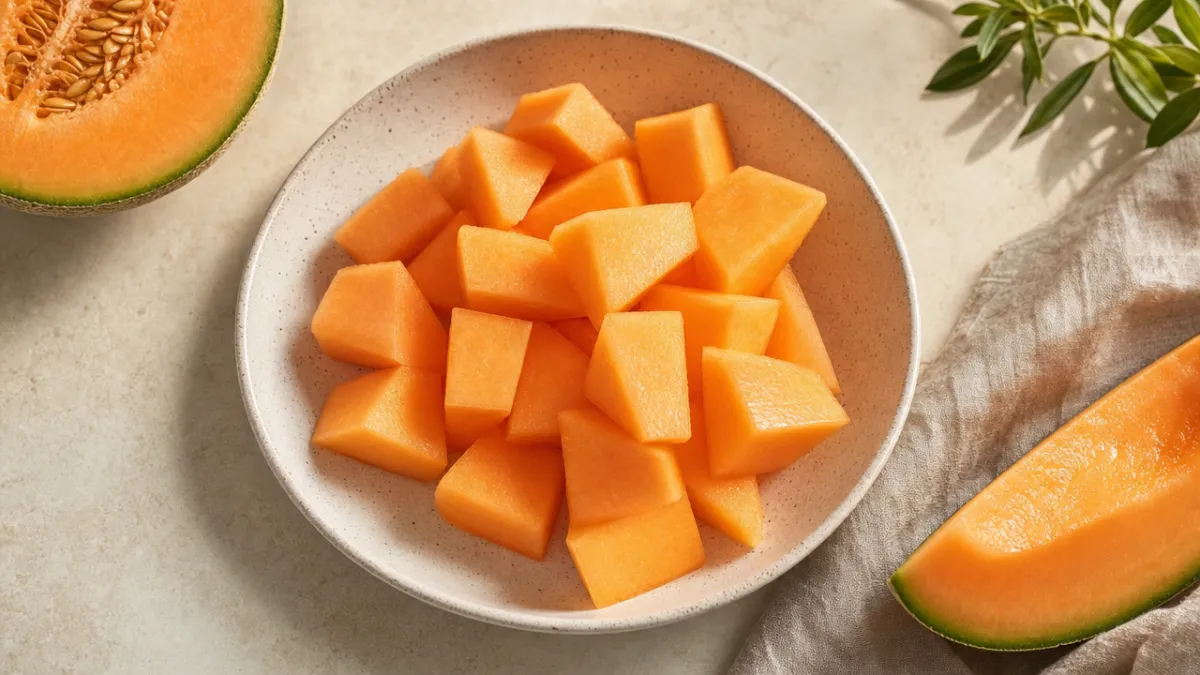
Cantaloupe flesh is soft, low in insoluble fiber, and classified as low-FODMAP, making it one of the gentler fresh fruits for an inflamed or sensitive gut.
During a flare
Melon is repeatedly listed alongside bananas as an easy-to-digest fruit source of fiber during a flare-up.
In remission
Well tolerated by most people in remission; seeds and rind are removed before eating anyway.
What the research says about cantaloupe and UC
Cantaloupe sits comfortably on the gentle side of the fruit list and the sources support that without much hedging. Crohn's & Colitis UK's Food guide describes softer, lower-fiber fruit such as melon as a sensible option when someone needs to ease back on fiber during a flare, and cantaloupe is the melon that most often gets named in that context. The Monash University FODMAP list rates cantaloupe low-FODMAP at a standard serving, meaning it does not carry the excess fructose load that makes watermelon or mango a gamble for people with sensitive digestion. That combination, soft flesh plus low fermentable sugar, is unusual among fresh fruit.
Some honesty about the depth of that evidence: the Crohn's & Colitis UK guidance is general advice about fiber and texture during active disease rather than a melon-specific study, and the Monash classification was built around irritable bowel syndrome, not colitis. There is no trial here where cantaloupe was tested in UC patients. What the two sources give is a coherent explanation of why cantaloupe tends to be well tolerated, and that explanation matches patient experience closely. Larger servings may begin to accumulate fermentable carbohydrates according to Monash, so even a gentle fruit has a portion where the story changes.
Ways to make it gentler
- Remove seeds and rind
How I handle cantaloupe
Melon is what I buy when I want fresh fruit and my gut is not in a mood to negotiate. Cantaloupe in particular works because I can cut it into cubes, keep a container in the fridge, and eat a handful at a time without any prep. I take the seeds out completely and cut well away from the rind, since the pale flesh near the skin is firmer and more fibrous than the orange center. Cold cantaloupe on a hot day when I am dehydrated from a bad stretch is one of the few things that feels both pleasant and sensible. I do keep an eye on how much I eat in one sitting, because a whole half melon in front of the TV is a lot of fruit sugar. A cup or so at a time is the amount that never seems to register.
How much, and how to test it
A half cup of cubed, deseeded cantaloupe is a gentle first serving during a flare or immediately after one. Eat it with or after a meal rather than on an empty stomach, and watch for any change in urgency or gas across the following day. If nothing shifts, a full cup a day or so later is a reasonable next step, and after that most people stop measuring. If gas or looser stools follow a larger serving, that is usually a signal that the portion, not the fruit, is the problem.
What you get from cantaloupe
Cantaloupe is about 90 percent water, which makes it a useful contributor to fluid intake when diarrhea is draining you. A cup delivers only around 55 calories but a solid dose of vitamin C, beta-carotene, and roughly 400 mg of potassium, an electrolyte that loose stools deplete. The fiber content is low, under a gram per cup, which is why it sits well in a flare. It brings no protein and negligible iron.
Questions people ask about cantaloupe and UC
Is cantaloupe low FODMAP?
Yes, at a typical serving of about three quarters of a cup, according to the Monash University FODMAP list. Larger quantities may push some people over their threshold for fermentable carbohydrates, so the low rating applies to a sensible portion rather than an unlimited amount. For people with UC who also get IBS-type symptoms, that low rating is one reason cantaloupe tends to be a safer bet than watermelon.
Can you eat cantaloupe with colitis?
Commonly, yes, and it is one of the few fresh fruits that stays on flare-friendly lists rather than being restricted. The flesh is soft, low in fiber, and mostly water, so it leaves little residue for an inflamed colon to process. Seeds and rind come off before eating, which removes the parts that would otherwise cause trouble. Keeping portions to a cup or so avoids any fermentable buildup.
Does cantaloupe make you pee more?
It can, simply because it is mostly water and carries a fair amount of potassium, which has a mild diuretic effect. For someone with UC that is generally welcome rather than a concern, since diarrhea tends to leave people short on both fluid and electrolytes. If you notice more urination after melon, it is usually a sign the fluid is being absorbed, not a sign of a problem.
Is cantaloupe better than watermelon for ulcerative colitis?
For most people, yes. Both are soft and watery, but watermelon carries enough excess fructose that a larger serving is rated high-FODMAP, while cantaloupe stays low at normal portions. That difference matters when the colon is inflamed and fermentable sugars are drawing extra water into the bowel. If you tolerate watermelon fine, there is no reason to switch, but cantaloupe is the safer first choice during a flare.
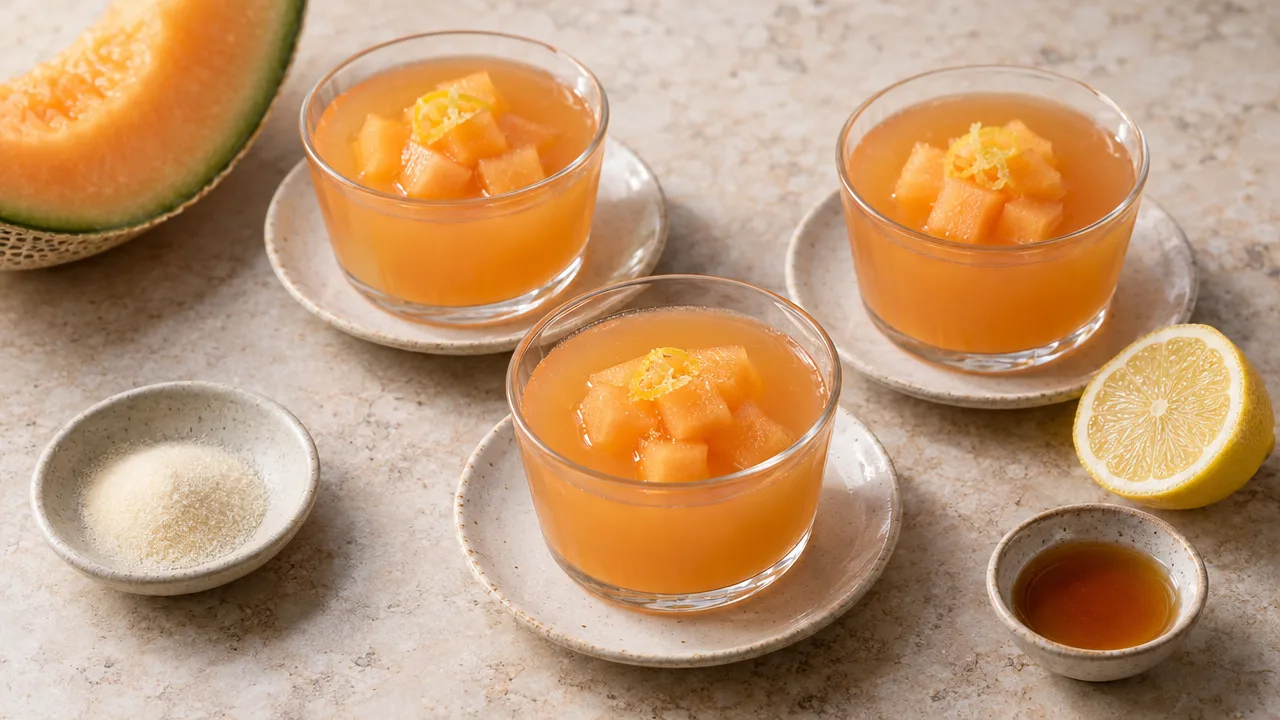
Recipes that use cantaloupe
Sources
- Food: Your Guide (booklet, ed. 9) (Crohn's & Colitis UK)
- FODMAP food list (Monash University FODMAP)
Written by Jude Horak, a UC patient. Sources last checked 2026-08-12. Spotted an error? Tell me.