Can I eat bacon with ulcerative colitis?
By Jude Horak, UC patient. Sources checked 2026-08-12.
Also searched as: cured pork.
Have Crohn's instead? Jump to the Crohn's notes
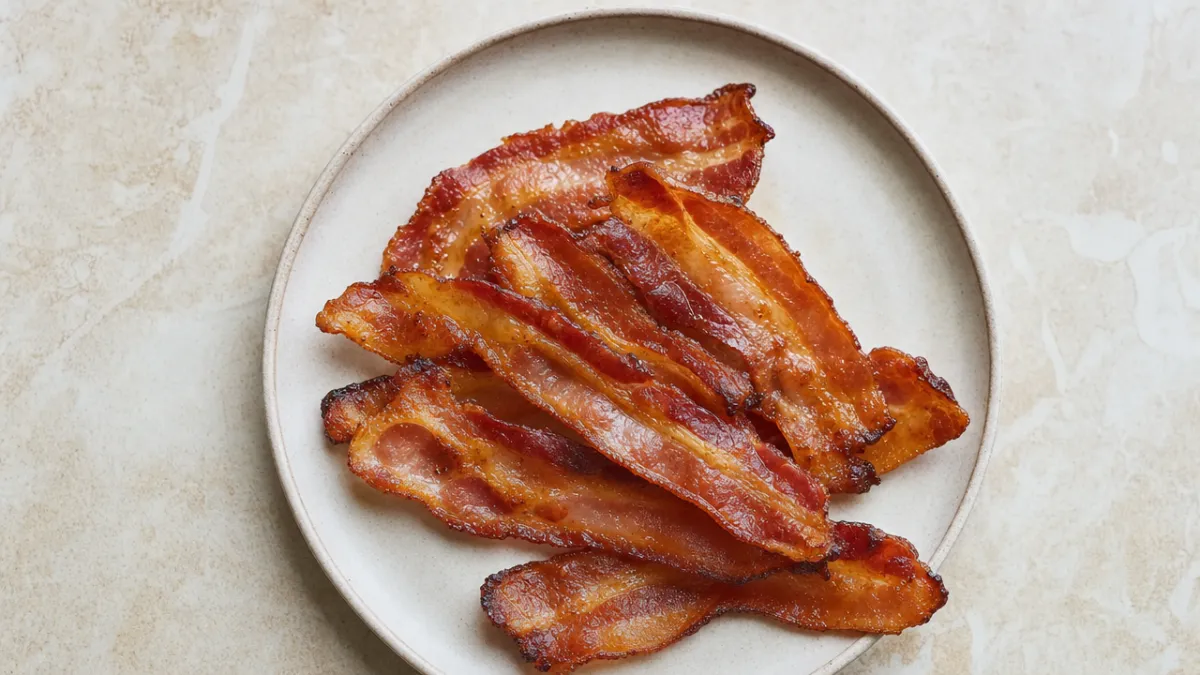
Bacon is a processed and cured meat, a category IBD dietary guidance specifically names as associated with increased inflammation risk, and UK guidance separately advises eating less fatty or processed meat like bacon or cured meats. Its high fat content also makes it harder to digest and absorb during active flares.
During a flare
Fried, fatty, and greasy foods are commonly flagged as harder to tolerate during a flare, and bacon fits that profile on top of being a processed meat.
In remission
Guidance favors treating bacon as an occasional food rather than a regular protein source, in favor of lean or plant-based proteins most of the time.
What the research says about bacon and UC
Bacon sits at the intersection of two warnings in IBD guidance. The Crohn's & Colitis Foundation names processed meats, with bacon among the examples, as foods associated with increased inflammation risk when eaten frequently, and it also cautions that high-fat and fried foods are harder to tolerate during a flare. Crohn's & Colitis UK advises eating less fatty or processed meat and lists bacon and cured meats specifically. Both organizations frame these as frequency-based cautions rather than bans.
The evidence behind those warnings is not bacon-specific. It comes from broader research on processed meat and inflammation, and on dietary patterns associated with ulcerative colitis, which neither source claims to have tested with bacon alone. There is no trial in the cited material showing that bacon triggers flares, and there is no trial showing it does not. What bacon undeniably has is a combination of features that the guidance flags separately: curing salt, nitrates or nitrites in most products, a fat content that can run above 40 percent by weight, and a cooking method that adds more. Turkey bacon and center-cut bacon reduce the fat but remain cured, processed products. A few people find that a single crisp strip in remission causes nothing noticeable, and that experience is consistent with the guidance, which is about the pattern of eating over weeks rather than any single breakfast.
If you have Crohn's instead of UC
I have UC, not Crohn's, so this part is research rather than experience.
Bacon remains an occasional food with Crohn's, though the reasoning shifts away from the processed-meat evidence and toward fat. The AGA's 2024 practice update found that cutting red and processed meat may help prevent UC flares but has not been shown to lower Crohn's relapse, so the strongest argument on this page applies less directly to Crohn's.
Fat is harder to set aside. Bacon renders a lot of it, and when Crohn's affects the ileum or part of it has been removed, the bile acids needed to absorb fat can run short. Cleveland Clinic describes the results as fatty stools, or watery diarrhea when unabsorbed bile acids reach the colon, and lists a low-fat diet as part of managing bile acid malabsorption. For someone with ileal disease, one crisp, well-drained strip crumbled over eggs is a very different test from a full plate of bacon.
Based on: American Gastroenterological Association (AGA); Cleveland Clinic; National Institutes of Health (PMC), from The BMJ 2021 (PURE study). More on how Crohn's and UC diets differ.
Safer swaps
- chicken
- turkey
- eggs
- tofu
How I handle bacon
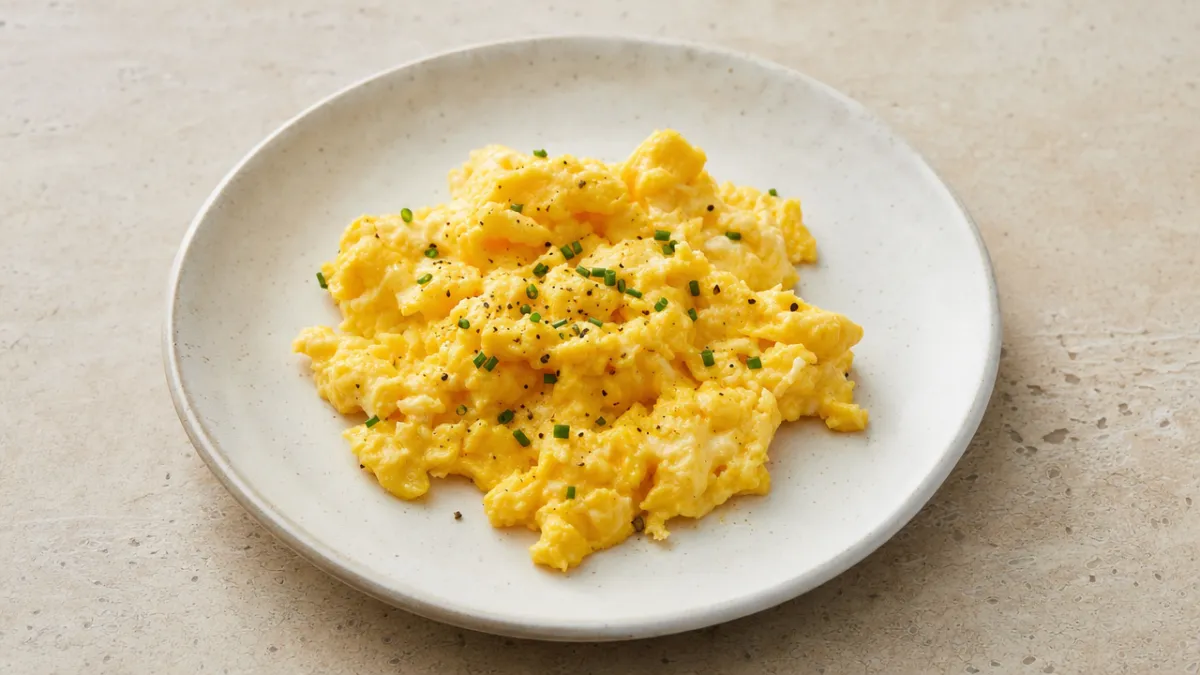
Bacon is the food I miss most during a flare and one I have mostly stopped keeping in the house. My reasoning is simple: if it is in the fridge I will cook it, and the grease plus the cure is a combination that reliably makes a rough day rougher for me. In remission, I treat it as a weekend thing. Two strips, cooked in the oven on a rack so the fat drips away, blotted on paper towel, next to eggs and toast. That is enough to feel like a proper breakfast without a plate of grease. I have tried turkey bacon and center-cut versions; they are lighter but still cured, so I count them the same way. Bacon bits and bacon in restaurant sandwiches are easy to skip because they add salt and fat without much satisfaction. The full fry-up is a thing I enjoy a couple of times a year.
How much, and how to test it
This is a food to test only in remission, and one strip is the right starting point. Oven-bake it on a rack and blot it well so most of the rendered fat is gone, then eat it with familiar foods rather than a full fried breakfast. Over the next two days watch for cramping, urgency, and greasy stool, which point to fat intolerance, and notice whether thirst or bloating from the salt shows up. If one strip is fine, two is a reasonable ceiling for a while. Steer clear of testing during a flare, where the guidance already advises against fatty and processed meat.
What you get from bacon
Two cooked strips of bacon provide around six grams of protein, seven to eight grams of fat, and roughly 300 to 400 milligrams of sodium, which is a lot of salt and fat for little protein. It contributes small amounts of B vitamins and selenium. In ulcerative colitis the sodium can matter when diarrhea is already disturbing fluid balance, and the fat ratio makes bacon a poor way to rebuild protein stores compared with eggs, poultry, or fish.
Why this one shows up on trigger lists
Bacon is flagged for 2 of the properties that most commonly cause UC symptoms. Each page explains the mechanism and lists every other food that carries it.
Questions people ask about bacon and UC
Is bacon bad for ulcerative colitis?
Patient organizations place bacon among the processed and fatty meats to eat less of, so it is not a food they recommend, particularly during a flare. That said, the guidance is about frequency. An occasional strip or two in remission is unlikely to be harmful for most people, whereas daily bacon runs against the pattern of eating that the cited sources associate with more inflammation.
Can I eat bacon during a colitis flare?
It is one of the least suitable proteins for a flare. Bacon combines high fat, curing salt, nitrites, and frying, and the cited guidance flags fatty, fried, and processed foods as commonly harder to tolerate while inflamed. Eggs, poached chicken, or white fish give far more protein with far less fat. If breakfast without bacon feels bleak, a small amount of cooked lean ham is a marginally lighter compromise, though still cured.
Is turkey bacon better for IBD than pork bacon?
Slightly, on fat. Turkey bacon usually has less total and saturated fat than pork bacon, which helps if fat is the main problem. It is still a cured, processed meat with comparable sodium and often nitrites, so it does not escape the processed-meat caution in the guidance. Think of it as a smaller step in the same direction rather than a different category of food.
Does bacon cause inflammation with colitis?
The cited organizations describe processed meat as associated with increased inflammation when eaten often, and bacon is one of their named examples. That is an association from broader dietary research rather than a proven cause-and-effect for bacon alone. The practical takeaway is that a bacon-heavy diet is worth changing, while an occasional serving in remission is a personal tolerance question.
Is turkey bacon better than pork bacon for Crohn's disease?
For the fat problem that ileal Crohn's can bring, turkey bacon usually helps, because it carries noticeably less fat per strip. It does not change the processing. The PURE study, which followed more than 116,000 adults in 21 countries, associated processed meat with a higher risk of developing IBD. That finding concerns who gets IBD rather than flares in people already diagnosed, it was an association rather than proof, and it applied to Crohn's and UC alike. Turkey bacon is a lower-fat swap, not a health food.
Sources
- What Should I Eat with Crohn's or Colitis? IBD Diet Guide (Crohn's & Colitis Foundation)
- Food and Crohn's or Colitis (Crohn's & Colitis UK)
- Diet and nutritional therapies in patients with IBD (American Gastroenterological Association (AGA))
- Bile Acid Malabsorption (Cleveland Clinic)
- Association of ultra-processed food intake with risk of inflammatory bowel disease: prospective cohort study (National Institutes of Health (PMC), from The BMJ 2021 (PURE study))
Written by Jude Horak, a UC patient. Sources last checked 2026-08-12. Spotted an error? Tell me.