Can I eat deli meat with ulcerative colitis?
By Jude Horak, UC patient. Sources checked 2026-08-12.
Also searched as: lunch meat, cold cuts, cured meat.
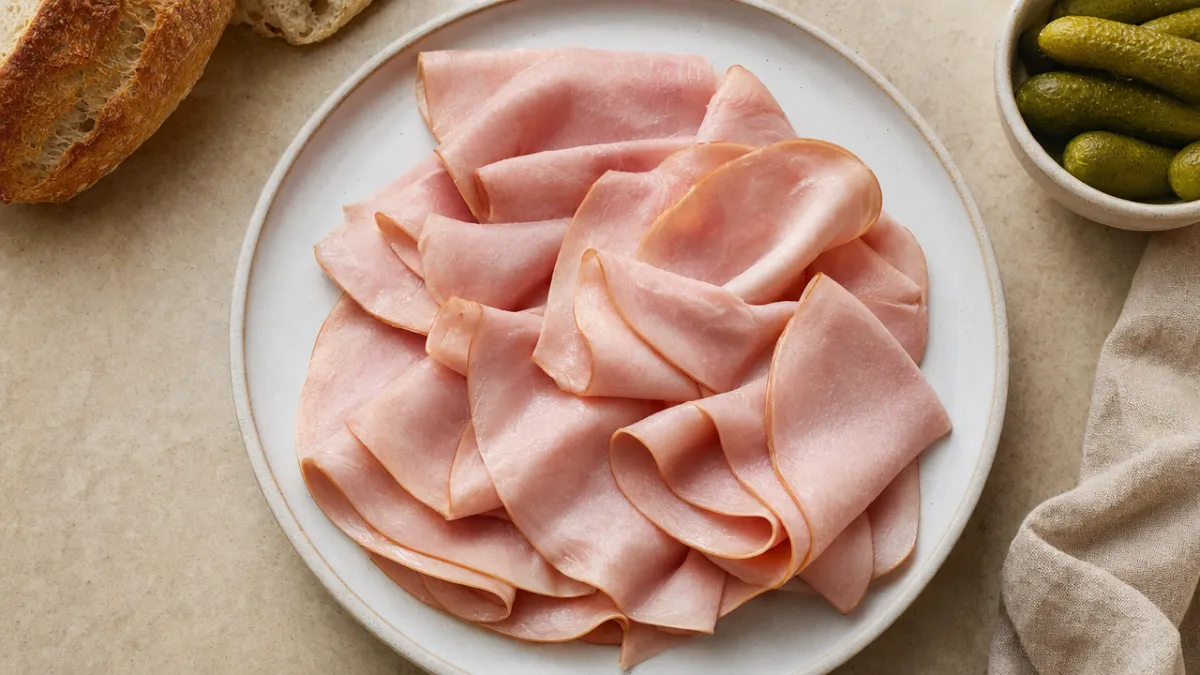
Lunch and deli meat is specifically listed as a processed meat associated with increased inflammation risk when eaten frequently, in the same category as bacon, hot dogs, and sausages; UK guidance similarly advises less cured meat.
During a flare
As a processed, often fatty and salty meat, deli meat is grouped with the foods generally advised against during a flare in favor of fresh, lean, or plant proteins.
In remission
Occasional deli meat is unlikely to be harmful, but guidance suggests limiting how often it's eaten rather than making it a daily staple.
What the research says about deli meat and UC
The Crohn's & Colitis Foundation lists lunch meat and deli meat explicitly as processed meats associated with increased inflammation risk when eaten frequently, in the same sentence as bacon, hot dogs, and sausages. Crohn's & Colitis UK gives parallel advice, recommending less cured meat as part of a diet that leans on fish, poultry, eggs, and legumes. The reasoning in both cases concerns processing: curing salts, nitrites, added sugars, and high sodium, together with the fat content of many varieties.
As with the other processed meats on this site, the evidence is about the category and not about sliced turkey or ham as such. Neither organization cites a study in which deli meat was tested in people with ulcerative colitis, and the association with inflammation comes from broader dietary research. Deli meat also spans a wide range. Salami, bologna, and pepperoni are high-fat, heavily cured products; sliced roast turkey or chicken breast from a counter is much leaner and sometimes minimally processed. The guidance does not draw that line, but its concerns apply most to the fattiest and saltiest slices. Listeria is a separate food-safety issue that the sources do not raise; it matters mainly to people on immunosuppressive therapy, who may be told to heat deli meats until steaming or avoid them, which is a question for the treating team.
Safer swaps
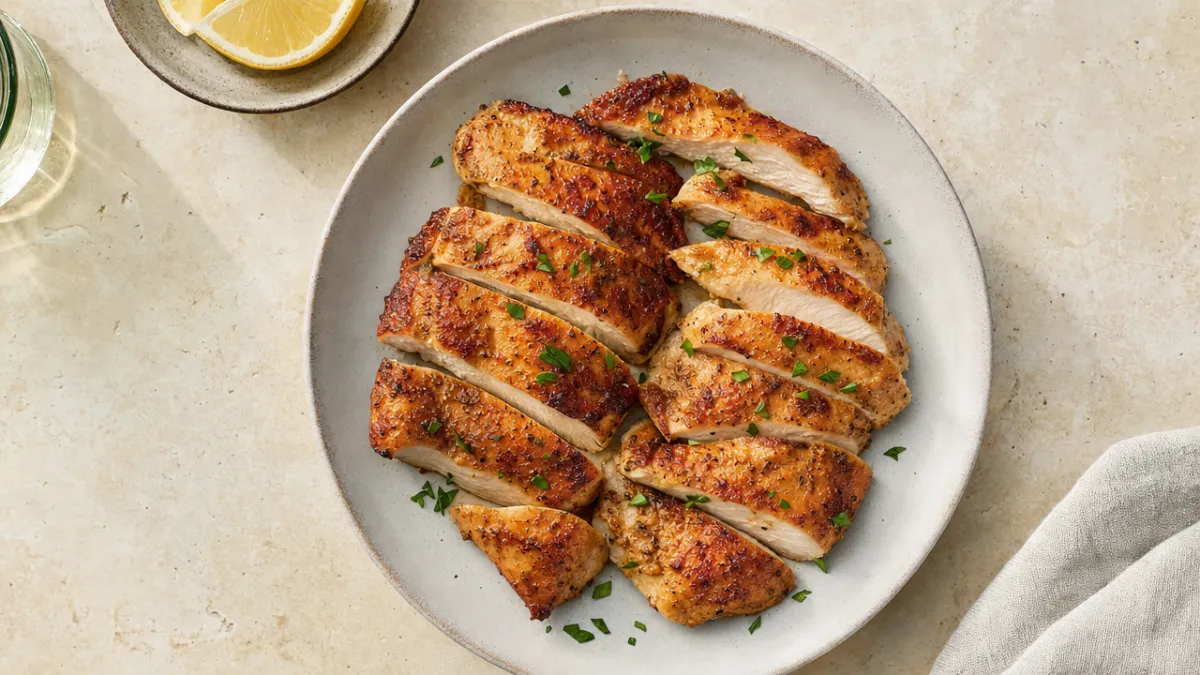
- freshly cooked chicken or turkey breast
- eggs
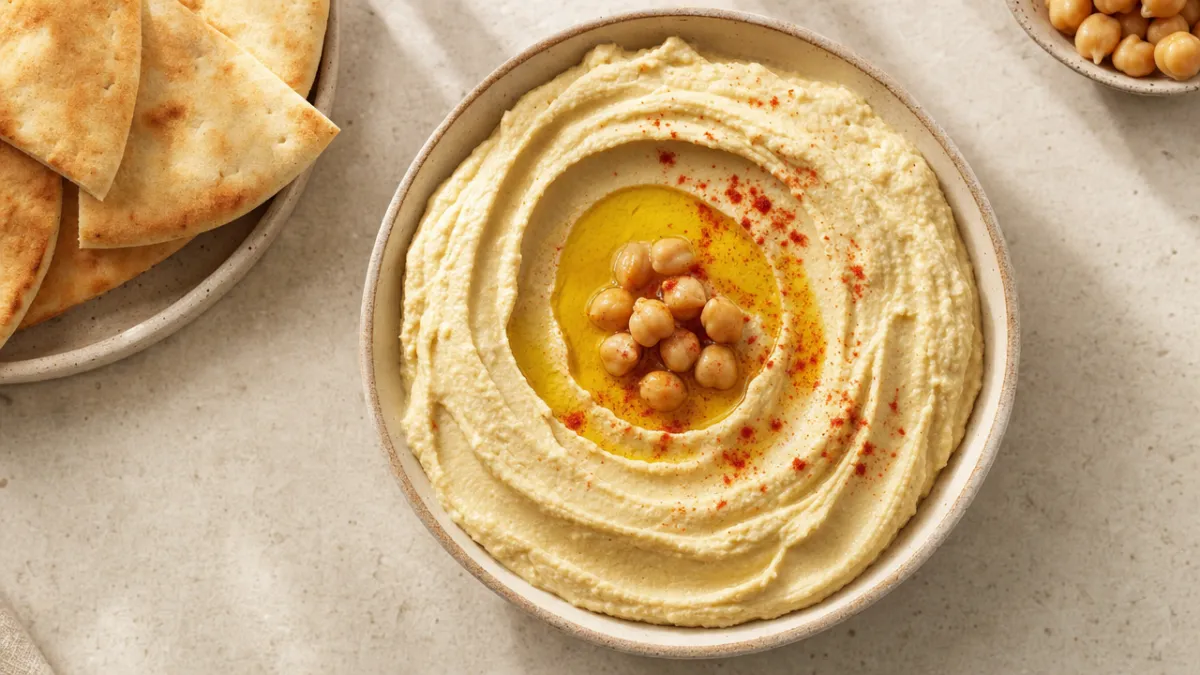
- hummus
How I handle deli meat
Sandwiches were a big part of how I ate before diagnosis, and deli meat was the default filling. The change I made was to roast my own. A turkey breast or a couple of chicken breasts on Sunday, sliced thin on Monday, covers a week of lunches and tastes better than anything from a package. During a flare I go further and skip deli meat entirely, filling sandwiches with egg, tuna, or my own roasted chicken on soft white bread. In remission I will buy freshly sliced roast turkey from the counter and check that the label is short. Salami, pepperoni, and bologna are the ones I have dropped almost completely because the fat and salt do not seem worth it. When I travel and a packaged sandwich is the only choice, I eat it and move on rather than skipping a meal.
How much, and how to test it
Test deli meat in remission rather than during a flare, and start with the leanest option available: two or three thin slices of roast turkey or chicken breast, ideally freshly sliced at a counter, on plain bread with no cheese or mayonnaise. Over the next two days note bloating, thirst, and stool changes, since the salt is the most likely early effect. If that passes, try a larger serving, then a cured product like ham. Salami, pepperoni, and bologna are the last to test. If any level produces cramping or urgency, home-roasted meat is the reliable substitute.
What you get from deli meat
Two ounces of sliced deli turkey provide roughly ten to twelve grams of protein with little fat, but usually 500 to 700 milligrams of sodium, often with added sugar and phosphate additives. Salami and bologna add substantial fat on top of the salt. That sodium load is a consideration when diarrhea is already stressing fluid balance. Deli meat contributes some B vitamins and zinc, but freshly roasted poultry offers the same protein with a fraction of the salt.
Why this one shows up on trigger lists
Deli meat is flagged for one of the properties that most commonly cause UC symptoms. Each page explains the mechanism and lists every other food that carries it.
Questions people ask about deli meat and UC
What meats can I eat with ulcerative colitis instead of deli meat?
Home-roasted turkey or chicken breast, sliced thin, is the closest swap and avoids the curing salts and nitrites. Canned tuna, hard-boiled eggs, and hummus fill a sandwich in the same way. Freshly roasted meats from a deli counter, as opposed to pre-packaged slices, are sometimes minimally processed and worth asking about. During a flare, lean poultry, fish, and eggs cooked simply are the usual recommendation.
Is deli turkey bad for colitis?
Sliced deli turkey is leaner than most cold cuts, which helps, but it is still a cured processed meat with high sodium and usually nitrites, so the cited guidance groups it with foods to limit rather than with fresh poultry. In remission, occasional deli turkey is unlikely to cause problems for most people. Roasting a breast yourself gives the same convenience without the processing.
Is deli meat considered red meat for IBD?
It depends on the animal, but the more important label is processed. Ham, salami, roast beef, and pepperoni are red meat and processed; deli turkey and chicken are white meat and processed. The Crohn's & Colitis Foundation treats processed meat as its own category linked with inflammation, separate from the red meat caution, so deli slices of any animal fall under the limit-frequency advice.
Can people with colitis eat cold cuts during a flare?
It is generally advised against. The guidance places lunch meat among the processed foods to reduce, and a flare is when fat, salt, and additives are least welcome. Practical alternatives include shredded poached chicken, mashed canned tuna, or scrambled egg in a soft roll. Anyone on immunosuppressive medication may also have been told about heating deli meats for food-safety reasons, which is worth confirming with their team.
Sources
- What Should I Eat with Crohn's or Colitis? IBD Diet Guide (Crohn's & Colitis Foundation)
- Food and Crohn's or Colitis (Crohn's & Colitis UK)
Written by Jude Horak, a UC patient. Sources last checked 2026-08-12. Spotted an error? Tell me.