Can I eat broccoli with ulcerative colitis?
By Jude Horak, UC patient. Sources checked 2026-08-12.
Have Crohn's instead? Jump to the Crohn's notes
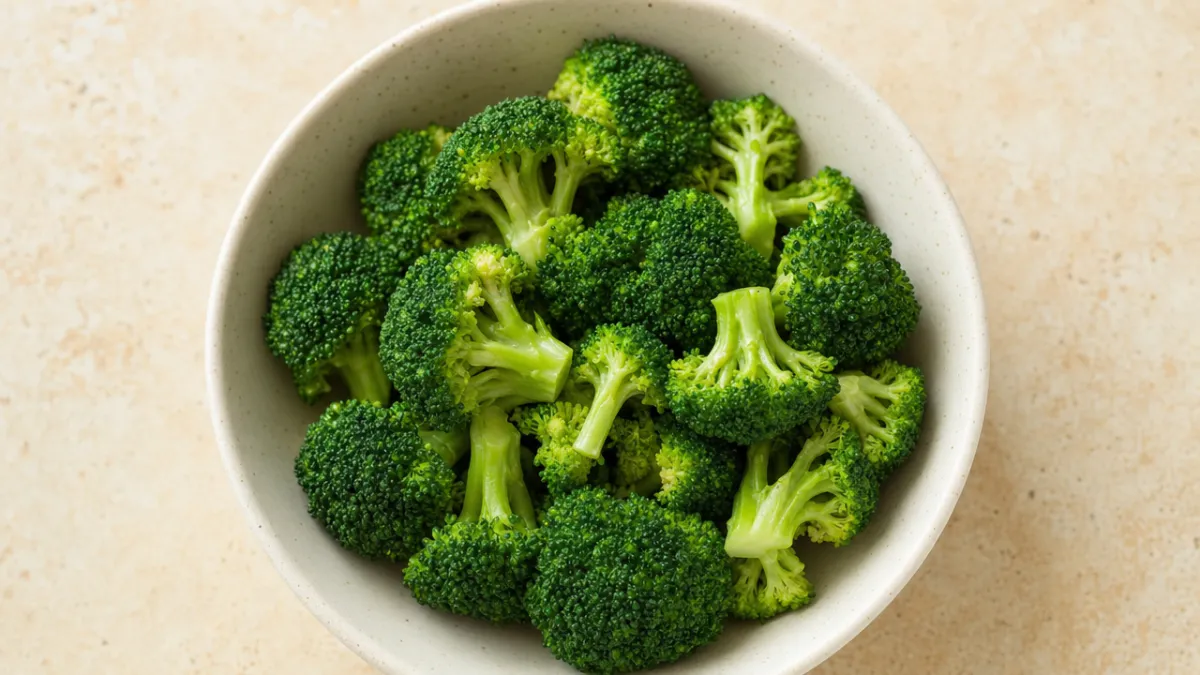
Broccoli is a cruciferous vegetable that Cleveland Clinic names specifically as a common gas-producing food, since its sulfur compounds and fibrous stalks/florets (insoluble fiber) are harder to break down. Raw vegetables with tougher fiber are also flagged as ones to avoid on low-fiber diet guidance during active symptoms.
During a flare
Raw broccoli is commonly avoided during a flare; if you try it, use only small amounts of very well-cooked florets.
In remission
Reintroduce cooked broccoli in small portions first, watching for gas or bloating, since tolerance varies a lot person to person.
What the research says about broccoli and UC
Cleveland Clinic's overview of gas and gas pain names broccoli among the foods most commonly responsible for gas, alongside cabbage, cauliflower, Brussels sprouts, beans, and onions. The reason is that broccoli carries raffinose, a sugar the small intestine cannot break down, plus sulfur compounds that give the gas its character, and a fibrous stalk and floret structure rich in insoluble fiber. In a healthy gut that mostly means bloating. In an inflamed colon, the same fermentation and bulk can mean cramping and urgency. Cleveland Clinic's low-fiber diet page separately lists raw vegetables and tough, fibrous ones among the foods to avoid when fiber needs to come down, which is where raw or crisp-cooked broccoli lands.
The limits of this evidence should be stated plainly. Both Cleveland Clinic pages are general: one is about gas in anyone, the other about low-fiber eating for a range of conditions. Neither describes a trial of broccoli in ulcerative colitis, and there is no consensus that broccoli worsens inflammation itself, only symptoms. The avoid rating during a flare reflects how often patients report trouble with cruciferous vegetables, not proof of harm. Cooking until very soft and choosing florets over stems reduces the insoluble fiber but does not remove the raffinose, so gas can persist even when texture is no longer the issue.
If you have Crohn's instead of UC
I have UC, not Crohn's, so this part is research rather than experience.
Broccoli's gas reputation is largely the same with Crohn's as with UC. What changes is the stalk, and it matters mainly if you have a stricture. The thick central stem and the woody base of each floret are the most fibrous parts of the plant, and they keep their shape even after steaming. Crohn's & Colitis UK names the stalks of vegetables, along with skins and seeds, among the foods people with a narrowing may be told to avoid. A 2024 review in Nutrients reports that ESPEN's practical guidance for small-bowel strictures focuses on texture, suggesting soft, cooked, peeled vegetables.
For broccoli, the form most likely to suit a narrowed bowel is floret tops cooked until they crush against the roof of the mouth, or broccoli blended into a smooth soup. The stalk is often left out altogether rather than peeled and added back.
Based on: Crohn's & Colitis UK; National Institutes of Health (PMC), from Nutrients 2024. More on how Crohn's and UC diets differ.
Ways to make it gentler
- cook until very soft
- peel tough stalks and use small portions
- start with florets, not stems
Safer swaps
- cooked zucchini
- cooked green beans
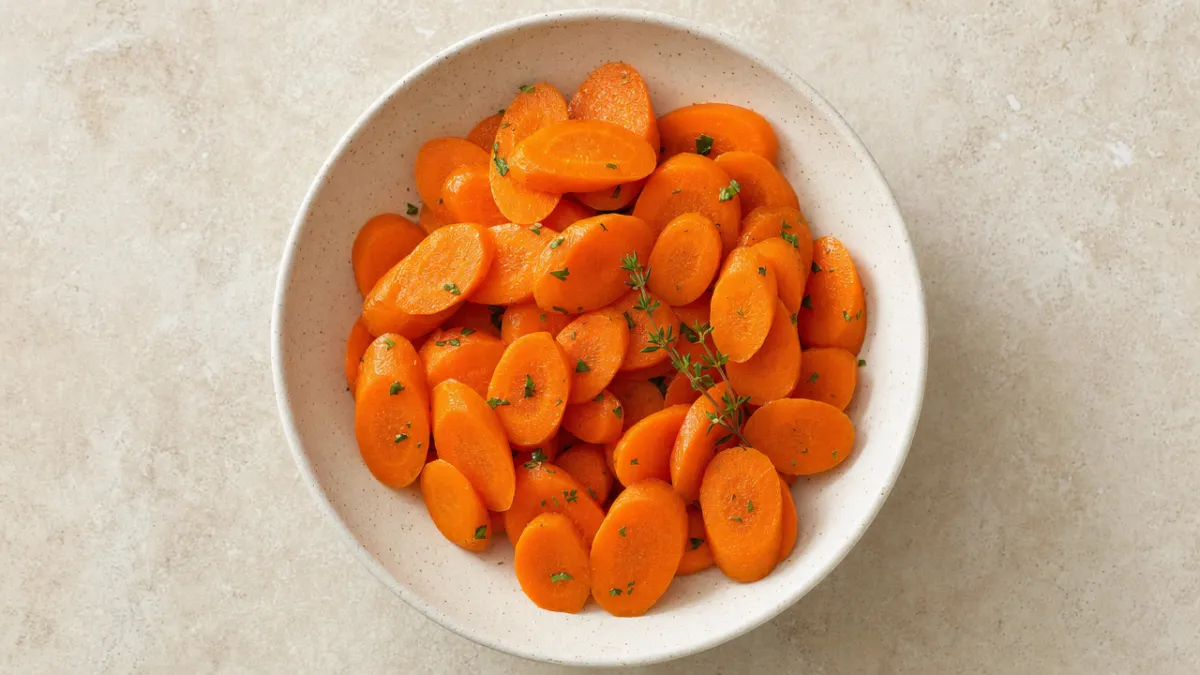
- cooked carrots
How I handle broccoli
Broccoli is a vegetable I miss during flares, and I have learned not to push it. When things are active I leave it out entirely rather than trying a tiny amount, because the payoff is small and the downside is a rough afternoon. When I am stable, I come back to it in a specific way: florets only, steamed until they are fully soft and the stems yield to a fork, a few pieces alongside something bland like rice and chicken. I skip the thick stalk unless I peel it, and I never start with roasted broccoli, since the crispy, charred version is a different texture. Broccoli in a stir-fry with garlic and onion is the version most likely to go badly, and if it does I do not blame the broccoli alone. Raw broccoli in salads or with dip I leave for other people.
How much, and how to test it
Wait until symptoms are stable, then start with two or three small florets steamed until very soft, with a meal you already know is fine. Over the next 24 to 48 hours watch specifically for gas, bloating, and cramping, since those are the typical broccoli complaints, more than diarrhea. If it is uneventful, increase to about half a cup, then try peeled stalk pieces, then roasted florets. If gas or cramping returns at any step, drop back to the last portion that worked, or set broccoli aside and try again in a few weeks.
What you get from broccoli
Broccoli is dense in vitamin C, vitamin K, and folate, with a useful amount of potassium and about 35 calories per 100 grams. Folate and vitamin K matter for people with IBD, the first because inflammation and some medications deplete it, the second for bone health after steroid courses. The frustration is that these nutrients come packaged with the compounds that cause gas. Cooked soft, a small portion still delivers most of the vitamins.
Why this one shows up on trigger lists
Broccoli is flagged for 2 of the properties that most commonly cause UC symptoms. Each page explains the mechanism and lists every other food that carries it.
Questions people ask about broccoli and UC
Can I eat broccoli with ulcerative colitis?
Many people can in remission, in small cooked portions, and many find it a reliable gas and cramping trigger during a flare. Cleveland Clinic lists it among the most common gas-producing foods for anyone, and an inflamed colon tends to amplify that. Well-steamed florets without the tough stalk are the version most likely to work. Raw broccoli, big portions, and broccoli cooked with onion and garlic are the versions most likely to fail.
Why does broccoli cause so much gas?
Broccoli contains raffinose, a sugar humans lack the enzyme to digest, so it reaches the colon intact and bacteria ferment it, producing gas. It also has sulfur compounds that make the gas smell, and fibrous stalks that add bulk. Cooking softens the fiber but does not remove the raffinose, which is why even soft broccoli can leave people bloated. Smaller portions reduce the load more reliably than any cooking method.
Is broccoli anti-inflammatory for UC?
Broccoli and other cruciferous vegetables contain sulforaphane and other compounds studied for anti-inflammatory effects in laboratory settings, and they are often included in general anti-inflammatory diet advice. That research does not translate into evidence that eating broccoli improves ulcerative colitis, and it does not change the fact that broccoli is a common symptom trigger. Think of it as a good vegetable to keep in remission, not a treatment.
Are broccoli stems or florets easier to digest?
Florets are generally easier because they cook soft faster and have less of the woody, insoluble fiber concentrated in the stalk. The thick stem can be made much gentler by peeling off the tough outer layer and cooking the pale core until soft, but it is still a later step. Start with florets, add peeled stems once those are clearly fine, and avoid the fibrous outer stalk during any sensitive stretch.
Do you need to avoid broccoli with Crohn's disease if you have no stricture?
Usually not for texture reasons. A 2024 review in Nutrients found that fiber advice from ESPEN, the IOIBD, and the British Dietetic Association broadly matches general healthy-eating guidance, and that there are no substantial data supporting insoluble fiber restriction in people without stricture symptoms. The authors describe the field as moving away from blanket advice to avoid fiber. Without a narrowing, broccoli is mainly a gas and tolerance question, the same one people with UC work through.
Sources
- Gas and Gas Pain: Causes, What It Feels Like, Location, Treatment (Cleveland Clinic)
- Low-Fiber Diet: What It Is and Foods To Eat (Cleveland Clinic)
- Food and Crohn's or Colitis (Crohn's & Colitis UK)
- Dietary Fiber in Inflammatory Bowel Disease: Are We Ready to Change the Paradigm? (National Institutes of Health (PMC), from Nutrients 2024)
Written by Jude Horak, a UC patient. Sources last checked 2026-08-12. Spotted an error? Tell me.