Can I eat cauliflower with ulcerative colitis?
By Jude Horak, UC patient. Sources checked 2026-08-12.
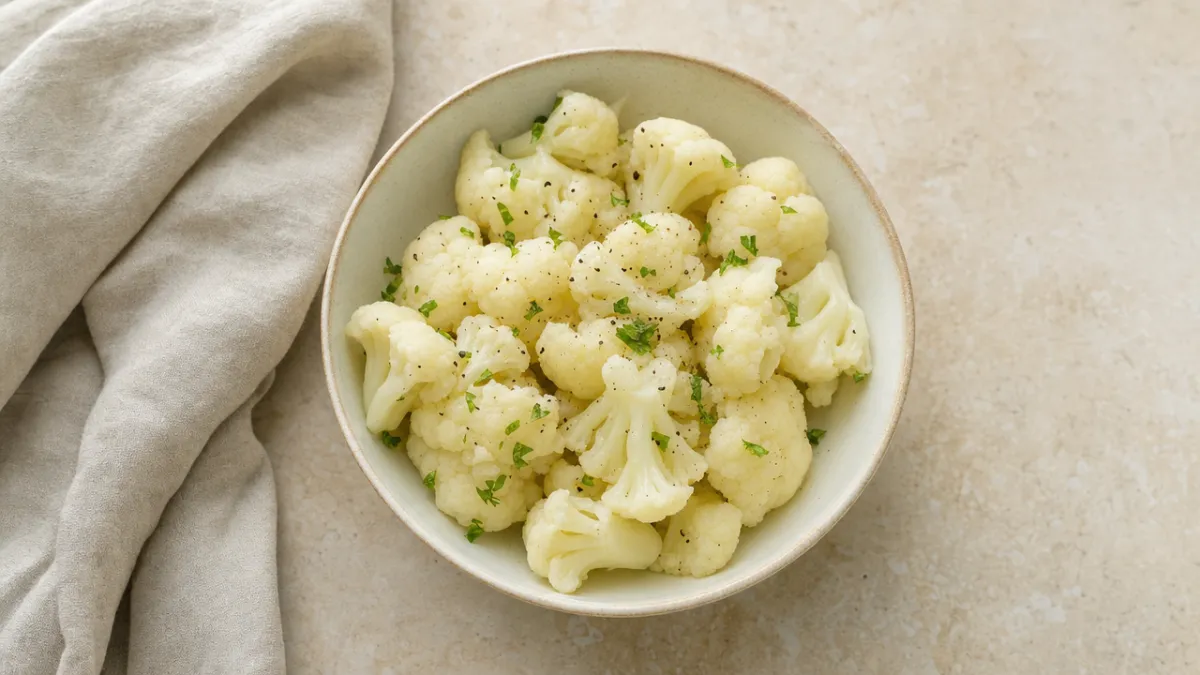
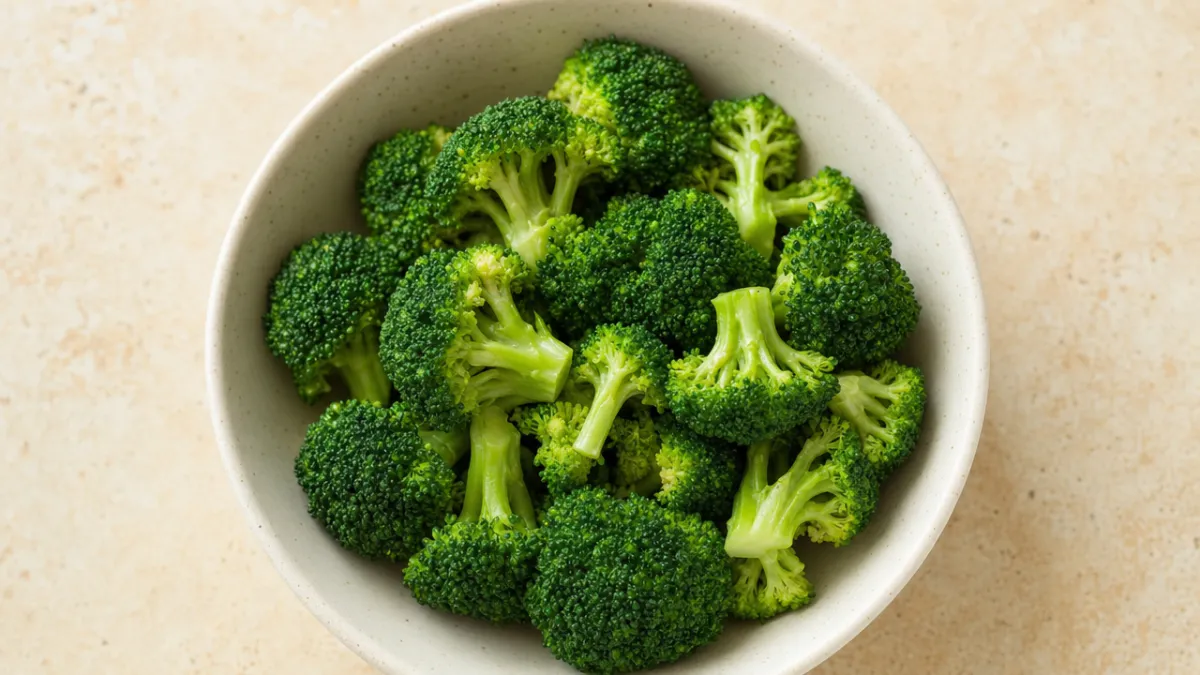
Like broccoli and cabbage, cauliflower is a cruciferous vegetable Cleveland Clinic identifies by name as a common cause of gas and bloating, driven by sulfur compounds and fibrous, insoluble-fiber-rich florets. Raw or under-cooked crunchy vegetables are also flagged to avoid during active symptoms on low-fiber diet guidance.
During a flare
Best avoided raw during a flare; if trying it, use only small, very well-cooked, soft portions.
In remission
Reintroduce cooked cauliflower gradually in small amounts, since gas and bloating are commonly reported even in remission.
What the research says about cauliflower and UC
Cauliflower shares a family and a reputation with broccoli. Cleveland Clinic's page on gas and gas pain includes cauliflower in its list of foods that commonly produce gas, explaining that cruciferous vegetables contain sugars the small intestine cannot digest and sulfur compounds that bacteria act on in the colon. Cleveland Clinic's low-fiber diet guidance adds a second concern by steering people away from raw and fibrous vegetables when fiber needs to come down, which describes raw cauliflower florets and, to a lesser degree, undercooked ones. Together these two general pieces of advice explain why cauliflower gets an avoid rating during a flare on this site.
Neither Cleveland Clinic page reports research on cauliflower in ulcerative colitis specifically, and the ratings here are extrapolated from how often cruciferous vegetables are reported as symptom triggers rather than from evidence of harm. One practical wrinkle that the sources do not cover but that follows from them is the rise of cauliflower as a substitute ingredient. Cauliflower rice, cauliflower pizza crust, cauliflower mash, and cauliflower gnocchi concentrate a lot of cauliflower into a serving that looks like a small amount of a familiar food, and the fermentable load scales with the amount of vegetable, not with how it is shaped.
Ways to make it gentler
- cook until very soft or pureed
- start with small portions
Safer swaps
- cooked zucchini
- cooked carrots
How I handle cauliflower
Cauliflower is on my do-not-bother list during a flare, and I say that as someone who likes it. My reasoning is simple: it offers little I cannot get from a gentler vegetable, and the gas it produces is not worth the experiment while my colon is already inflamed. In remission I reintroduce it steamed until soft and mashed, or roasted long enough that it goes sweet and tender all the way through. The version I am most careful with is the substitute stuff. A plate of cauliflower rice is a lot of cauliflower, more than I would ever put on my plate as a side, and cauliflower pizza crust is the same trick. I treat those as a big portion of a cautious vegetable, not as a low-carb free pass. Raw cauliflower on a veggie tray is not something I go near.
How much, and how to test it
Save cauliflower for stable periods, then start with a quarter cup, steamed until it mashes easily with a fork, eaten with a meal of things you already trust. The next 24 to 72 hours are for noticing gas, bloating, and cramping, the usual cruciferous complaints. If that is fine, move to half a cup, then to roasted pieces, and treat cauliflower rice or crust as a separate, later test with its own small portion. If bloating shows up at any stage, go back a step or give it a few weeks.
What you get from cauliflower
Cauliflower offers vitamin C, vitamin K, folate, and some B6 and potassium for only about 25 calories per 100 grams. Those are useful nutrients for someone with UC, especially folate, but the amounts in a small cooked portion are modest, and gentler vegetables cover most of the same ground. It has almost no protein or energy, so it does not help with weight, and it should not displace higher-calorie foods when appetite is limited.
Why this one shows up on trigger lists
Cauliflower is flagged for 2 of the properties that most commonly cause UC symptoms. Each page explains the mechanism and lists every other food that carries it.
Questions people ask about cauliflower and UC
Is cauliflower bad for ulcerative colitis?
It is a commonly reported gas and bloating trigger rather than something that damages the colon. Cleveland Clinic lists it among foods that frequently produce gas for anyone, and an inflamed gut tends to feel that more sharply as cramping and urgency. In remission, many people tolerate small, well-cooked portions. During a flare, most low-fiber guidance would leave it out.
Can I eat cauliflower rice with UC?
Cauliflower rice is often more cauliflower than people realize: a cup of it is a large serving of a cruciferous vegetable, and the fermentable sugars scale with quantity regardless of how finely it is chopped. In remission, a small amount cooked soft may be fine. As a full rice replacement during a flare, it tends to be a poor trade for actual white rice, which is one of the gentlest foods available.
Does cooking cauliflower make it easier to digest?
Cooking softens the insoluble fiber in the florets and stems, which removes the texture problem and makes the vegetable easier to break down mechanically. It does not remove the raffinose and related sugars that bacteria ferment into gas, so soft cauliflower can still cause bloating. Steaming until it mashes, and keeping the portion small, are the two adjustments that help the most.
Why does cauliflower make me gassy?
Cruciferous vegetables contain sugars the small intestine cannot absorb, so they pass into the colon where bacteria ferment them, producing hydrogen and, with cauliflower's sulfur compounds, a strong smell. Some people also react to the fiber load. In UC, an inflamed colon can turn that ordinary gas into cramping and urgency, which is why cauliflower rates as a caution food even in remission.
Sources
- Gas and Gas Pain: Causes, What It Feels Like, Location, Treatment (Cleveland Clinic)
- Low-Fiber Diet: What It Is and Foods To Eat (Cleveland Clinic)
Written by Jude Horak, a UC patient. Sources last checked 2026-08-12. Spotted an error? Tell me.