Can I eat carrots with ulcerative colitis?
By Jude Horak, UC patient. Sources checked 2026-08-12.
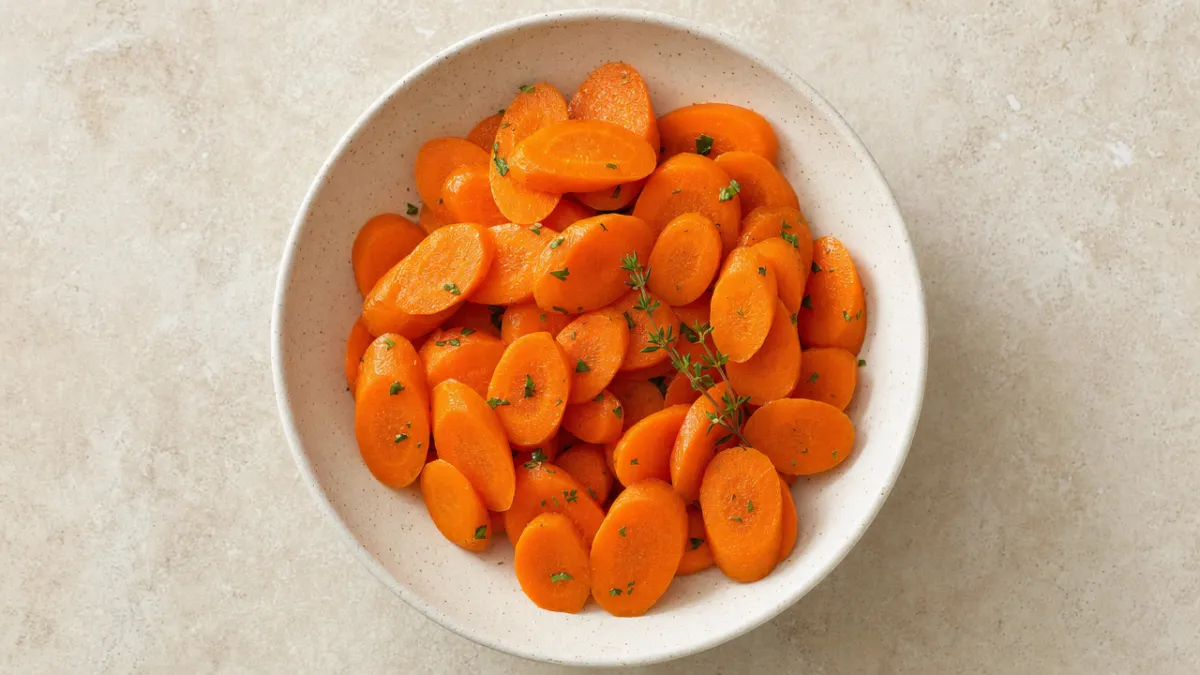
Cooked carrots are low in FODMAPs and are repeatedly listed as a go-to well-tolerated vegetable on low-fiber and low-residue guidance, since cooking softens their fiber. Raw carrots are still fine for many people but the crunchy texture and higher intact fiber can be tougher going during active symptoms.
During a flare
Cooked, soft carrots (steamed, boiled, roasted until tender) are a commonly recommended low-residue vegetable.
In remission
Raw carrots are usually fine to reintroduce as tolerated.
What the research says about carrots and UC
Cooked carrots are one of the least controversial vegetables in this category. Cleveland Clinic's low-fiber diet overview lists well-cooked carrots among the vegetables that are usually acceptable when fiber needs to be limited, provided they are tender and not eaten raw. Monash FODMAP testing rates carrot as low FODMAP with no upper serving limit flagged, which separates it from vegetables like sweet corn or mushrooms that become a problem as the portion grows. Between those two sources, carrots are cleared on both of the main mechanisms this site tracks: fermentable carbohydrate load and rough insoluble fiber, at least once cooking has softened them.
What the sources do not say is anything about carrots and ulcerative colitis specifically. Cleveland Clinic's page covers low-fiber eating for a range of situations, and Monash's research is built on irritable bowel syndrome, not IBD. The extrapolation is reasonable because the mechanisms are shared, but it is still an extrapolation. Raw carrots are a different case: the same fiber is present but intact and crunchy, and raw vegetables are the group low-fiber guidance suggests leaving out during active symptoms. Carrots did not become harder to digest, they simply have not been pre-softened by heat.
Ways to make it gentler
- cook until soft rather than eating raw during a flare
- peel if skin bothers you
How I handle carrots
Carrots are the vegetable I reach for when I want something with color and actual nutrition on a flare day. I steam or boil them until a knife slides in with no push, then either eat them as is or blend them into a soup with potato and a little salt. Roasted until soft works too, as long as I skip the charred edges. Raw carrot sticks are a remission food for me, and even then I chew them properly rather than snacking on them absent-mindedly. The thing I pay attention to is texture more than quantity: a big bowl of very soft carrots has never worried me the way a small handful of raw ones might during a bad week. If I want crunch when things are stable, I start with thin shavings or grated carrot rather than whole sticks.
How much, and how to test it
Half a cup of soft-cooked carrot coins is a sensible first portion, eaten with a meal you already trust. Note over the next 24 to 48 hours whether stool frequency, urgency, or gas changes compared with your usual. Cooked carrots rarely need more than one or two steps: build to a full cup, then try roasted, then try raw grated carrot in a small amount once you are in remission. If raw carrot brings back cramping or visible undigested pieces, keep it cooked for a while longer.
What you get from carrots
Carrots are best known for beta-carotene, which the body converts to vitamin A, a nutrient that supports the lining of the gut and is easy to fall short on when eating is restricted. They also bring potassium, some vitamin K, and fluid, since cooked carrots are mostly water. Calories are modest at around 35 per 100 grams, so carrots are a way to add nutrients and volume rather than energy.
Why this one shows up on trigger lists
Carrots is flagged for one of the properties that most commonly cause UC symptoms. Each page explains the mechanism and lists every other food that carries it.
Questions people ask about carrots and UC
Are cooked carrots low FODMAP?
Yes. Monash FODMAP lists carrot as low FODMAP, and cooking does not change that. Carrots are one of the few vegetables Monash flags with no serving-size ceiling, which is why they appear so often in low FODMAP and low-residue meal plans. If cooked carrots seem to bother you, the cause is more likely something they were cooked with, such as onion or garlic in a soup, than the carrot itself.
Can cooked carrots cause diarrhea or constipation?
On their own, cooked carrots are unlikely to push things in either direction. Their fiber is largely softened soluble fiber, which tends to absorb water and firm stool slightly rather than loosen it, which is why carrot is a common part of bland flare menus. Very large portions could add enough bulk to matter, and raw carrots are a different story for some people, but a normal serving of soft carrots is usually neutral.
Are raw carrots okay with ulcerative colitis?
During a flare, raw carrots are generally in the group of crunchy, intact-fiber vegetables that low-fiber guidance suggests skipping. They are still low FODMAP raw, so the concern is texture and insoluble fiber, not fermentation. In remission many people eat them without trouble. Grating or shaving raw carrot thinly, and chewing well, is a gentler way to reintroduce the raw version than whole sticks.
Are carrots gentle on the stomach?
Cooked carrots are widely regarded as one of the gentlest vegetables, which is why they show up in soups and purees recommended during flares, and in low-fiber diets for other gut conditions as well. They are low in acid, low in fat, and low FODMAP. The one caveat is preparation: soft, plain carrots are gentle, while raw sticks or carrots in a heavily spiced dish may not be.
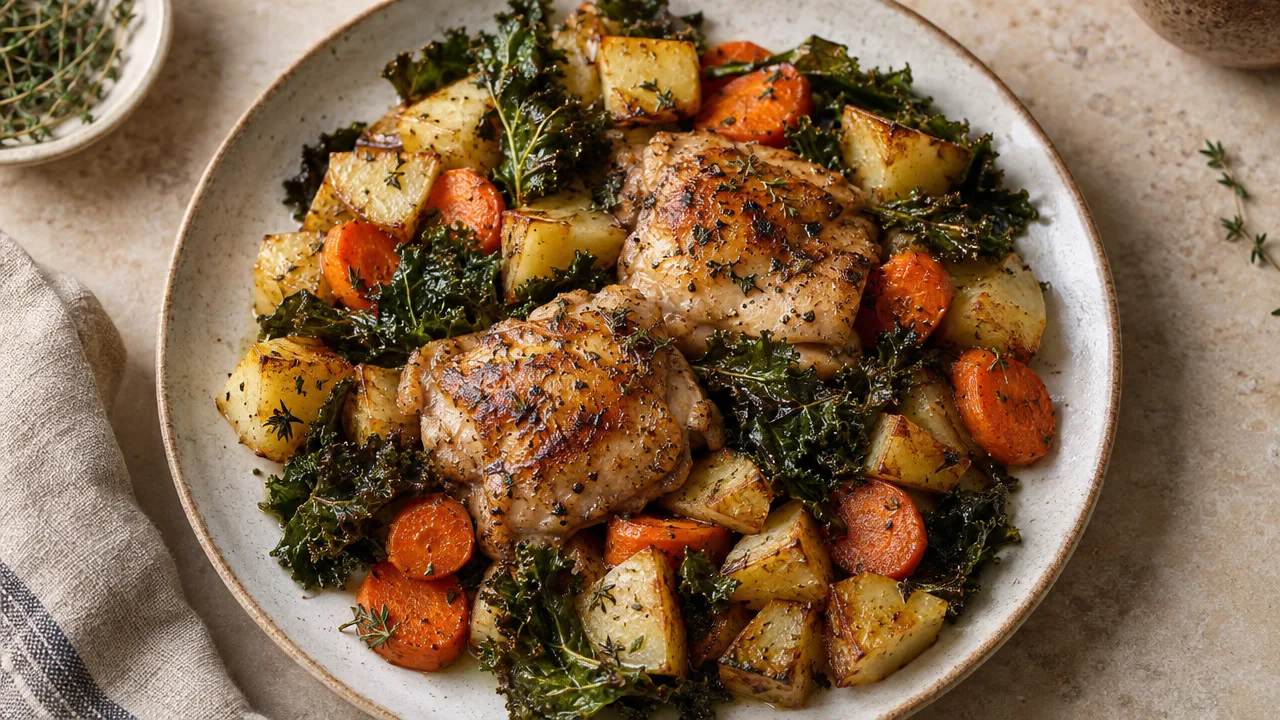
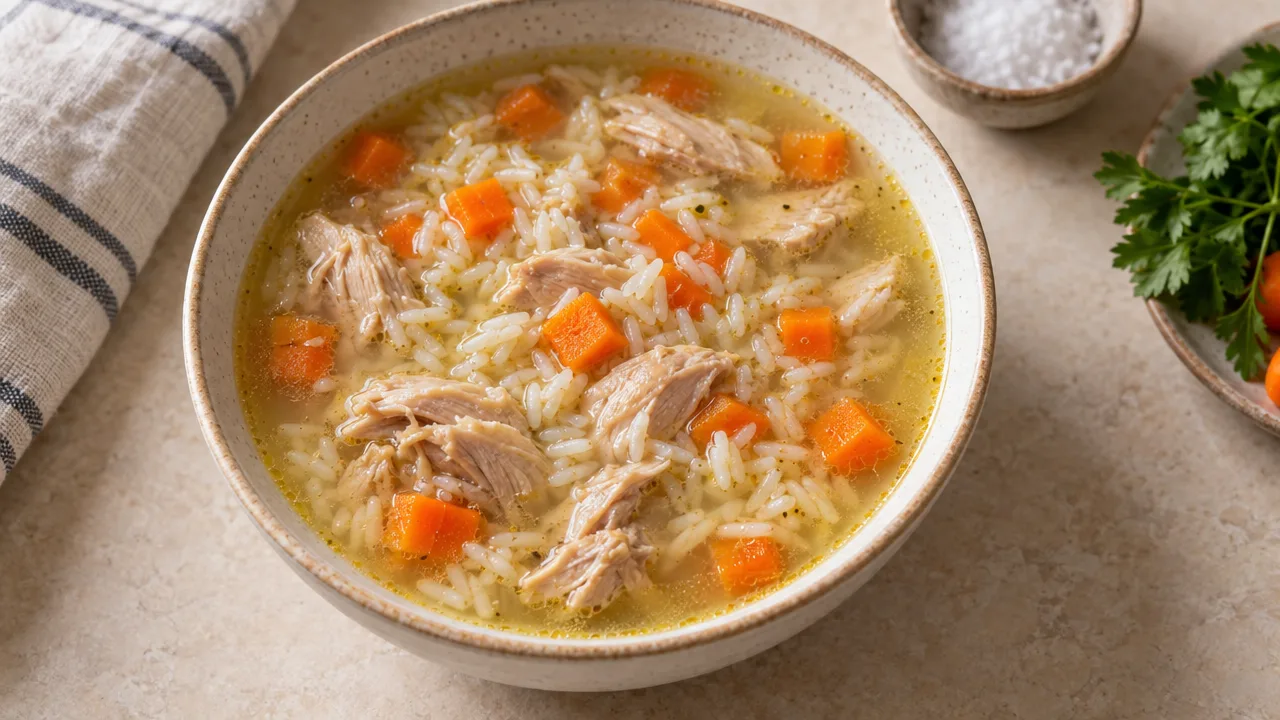
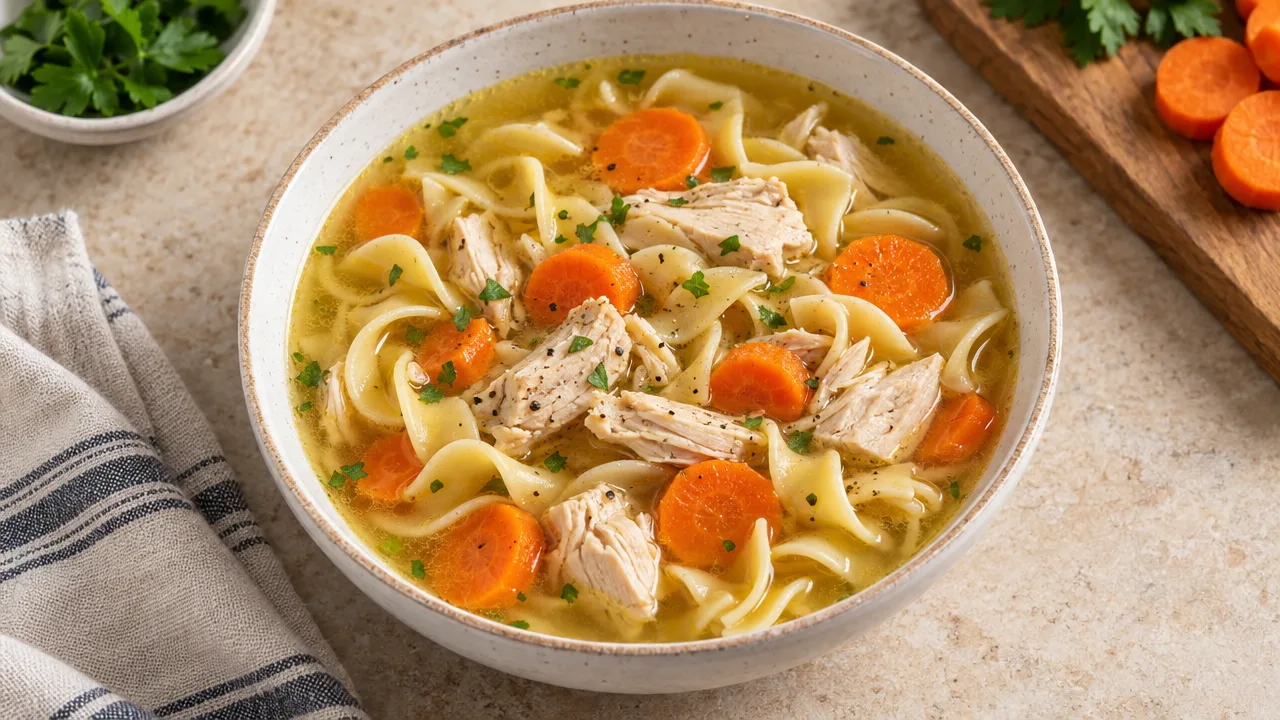
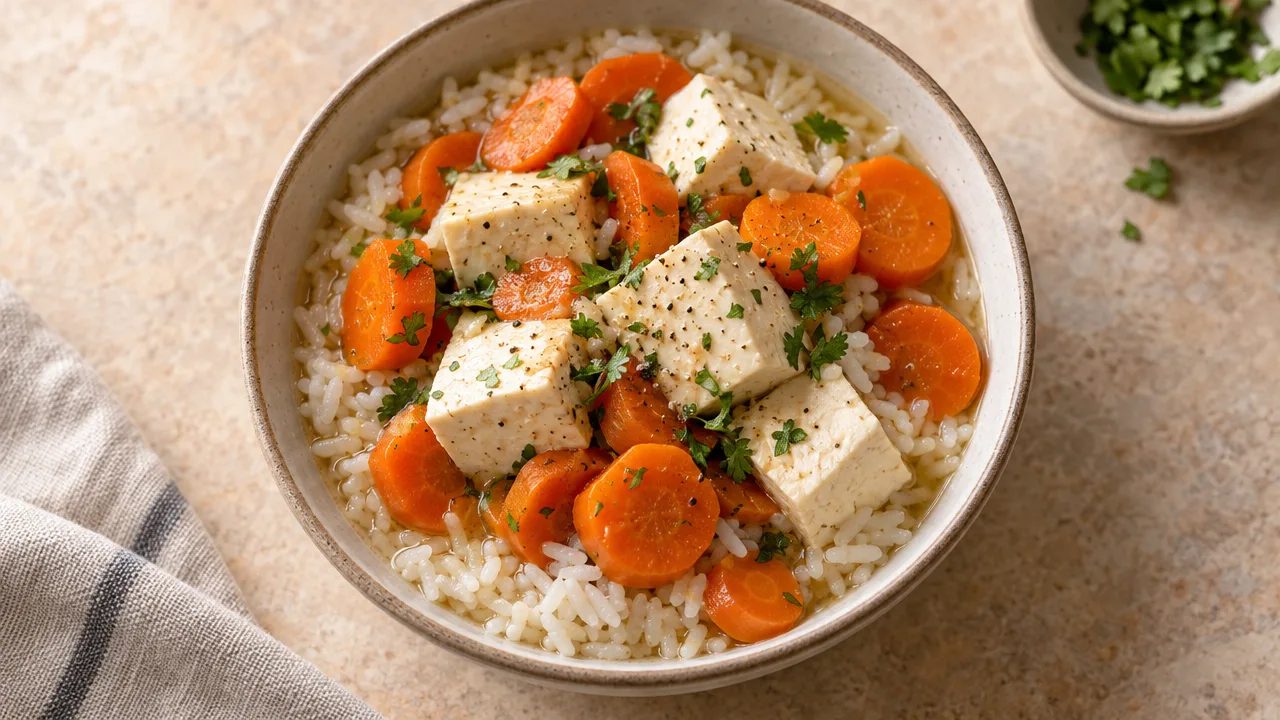
Recipes that use carrots
Sources
- Low-Fiber Diet: What It Is and Foods To Eat (Cleveland Clinic)
- FODMAP food list (Monash FODMAP)
Written by Jude Horak, a UC patient. Sources last checked 2026-08-12. Spotted an error? Tell me.