Can I eat brussels sprouts with ulcerative colitis?
By Jude Horak, UC patient. Sources checked 2026-08-12.
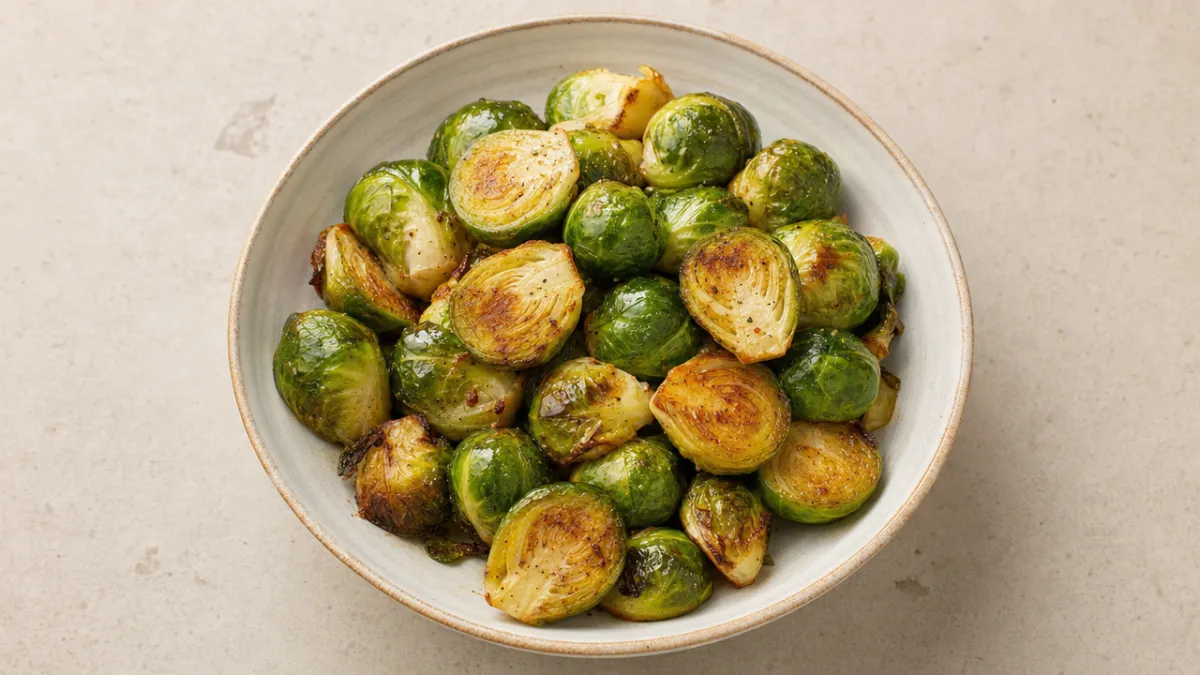
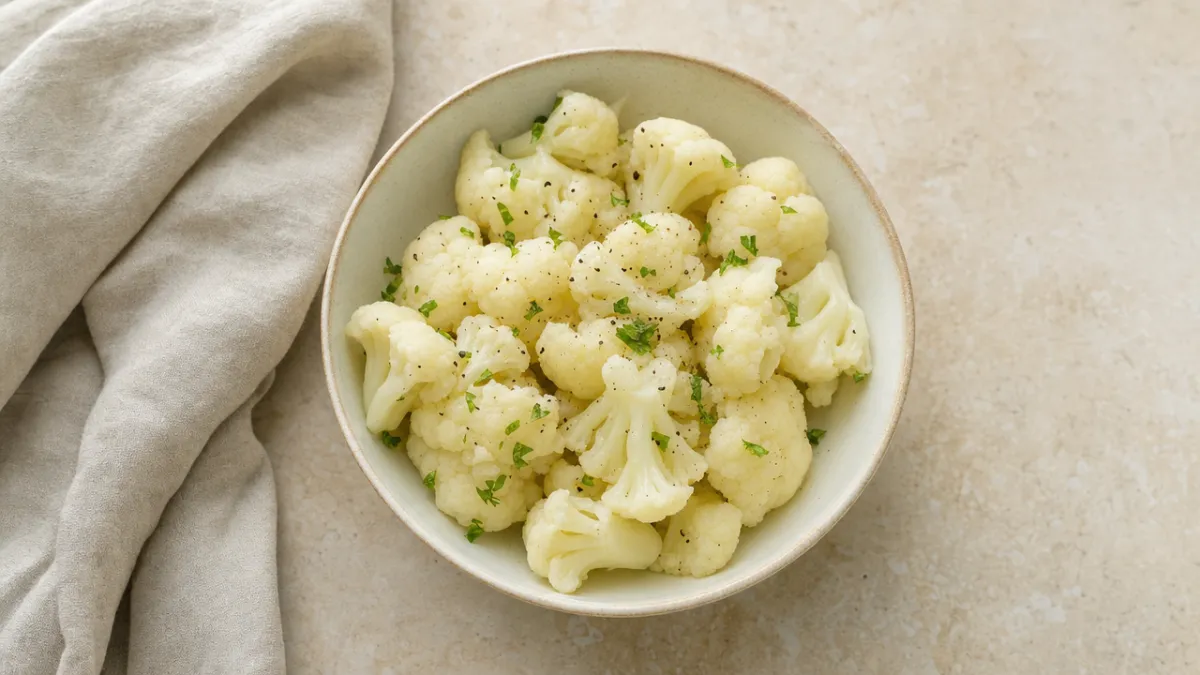
Brussels sprouts belong to the same cruciferous family as broccoli, cabbage, and cauliflower, which Cleveland Clinic names as common gas producers because of sulfur compounds and tough, insoluble-fiber-heavy leaves. Raw or firm-textured vegetables are also flagged to avoid during active symptoms on low-fiber diet guidance.
During a flare
Generally avoided during a flare, especially raw or shredded; if tolerated at all, use very small, soft-cooked amounts.
In remission
Reintroduce cooked Brussels sprouts slowly and in small portions, watching for gas and bloating.
What the research says about brussels sprouts and UC
Brussels sprouts are, in effect, miniature cabbages, and the evidence about them is the evidence about cabbage and its relatives. Cleveland Clinic's page on gas and gas pain lists Brussels sprouts by name among the foods most likely to produce gas, grouping them with broccoli, cabbage, cauliflower, and beans as foods rich in sugars that the small intestine cannot break down. Their tightly packed leaves are also dense in insoluble fiber, and Cleveland Clinic's low-fiber diet guidance directs people away from raw and fibrous vegetables when fiber must be limited. A raw shaved sprout salad checks both boxes; a sprout roasted until it is soft all the way through checks only one.
There is no study of Brussels sprouts in ulcerative colitis behind either source, so the avoid rating during a flare is an inference from general gas and fiber guidance combined with how often patients report trouble with cruciferous vegetables. The sources do not address cooking method, but the structure of the sprout suggests why it matters: whole sprouts often end up charred outside and firm inside, which leaves the dense core of insoluble fiber largely intact. Halving or quartering them lets heat reach the center. Even fully softened, the fermentable sugars remain, so gas can follow a portion that felt fine texturally.
Ways to make it gentler
- cook until very soft (roasting or steaming)
- quarter or shred before cooking to speed softening
Safer swaps
- cooked green beans
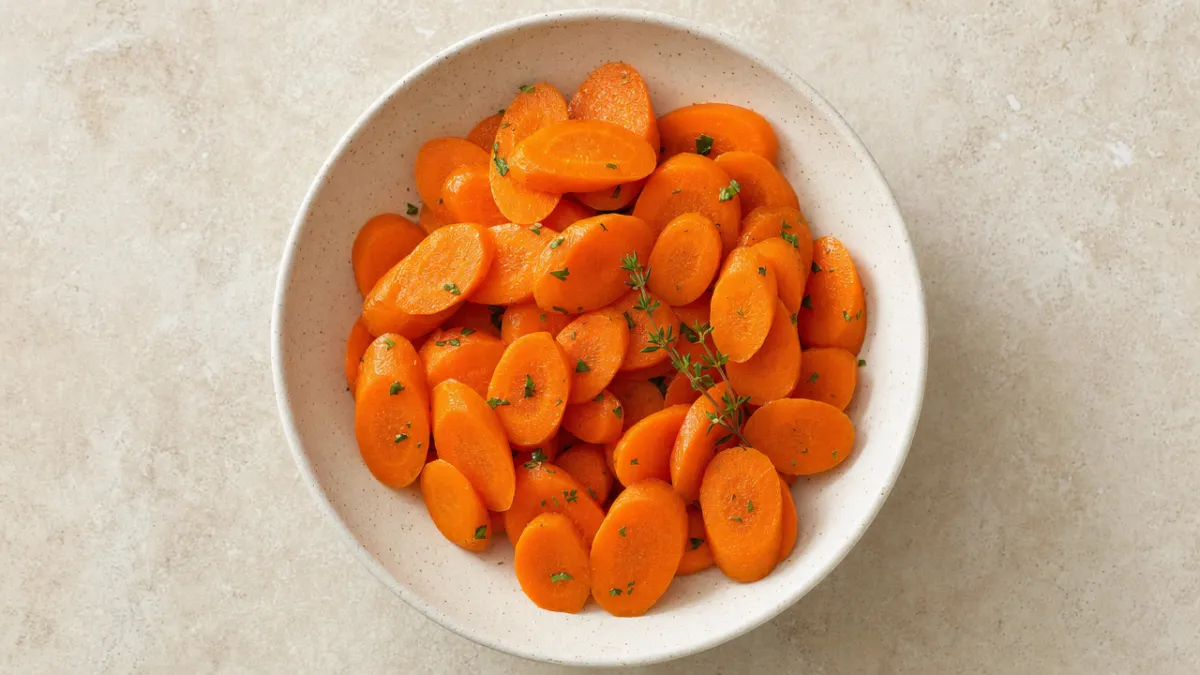
- cooked carrots
How I handle brussels sprouts
Brussels sprouts are a holiday food for me now, in the sense that I only eat them when I am well and I keep the portion small even then. During a flare I do not test them at all. When I am stable, I cut them in half or quarters and roast or steam them until the centers are soft, and I stop at five or six pieces rather than a full side plate. The trendy version, deep-fried and crispy with balsamic glaze or bacon, is the one I approach most carefully, since it stacks fat and sugar on top of a gassy vegetable. Shaved raw sprout salads I skip regardless. I have noticed that sprouts are a food where the meal that follows matters: if I have them at dinner I keep the rest of the day plain, so I can tell what did what.
How much, and how to test it
Wait for remission, then try three or four sprout halves cooked until the center is soft, with an otherwise plain meal. The 24 to 72 hour window is for tracking gas, bloating, and cramping rather than urgency specifically. If that goes well, move to half a cup, then to crispier roasted versions. Keep any glazes, bacon, or fried preparations as a separate step. If bloating or cramps show up, drop back to a smaller amount or shelve sprouts for a few weeks and retry.
What you get from brussels sprouts
Brussels sprouts are unusually rich in vitamin K and vitamin C, with a good amount of folate and some potassium, for around 40 calories per 100 grams. Vitamin K supports bone health, which matters after corticosteroid use, and folate is easy to run low on with active inflammation. They carry more fiber than most vegetables at nearly 4 grams per 100 grams, which is exactly why a small portion is the sensible way to collect those nutrients.
Why this one shows up on trigger lists
Brussels Sprouts is flagged for 2 of the properties that most commonly cause UC symptoms. Each page explains the mechanism and lists every other food that carries it.
Questions people ask about brussels sprouts and UC
Can I eat Brussels sprouts with ulcerative colitis?
In remission, many people manage a small portion cooked until fully soft. During a flare they are generally left out, because they combine two common trigger mechanisms: fermentable sugars that produce gas and dense insoluble fiber in the packed leaves. Cleveland Clinic lists them among the most gas-producing foods for anyone. Halved, well-cooked sprouts in a modest amount are the version most likely to work.
Are roasted Brussels sprouts easier to digest than steamed?
Not necessarily. Roasting develops flavor, but whole roasted sprouts often stay firm in the center, leaving the insoluble fiber intact, while steaming or braising halves tends to soften them through. The crispy, leafy edges people love are the driest, most fibrous part. For a gentle reintroduction, steamed or braised halves that a fork slides into are more predictable than a tray of crispy whole sprouts.
Why do Brussels sprouts cause bloating?
They contain raffinose, a sugar the small intestine cannot absorb, so it ferments in the colon and produces gas, and their sulfur compounds add the characteristic smell. Their leaves are also packed with fiber that adds bulk. For most people that means ordinary bloating; with an inflamed colon it can mean cramping and urgency. Portion size is the main lever, since cooking softens fiber but leaves the sugars behind.
Are shredded Brussels sprouts okay in a salad with UC?
Raw shaved sprouts are the version most likely to cause trouble, because they combine the cruciferous gas problem with fully intact raw fiber that low-fiber guidance suggests avoiding during active symptoms. Even in remission, raw sprout salad is a later-stage food for many people. If you want the shredded texture, wilting the shreds in a hot pan for a few minutes makes them considerably easier to handle.
Sources
- Gas and Gas Pain: Causes, What It Feels Like, Location, Treatment (Cleveland Clinic)
- Low-Fiber Diet: What It Is and Foods To Eat (Cleveland Clinic)
Written by Jude Horak, a UC patient. Sources last checked 2026-08-12. Spotted an error? Tell me.