Can I eat mushrooms with ulcerative colitis?
By Jude Horak, UC patient. Sources checked 2026-08-12.
Have Crohn's instead? Jump to the Crohn's notes
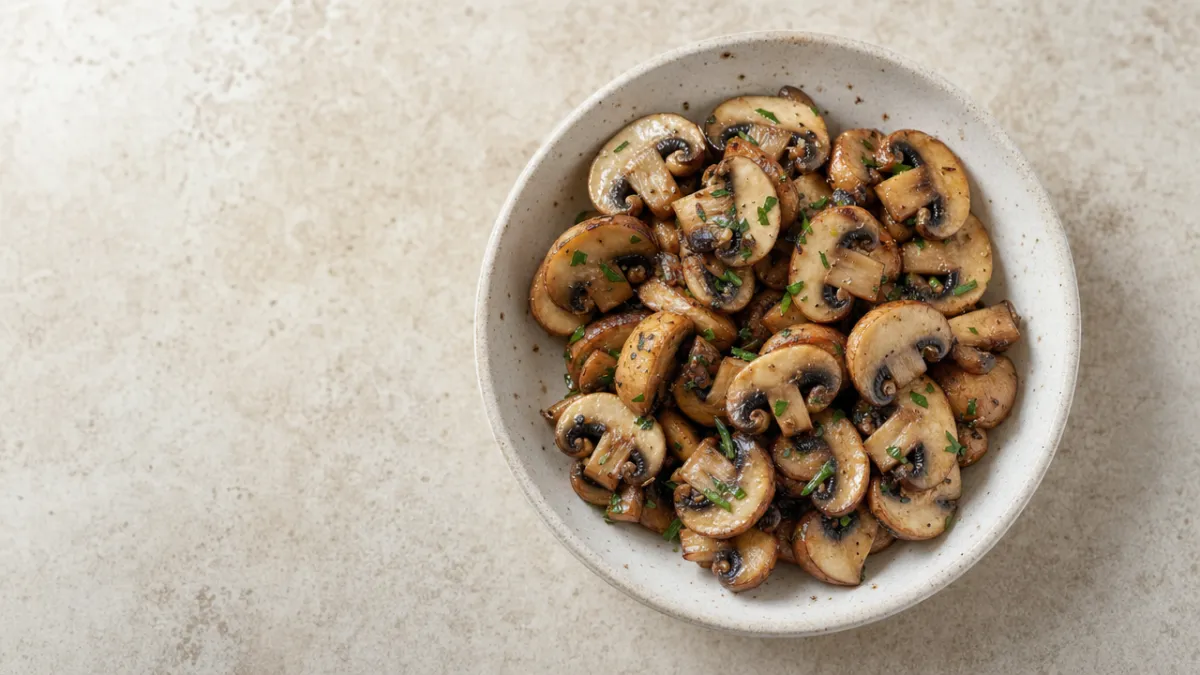
Mushrooms are particularly rich in mannitol, a sugar-alcohol FODMAP that Monash FODMAP research identifies as a common driver of bloating and loose stools when it ferments in the gut. Cooked, small portions are generally easier to manage than large or raw amounts.
During a flare
Best limited or avoided during a flare, especially raw; small, well-cooked portions may be better tolerated if you choose to try them.
In remission
Tolerance is dose-dependent and individual; keep portions modest and watch for bloating.
What the research says about mushrooms and UC
Mushrooms earn a caution rating in both flare and remission for a reason that is specific and well characterized. Monash FODMAP's food list rates common mushrooms such as button, portobello, and shiitake as high FODMAP because of mannitol, a sugar alcohol that is poorly absorbed in the small intestine and pulls water into the gut while bacteria ferment it, producing gas, bloating, and looser stools. The Monash list also shows this is a matter of variety and processing: oyster mushrooms tested low FODMAP, and canned champignon mushrooms tested low because mannitol leaches into the canning liquid. That is a useful detail for anyone who wants to keep mushrooms on the menu.
The American Gastroenterological Association's IBD diet tips do not mention mushrooms specifically; they support the general approach of introducing foods one at a time in small portions and paying attention to what follows, which is exactly how a dose-dependent food like this needs to be handled. The Monash data comes from IBS research, and there is no study of mushrooms in ulcerative colitis behind either source. The rating here reflects a clear mechanism and common patient reports, not evidence that mushrooms harm the colon. Cooking softens texture but does not remove mannitol, so portion size is the lever, not preparation.
If you have Crohn's instead of UC
I have UC, not Crohn's, so this part is research rather than experience.
With Crohn's, mushrooms raise a texture question that UC does not, and it applies to people with a stricture. The mannitol issue described on this page is not specific to either condition. What differs is that mushroom flesh is springy and rubbery, and chewing tends to leave it in firm pieces rather than a soft mash. Shiitake and portobello stems are tougher still, much like the vegetable stalks Crohn's & Colitis UK lists among foods people with a narrowing may be advised to avoid. The AGA's 2024 practice update says people with symptomatic strictures may not tolerate fibrous plant foods because of their texture, and that careful chewing and cooking or processing produce to a soft consistency may help.
That points toward mushrooms minced finely or blended into a smooth soup, stems removed, rather than thick slices or whole caps. Neither source names mushrooms directly, so a dietitian's view of your own stricture carries weight here.
Based on: American Gastroenterological Association (AGA); Crohn's & Colitis UK; National Institutes of Health (PMC), from Frontiers in Nutrition 2023. More on how Crohn's and UC diets differ.
Ways to make it gentler
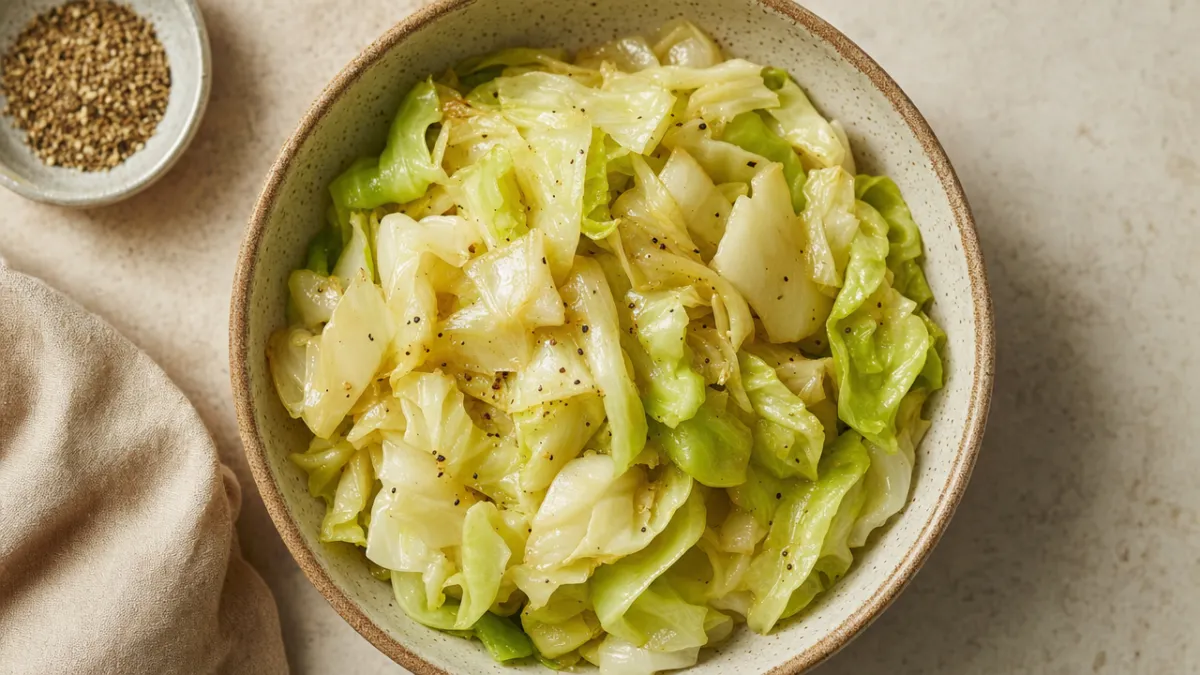
- cook thoroughly
- keep portions small
Safer swaps
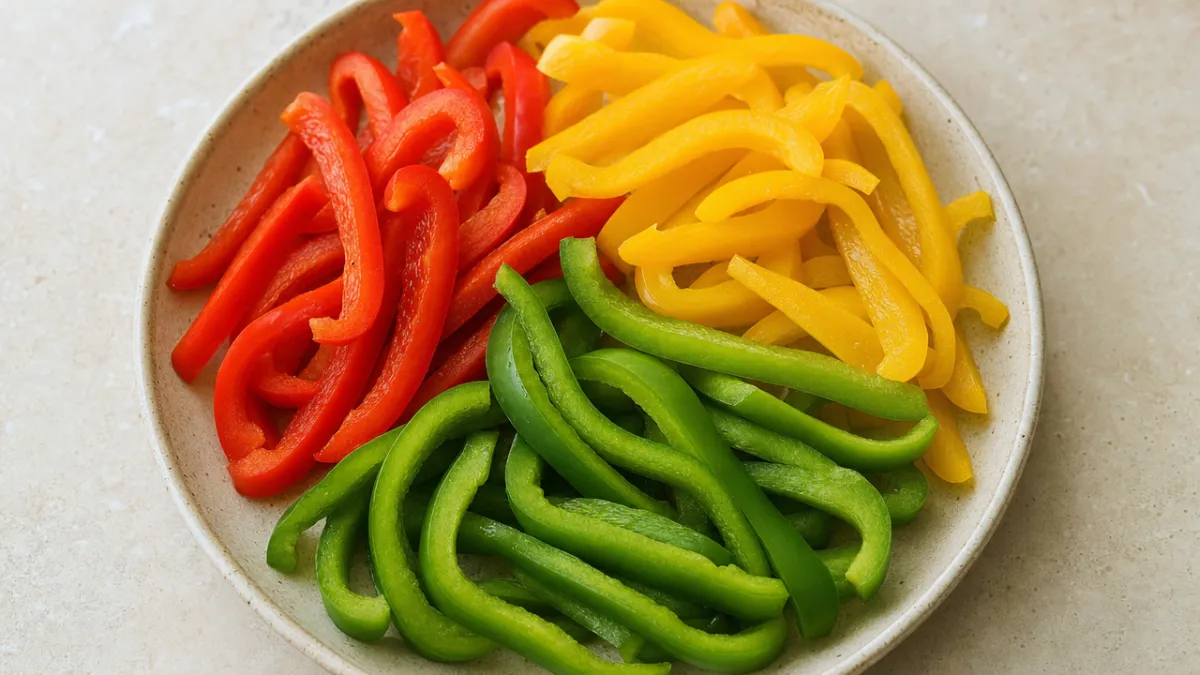
- cooked zucchini
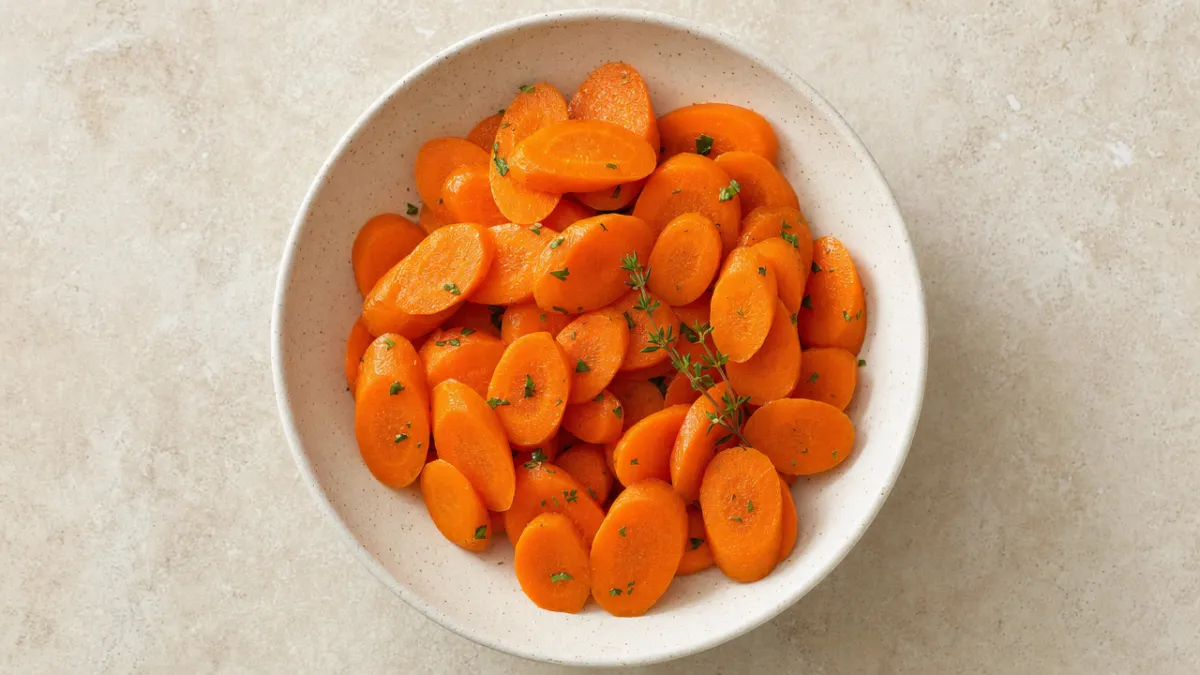
- cooked carrots
How I handle mushrooms
Mushrooms are a food where I have accepted that a little is fine and a lot is not, and where the type matters more than I expected. I keep oyster mushrooms in rotation because they have tested low FODMAP, and I cook them until they are soft and browned. Button and portobello mushrooms I use sparingly, a few slices in a dish rather than a mushroom-heavy meal, and never during a flare. Cream of mushroom anything is a remission-only food, since cream and usually onion come along for the ride. The thing I have learned to watch is the day after a mushroom-heavy restaurant meal: a risotto or a stroganoff can carry a cup or more of mushrooms without it looking like much on the plate. Raw mushrooms in salad are not something I bother with at all.
How much, and how to test it
Start in a stable period with a small amount, about four or five slices of cooked mushroom, or a quarter cup of oyster or canned mushrooms if you want the lower-mannitol option first. Watch the next 24 to 48 hours for bloating and looser stools, the typical mannitol effects. If it passes, try a third of a cup, then half a cup of common mushrooms. A mushroom-heavy dish is a later, separate test. If bloating or loose stools return, drop back to the amount that was fine or switch to a lower-FODMAP variety.
What you get from mushrooms
Mushrooms contribute B vitamins, especially riboflavin, niacin, and pantothenic acid, along with selenium, potassium, and copper, for about 22 calories per 100 grams. Mushrooms exposed to ultraviolet light also supply vitamin D, which is relevant for bone health after steroid courses and is commonly low in people with IBD. They offer a little protein for a vegetable but not enough to matter, so they do not help with weight or replace meat.
Why this one shows up on trigger lists
Mushrooms is flagged for 2 of the properties that most commonly cause UC symptoms. Each page explains the mechanism and lists every other food that carries it.
Questions people ask about mushrooms and UC
Are mushrooms bad for ulcerative colitis?
They are not known to cause inflammation, but common mushrooms are high in mannitol, a sugar alcohol that ferments in the colon and draws in water, so bloating and looser stools are frequently reported. Small portions of well-cooked mushrooms are manageable for many people in remission. Oyster mushrooms and canned mushrooms test low FODMAP and are the easier options for anyone who wants to keep them on the menu.
Which mushrooms are low FODMAP?
According to Monash FODMAP testing, oyster mushrooms are low FODMAP at a normal serving, and canned champignon mushrooms test low as well, because much of the mannitol leaches into the liquid. Button, portobello, and fresh shiitake test high at typical servings. Dried shiitake have a small low FODMAP serving. Checking the Monash app for current serving sizes is worth doing, since they update the data as they retest foods.
Do cooked mushrooms cause less bloating than raw?
Cooking softens mushrooms and makes them easier to chew and break down, but it does not reduce mannitol, so the fermentation and water-drawing effect stays roughly the same for the same weight. Cooked mushrooms shrink, which makes it easy to eat more of them, so a cooked portion can actually carry more mannitol than the raw amount looked like. Portion, not preparation, is the main control.
Can I eat mushroom soup with colitis?
It depends on the recipe. Cream of mushroom soup typically combines a large amount of mushrooms with cream, butter, and onion, which stacks a mannitol load with fat and fructans. A small cup in remission might be fine; a bowl during a flare is unlikely to be. A clear broth with a few oyster mushroom slices is a gentler way to get the flavor if you want to test it.
Is there research on mushrooms and Crohn's strictures?
Not directly. A 2023 systematic review in Frontiers in Nutrition searched for nutrition studies in adults with stricturing Crohn's and found only five, none of which tested fiber restriction or a low-residue diet. Advice about chewy or fibrous foods like mushrooms therefore rests on clinical judgment rather than trials. That does not make the advice wrong, but it does mean the right level of caution is individual, and it is usually set with a dietitian who knows where the stricture is and how narrow it has become.
Sources
- FODMAP food list (Monash FODMAP)
- Inflammatory bowel disease (IBD): Diet tips (American Gastroenterological Association)
- Diet and nutritional therapies in patients with IBD (American Gastroenterological Association (AGA))
- Food and Crohn's or Colitis (Crohn's & Colitis UK)
- Nutritional interventions in adult fibrostenotic Crohn's disease: A systematic review (National Institutes of Health (PMC), from Frontiers in Nutrition 2023)
Written by Jude Horak, a UC patient. Sources last checked 2026-08-12. Spotted an error? Tell me.