Can I eat peanut butter with ulcerative colitis?
By Jude Horak, UC patient. Sources checked 2026-08-12.
Also searched as: nut butter.
Have Crohn's instead? Jump to the Crohn's notes
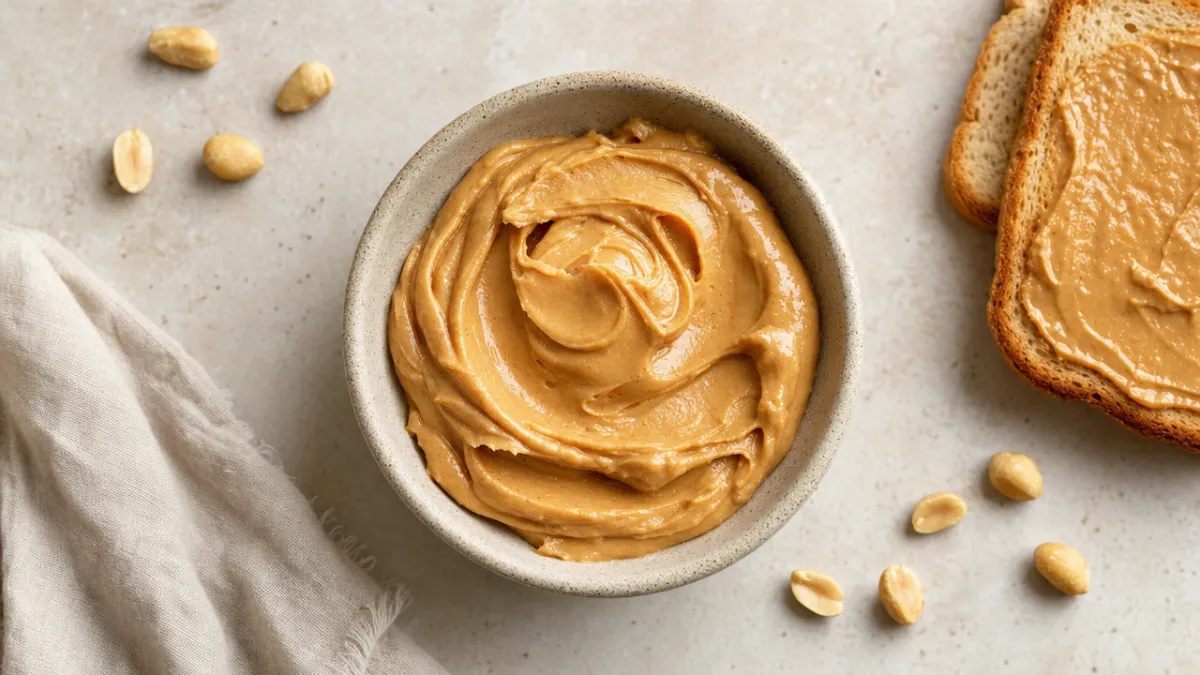
Smooth peanut butter is specifically named as an easy-to-digest, energy-dense flare food because it has no whole nut pieces or skins to add insoluble fiber, unlike crunchy versions or whole nuts. Nut butters generally are listed among the recommended protein sources to focus on when protein needs rise during active disease.
During a flare
Smooth peanut butter (for example with rice crackers) is called out as a good energy- and protein-dense flare snack; crunchy peanut butter contains nut pieces that behave more like whole nuts and may be harder to tolerate.
In remission
Both smooth and crunchy peanut butter are generally fine in remission for most people; those who find whole nuts irritating may still prefer smooth.
What the research says about peanut butter and UC
Smooth peanut butter gets a specific mention from the Gastrointestinal Society (badgut.org), which lists it among energy-dense, easy-to-digest foods for a flare and contrasts it with whole nuts, whose skins and hard pieces contribute insoluble fiber. The Crohn's & Colitis Foundation includes nut butters in its list of protein sources to focus on when disease is active, and it separately lists whole nuts among foods commonly harder to tolerate during a flare. That pairing explains the site's verdict: the same ingredient behaves differently depending on whether it is ground smooth or left in pieces.
As with most foods on this site, the support is dietitian guidance rather than trial evidence, and neither organization cites a study of peanut butter in ulcerative colitis. The rationale is textural and nutritional: grinding removes the mechanical irritation of nut fragments, and the fat and calories help counter weight loss. Peanuts are technically legumes, but peanut butter is generally regarded as low FODMAP at a two-tablespoon serving, so the GOS concern that applies to beans does not apply here in the same way. Two things the sources do not address are worth flagging. Some brands add hydrogenated oils and sugar, which do not change tolerability much but matter for overall diet quality, and the fat content is high enough that very large amounts can be heavy during a flare, even in the smooth form the guidance recommends.
If you have Crohn's instead of UC
I have UC, not Crohn's, so this part is research rather than experience.
Smooth peanut butter usually works with Crohn's, but with a stricture the crunchy kind is a bigger deal than it is in UC, and not only during flares. Cleveland Clinic's low-fiber guide lists crunchy peanut butter among the foods to avoid and smooth peanut butter among the lower-fiber choices, and it explains that people with strictures want food broken into small particles so nothing gets stuck. A crunchy spread is essentially whole peanut pieces suspended in a smooth one.
So while crunchy peanut butter is generally fine in UC remission, someone with a known narrowing may be advised to stay with smooth for as long as the narrowing is there. Watch for foods that sneak whole peanuts back in, such as cookies with chopped nuts, satay garnishes, and granola bars.
Based on: Cleveland Clinic; Cleveland Clinic; National Institutes of Health (PMC), from Nutrients 2024. More on how Crohn's and UC diets differ.
Ways to make it gentler
- Choose smooth over crunchy during a flare
Safer swaps
- smooth almond butter
How I handle peanut butter
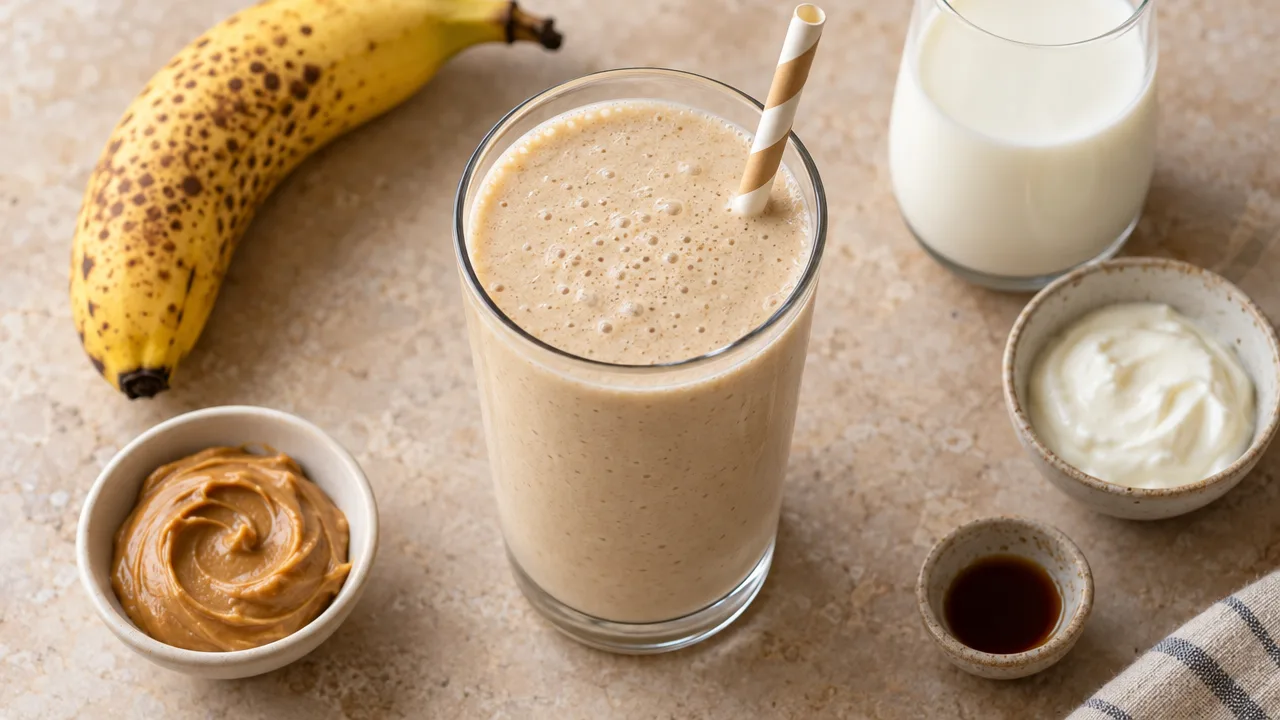
Peanut butter is my go-to for calories when I am losing weight and nothing sounds appealing. A spoonful straight from the jar, or spread on rice cakes or white toast, is an easy 200 calories with some protein that I can manage even on days when a full meal is not happening. During a flare I stick with smooth, and I keep the serving to a tablespoon or two, because I have noticed that a thick layer feels heavier than a thin one. Crunchy peanut butter waits for remission, when the nut pieces stop mattering to me, and I do eat it then without a second thought. The brand question I settled by reading labels once: I buy the kind with peanuts and salt only, mostly for taste, and I stir the oil in rather than pouring it off. Peanut butter in a smoothie with banana is another way I get calories in on a rough morning.
How much, and how to test it
One tablespoon of smooth peanut butter on a rice cake, plain cracker, or white toast is a sensible first serving. Choose a brand with a short ingredient list to keep the test clean. Over the following day or two note any bloating, cramping, or a feeling of heaviness, which tends to reflect the fat rather than the peanuts. If that passes, move to two tablespoons, then try it with banana or in oatmeal, and leave crunchy peanut butter and whole peanuts until remission. A sense of greasiness or loose stool at the larger serving is a reason to return to one tablespoon.
What you get from peanut butter
Two tablespoons of peanut butter provide about seven to eight grams of protein, 16 grams of fat that is mostly unsaturated, and around 190 calories, plus magnesium, vitamin E, niacin, and some iron. That calorie density is the point during a flare: it is one of the easiest ways to slow unintended weight loss without volume. The fat is also why portions matter while inflamed. Natural brands without added sugar keep the nutrition profile cleanest.
Why this one shows up on trigger lists
Peanut butter is flagged for one of the properties that most commonly cause UC symptoms. Each page explains the mechanism and lists every other food that carries it.
Questions people ask about peanut butter and UC
Is peanut butter good for an ulcerative colitis flare up?
Smooth peanut butter is one of the flare snacks that patient organizations name directly, because it packs calories and protein into a soft, low-fiber form. A tablespoon or two on rice cakes or white toast is the typical suggestion. Crunchy versions contain nut pieces that behave like whole nuts and are usually held back until symptoms settle. Larger amounts can feel heavy because of the fat.
Is crunchy peanut butter bad for colitis?
During a flare, crunchy peanut butter is a less good choice than smooth, because the nut pieces add insoluble fiber and hard fragments that an inflamed colon may not handle well, the same reason whole nuts are commonly limited. In remission most people eat crunchy without any issue. If you prefer crunchy, testing it once you have been stable for a while is the sensible order.
Is peanut butter okay with ulcers or an inflamed gut?
This site covers ulcerative colitis, which is different from stomach ulcers, though people search both. For an inflamed colon, smooth peanut butter is generally considered gentle and is recommended for its calories. Anyone with a stomach or duodenal ulcer should ask their own doctor, since that condition follows different advice. In either case, the smooth form and modest portions are the least likely to cause discomfort.
Are other nut butters as good as peanut butter for IBD?
Smooth almond, cashew, and sunflower seed butters work in the same way as smooth peanut butter: ground fine, calorie dense, low in insoluble fiber. Almond butter has slightly more fiber and a tighter low FODMAP portion limit than peanut butter, while cashew butter is higher in FODMAPs at larger servings. Peanut butter tends to be the cheapest and the most widely tolerated, but the choice can follow taste and any allergy.
Is peanut butter a problem for kidney stones with Crohn's disease?
It can be for a specific group. When small-bowel Crohn's or an ileal resection leaves fat poorly absorbed, the unabsorbed fatty acids bind calcium in the gut, which frees more oxalate to be absorbed, and a 2024 study by Siener and colleagues linked longer ileal resections to higher oxalate absorption. Cleveland Clinic lists nuts and nut butters among the high-oxalate foods to limit with this kind of hyperoxaluria. This mainly concerns people with fat malabsorption, a resection, or a history of stones, so it is worth asking your team before dropping peanut butter.
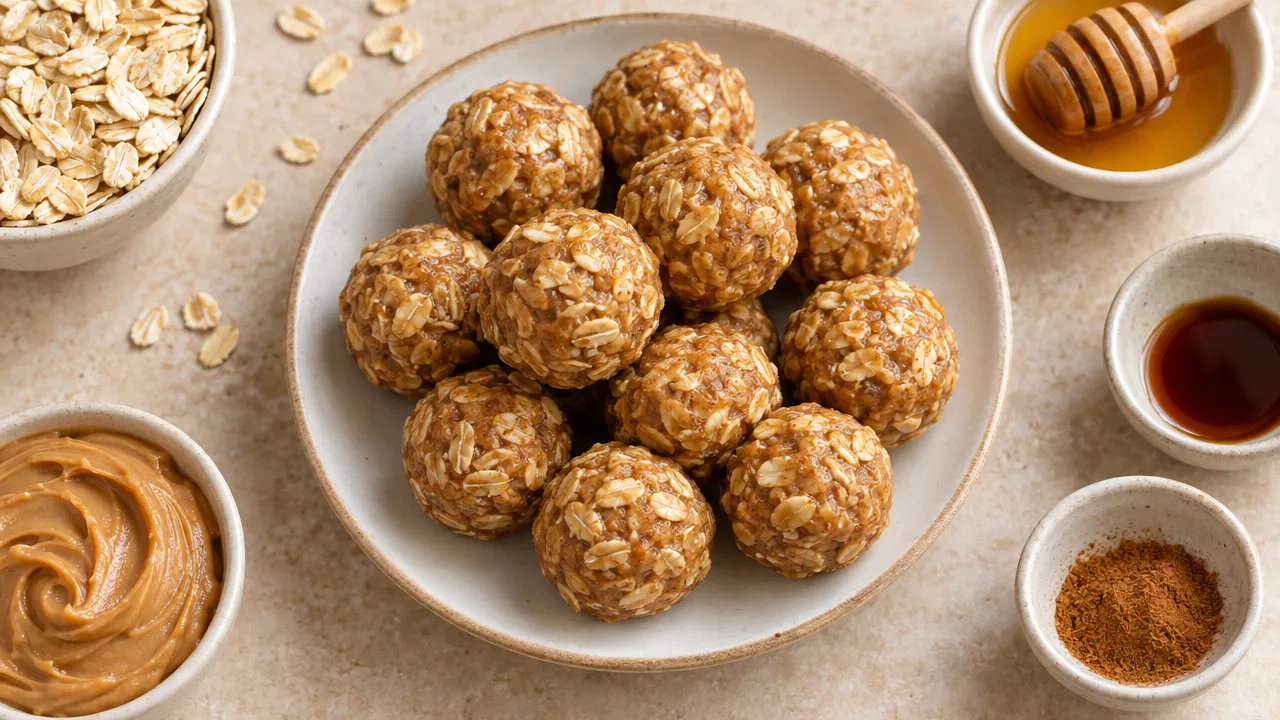
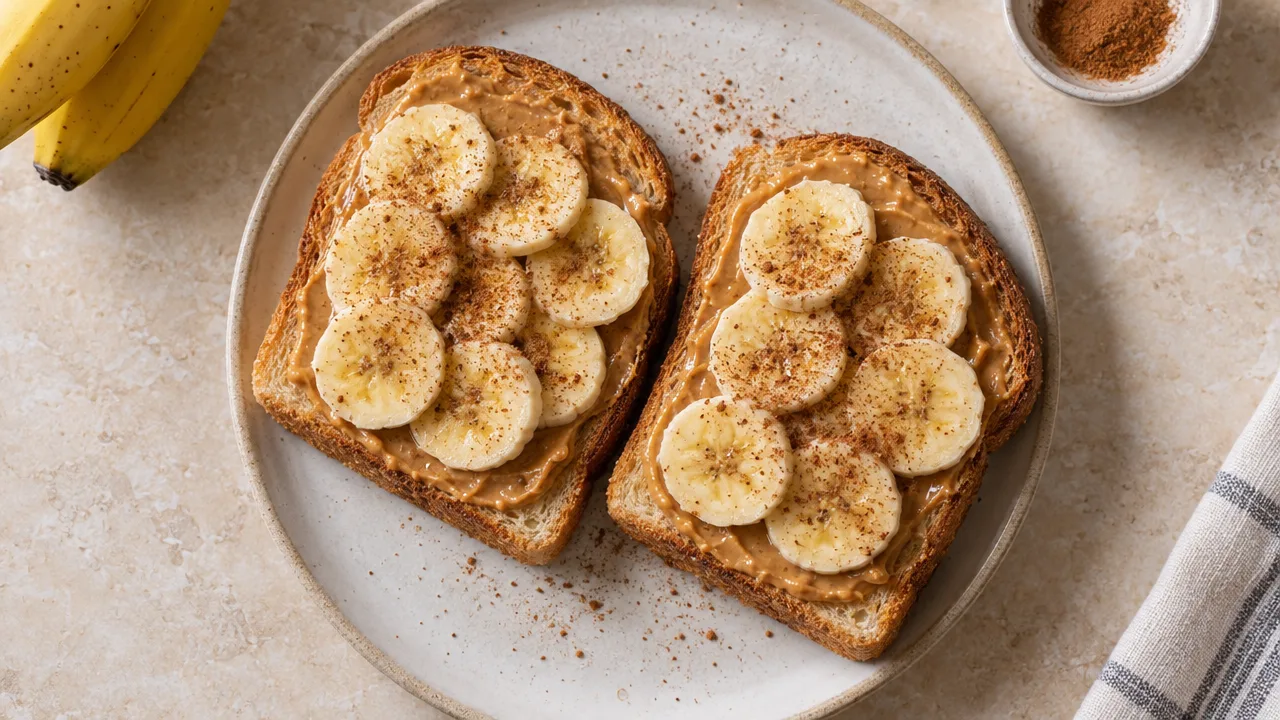
Recipes that use peanut butter
Sources
- Inflammatory Bowel Disease Nutrition Tips (Crohn's Disease and Ulcerative Colitis) (Gastrointestinal Society (badgut.org))
- What Should I Eat with Crohn's or Colitis? IBD Diet Guide (Crohn's & Colitis Foundation)
- How To Follow a Low-Fiber Diet (Cleveland Clinic)
- Hyperoxaluria (Cleveland Clinic)
- Intestinal Oxalate Absorption, Enteric Hyperoxaluria, and Risk of Urinary Stone Formation in Patients with Crohn's Disease (National Institutes of Health (PMC), from Nutrients 2024)
Written by Jude Horak, a UC patient. Sources last checked 2026-08-12. Spotted an error? Tell me.