Can I eat pears with ulcerative colitis?
By Jude Horak, UC patient. Sources checked 2026-08-12.
Have Crohn's instead? Jump to the Crohn's notes
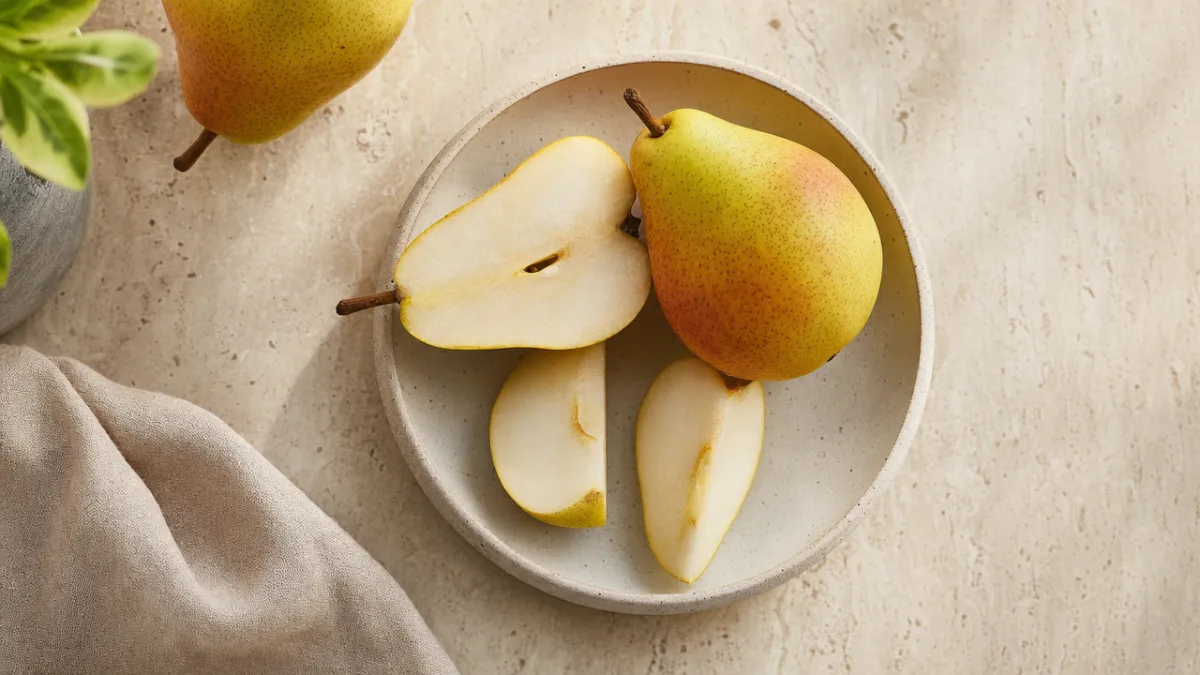
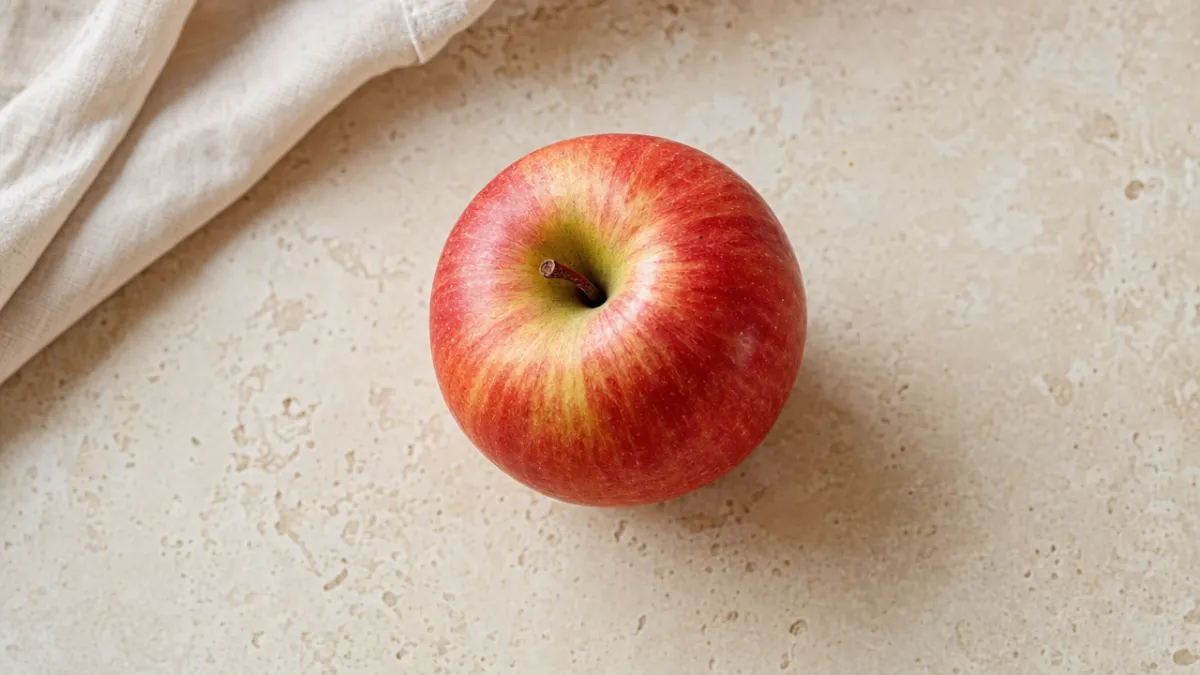
Pear skin is high in insoluble fiber, and the fruit is naturally high in sorbitol and excess fructose, sugars that act as a natural laxative and are a commonly reported trigger for loose stools and gas.
During a flare
Peeled, cooked pear (or canned pear in juice) is a commonly recommended soft flare food; raw, unpeeled pear is usually limited.
In remission
Sorbitol content means some people notice a laxative effect even in remission; portion and ripeness can be adjusted to tolerance.
What the research says about pears and UC
Pears are a two-problem fruit, and the two sources cover one problem each. The NHS dietary advice leaflet for ulcerative colitis from Milton Keynes University Hospital advises peeling fruit and choosing stewed or tinned versions during active symptoms, and that applies straightforwardly to pears, whose skin is thicker and grittier than an apple's. The Monash University FODMAP list handles the other issue: pears are rated high-FODMAP at a standard serving because of both sorbitol and excess fructose, putting them in the same bracket as apples and cherries. Sorbitol in particular is a sugar alcohol that is poorly absorbed and draws water into the bowel, which is why pear juice is sometimes suggested for constipation.
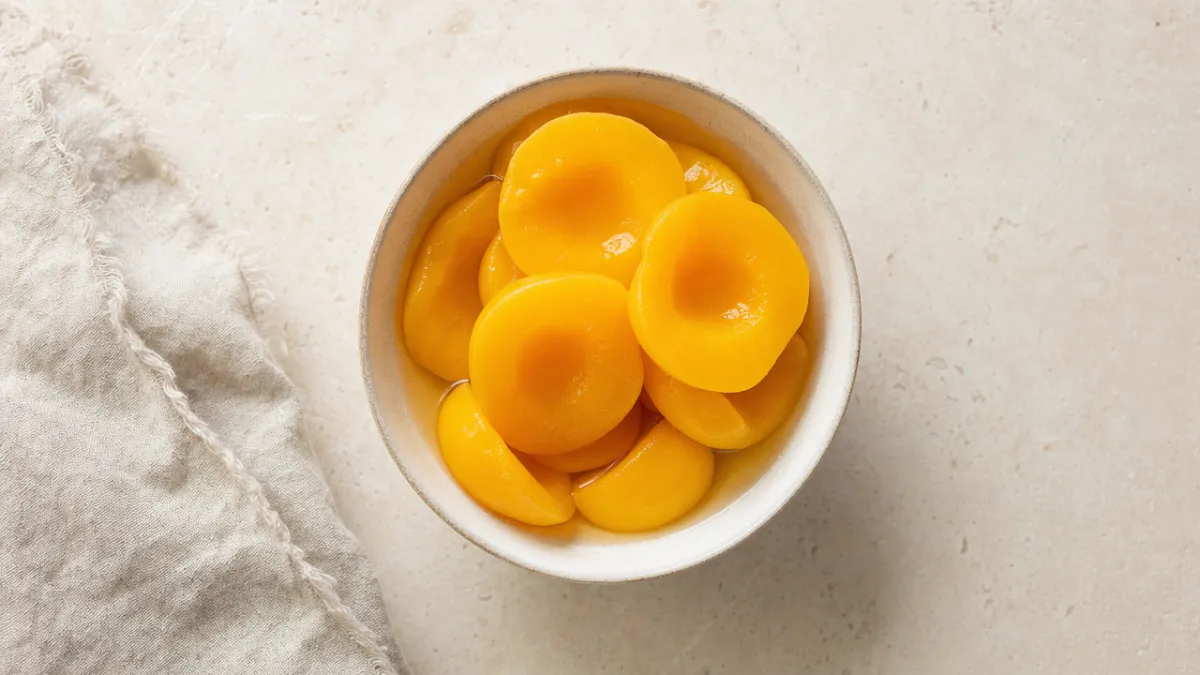
The Monash classification comes from IBS research rather than UC studies, and neither source ran a trial with pears in colitis patients. The extrapolation is reasonable because the mechanism, osmotic water draw plus fermentation, is not specific to any diagnosis, and a colon already inflamed by UC has less tolerance for it. What this means in practice is that the standard fix of peeling and cooking only solves half the problem. Canned pears in juice show up on flare lists because the skin is gone and the flesh is soft, but the sorbitol is still there. Someone who reacts to sorbitol may find canned pears loosen things while canned peaches do not.
If you have Crohn's instead of UC
I have UC, not Crohn's, so this part is research rather than experience.
For Crohn's, pears change mainly if you have a stricture, and then the skin becomes a concern in remission as well as during a flare. Crohn's & Colitis UK includes fruit skins among the foods people with a narrowing may be advised to avoid, and pear skin is thick with insoluble fiber. Firm raw pears also have a gritty, sandy flesh that softens as the fruit ripens or is cooked.
Canned pears in juice sidestep most of this, because the skin is gone and heat has softened the flesh. Cleveland Clinic, which says people with strictures want food broken into small particles, counts canned fruit among its lower-fiber choices. What a stricture does not change is the sorbitol. The laxative effect described for UC applies just as much with Crohn's, so a narrowing adds a texture question on top of it.
Based on: Crohn's & Colitis UK; Cleveland Clinic. More on how Crohn's and UC diets differ.
Ways to make it gentler
- Peel before eating
- Cook or can in juice for a gentler option
Safer swaps
- canned-peaches
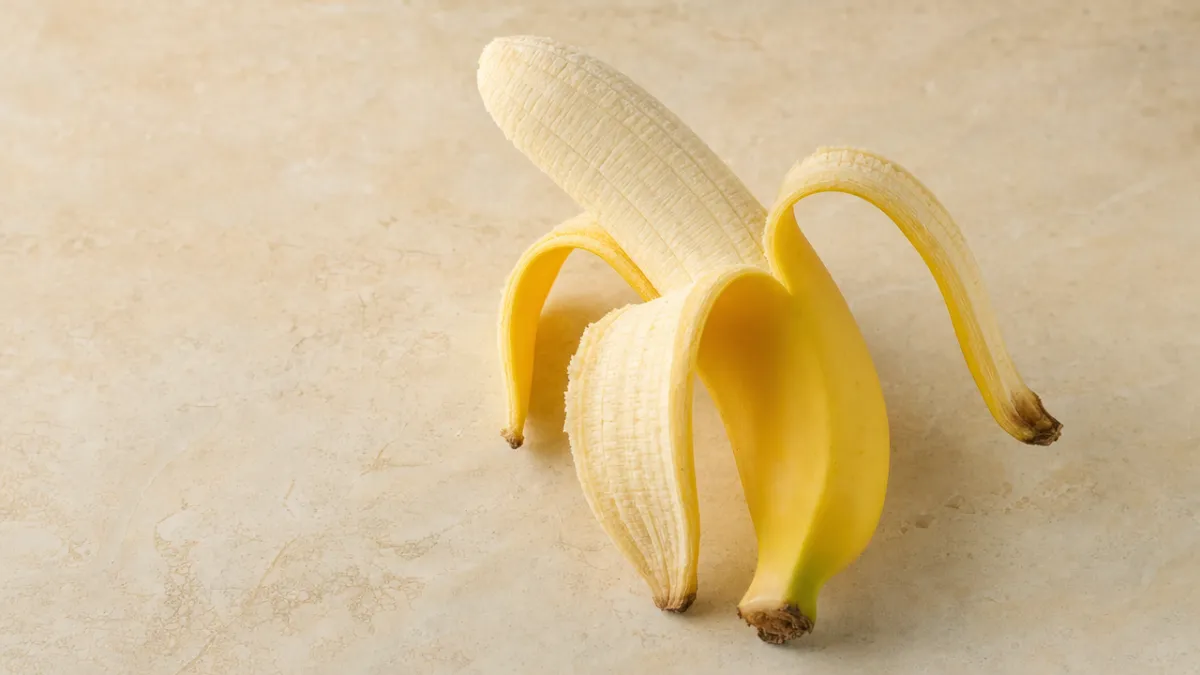
- banana
How I handle pears
Pears are a fruit I approach with more suspicion than their soft reputation deserves, mostly because of the sorbitol. Canned pears in juice are on every flare list and they do go down easily, but I keep to a small portion and pay attention afterward, because a laxative effect is the last thing I need during a flare. In remission I eat fresh pears peeled and ripe, cut into slices, and usually with a meal rather than alone. I skip the skin most of the time; it is grainy in a way apple skin is not and I do not miss it. Ripeness matters more with pears than with most fruit, so I wait until they give slightly at the neck. Half a pear is my normal serving. If I want the sweet, soft thing without the sorbitol question, canned peaches do the same job.
How much, and how to test it
Start with a quarter cup of canned pear in juice or a few slices of peeled, cooked pear, eaten with a meal. Over the next day or two, watch specifically for looser or more frequent stools and gurgling, which point to the sorbitol and fructose rather than fiber. If that is quiet, move to half a peeled fresh pear, then a whole one, and only then try a bite with the skin. A reaction at any step means holding at the previous portion; sorbitol sensitivity does not usually improve with pushing.
What you get from pears
A medium pear provides around 100 calories, about 5 to 6 grams of fiber (a large share of it in the skin), some vitamin C, a little potassium, and roughly 85 percent water. The soluble fiber in the flesh can help firm stools for people who tolerate the fruit. Pears also carry a few grams of sorbitol, which is not a nutrient but is the reason for their laxative reputation. They offer no protein or iron worth counting.
Why this one shows up on trigger lists
Pears is flagged for 3 of the properties that most commonly cause UC symptoms. Each page explains the mechanism and lists every other food that carries it.
Questions people ask about pears and UC
Can you eat pear skin with ulcerative colitis?
During a flare, it is commonly advised to peel pears, along with most other fruit, because the skin is dense insoluble fiber and pear skin is particularly gritty. In remission, some people go back to eating the skin without issue. Even then, peeling only addresses the fiber; the sorbitol and fructose are in the flesh, so a peeled pear can still loosen stools for people sensitive to those sugars.
Why do pears give me diarrhea?
The most likely reason is sorbitol, a sugar alcohol that pears contain in unusually high amounts, combined with more fructose than glucose. Neither is absorbed well in the small intestine, so they reach the colon, pull in water, and ferment. The result is looser stools and gas, and the effect is stronger when the colon is already inflamed. Smaller portions eaten with a meal reduce it, but do not eliminate it for everyone.
Are canned pears okay during a colitis flare?
They are commonly listed as a flare-friendly fruit because the skin is removed and the flesh is soft. That deals with the fiber concern well. The sorbitol remains, however, so canned pears can still have a mild laxative effect for some people. If canned peaches sit fine and canned pears do not, that difference is a useful clue that sorbitol, not fiber, is your trigger.
Is a ripe pear easier to digest than a firm one?
Generally, yes. As a pear ripens the flesh softens and the starches convert to sugars, so there is less to chew and less structural fiber to break down. The sugar and sorbitol content does not fall with ripening, though, so a ripe pear is gentler on texture but not on the fermentation side. For someone whose issue is fiber, ripeness helps; for someone whose issue is sorbitol, it changes little.
Is pear juice easier than whole pears with a Crohn's stricture?
On texture, usually yes. Crohn's & Colitis UK lists fruit juice among the easier fiber sources for people with a narrowing, and pulp-free pear juice leaves no skin or grit behind. The trade-off is sugar. Juice keeps the sorbitol and excess fructose of the whole fruit in a form that is quick to drink, so a large glass can loosen stools. A small glass alongside a meal is the more cautious way to find out how it sits.
Sources
- Dietary Advice for Ulcerative Colitis (NHS (Milton Keynes University Hospital))
- FODMAP food list (Monash University FODMAP)
- Food and Crohn's or Colitis (Crohn's & Colitis UK)
- How To Follow a Low-Fiber Diet (Cleveland Clinic)
Written by Jude Horak, a UC patient. Sources last checked 2026-08-12. Spotted an error? Tell me.