Can I eat pizza with ulcerative colitis?
By Jude Horak, UC patient. Sources checked 2026-08-12.
Have Crohn's instead? Jump to the Crohn's notes
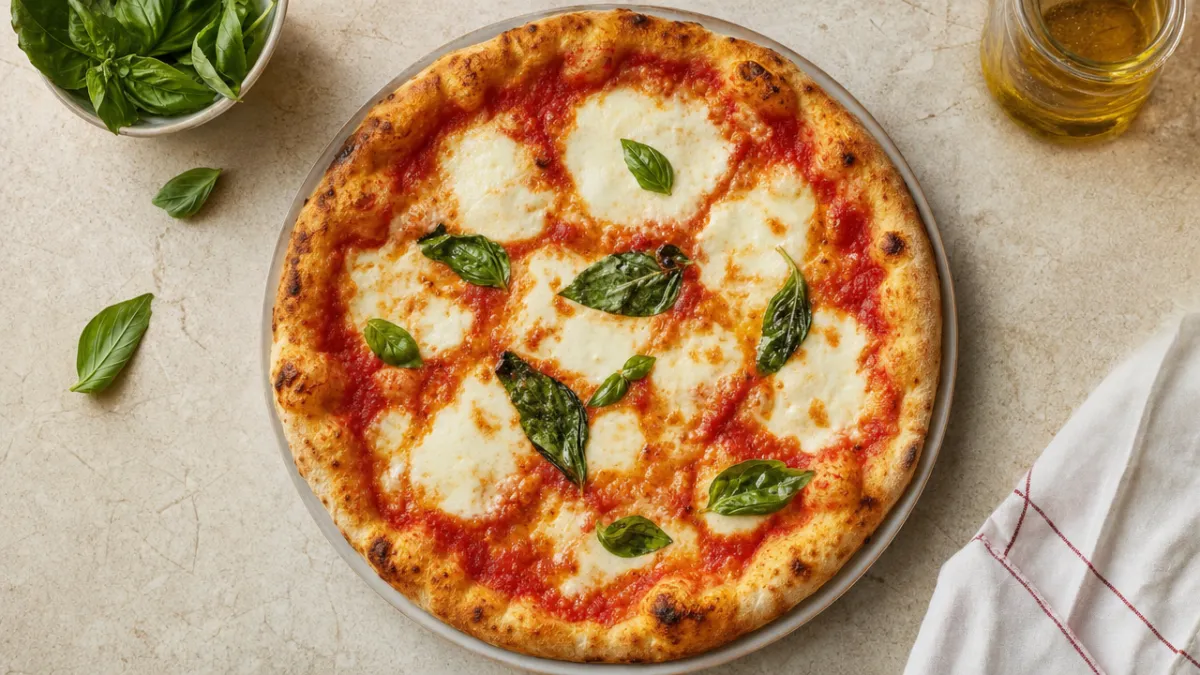
A typical slice combines several commonly reported triggers at once: melted whole-fat cheese, greasy toppings, and a refined-flour crust. High-fat foods like cheesy dishes are frequently listed as symptom triggers, and lactose intolerance is more common in people with IBD, which can add to cheese-related discomfort. Thin, plain-cheese pizza sits lighter on the gut than thick, deep-dish, or meat-loaded versions.
During a flare
Rich, cheese-heavy pizza is often harder to tolerate during a flare because of its combined fat and dairy load.
In remission
Many people reintroduce pizza in remission using thin crust, lighter cheese, and well-cooked toppings, watching for a dairy or fat-related reaction.
What the research says about pizza and UC
Cleveland Clinic's guide to foods that commonly worsen Crohn's symptoms names high-fat and cheesy dishes among the usual offenders, and pizza is close to the textbook example: cheese, oil, and often processed meat on a refined crust. That guidance is written for Crohn's disease and for IBD in general rather than from a pizza-specific study, so the fit to ulcerative colitis is by extension. The mechanism the clinic describes, fat that is incompletely absorbed reaching the colon and drawing in water, applies just as well to a greasy slice as to fried chicken.
The dairy piece has more direct research behind it. A systematic review in PMC on milk and dairy in inflammatory bowel disease found that people with IBD restrict dairy far more often than the evidence justifies, and that lactose intolerance is more common in IBD than in the general population but is not universal. The reviewers did not find strong evidence that dairy itself drives flares. For pizza this cuts both ways: if you are lactose intolerant, the melted mozzarella can add gas and loose stools, but if you are not, the cheese may be less of a problem than the grease pooling on top. No source in this entry has tested pizza directly in people with UC.
If you have Crohn's instead of UC
I have UC, not Crohn's, so this part is research rather than experience.
For Crohn's, pizza raises the same fat and cheese questions as UC, plus one more if you have a stricture: what the crust is made of and what sits on top. Cleveland Clinic's low-fiber guidance lists whole grains, whole seeds, and vegetables with skins or seeds among the foods to avoid, and a single pizza can gather all three through a whole-wheat or seed-dusted crust, raw bell pepper strips, and slices of fresh tomato. A plain white-flour crust is far lower in fiber than a whole-wheat one.
With a narrowing, the gentler slice tends to be a thin white crust with sauce, cheese, and soft, well-cooked toppings. Without a stricture, the topping list matters much less, and the fat and dairy guidance elsewhere on this page applies as written.
Based on: Cleveland Clinic; National Institutes of Health (PMC), from Nutrition Journal 2016; Cleveland Clinic. More on how Crohn's and UC diets differ.
Ways to make it gentler
- Choose thin crust over thick or stuffed crust
- Go light on cheese or use a lactose-free alternative
- Pick well-cooked vegetable toppings over greasy meats
Safer swaps
- flatbread with light cheese
- homemade pizza with lactose-free cheese
How I handle pizza
Pizza is the meal I most often get asked about, and my rule is that the toppings decide the outcome more than the word pizza does. When things are calm, a thin-crust cheese slice or two with well-cooked vegetables tends to be fine for me, and I blot the surface with a napkin, which genuinely removes a surprising amount of oil. I stay away from pepperoni, sausage, and anything described as loaded or stuffed, because that is where the fat piles up. During a shaky patch I do not order pizza at all; instead I make a flatbread at home with tomato sauce, a light scatter of lactose-free or hard cheese, and a few soft roasted vegetables, which gives me the same craving hit with maybe a third of the fat. Ordering out, I ask for light cheese and no extra oil, and I stop at two slices.
How much, and how to test it
One thin-crust slice of plain cheese, eaten at lunch rather than late at night, is a sensible first test in remission. Keep the rest of the day boring so you can attribute any change. Over the next 24 to 48 hours watch for bloating and gas, which point toward the cheese, versus cramping and urgent loose stools, which point more toward fat. If it goes well, try two slices the following week, then add a mild topping such as mushroom or ham. If symptoms appear after the first slice, pause pizza for a few weeks and try a lactose-free version to sort out which ingredient was responsible.
What you get from pizza
A cheese slice delivers calories, protein, and calcium, all of which are useful when a flare has pulled your weight down, and the calcium matters more if you have been on steroids, which can weaken bone. Tomato sauce contributes a little potassium and vitamin C. The trade is saturated fat and sodium, both high in most takeout pizza. Choosing a thin crust and modest cheese keeps the protein and calcium while trimming the fat that tends to cause trouble.
Why this one shows up on trigger lists
Pizza is flagged for 2 of the properties that most commonly cause UC symptoms. Each page explains the mechanism and lists every other food that carries it.
Questions people ask about pizza and UC
Can you eat pizza with ulcerative colitis?
Many people with UC eat pizza in remission by changing how it is built: thin crust, light cheese, no processed meat, and a couple of slices rather than half the box. During an active flare most people skip it because the fat and dairy load lands on a gut that is already inflamed. Homemade or flatbread versions with lactose-free cheese give the most control over what goes in.
Does pizza trigger an ulcerative colitis flare?
Pizza is more likely to worsen symptoms in a gut that is already inflamed than to start a flare from a calm baseline; that distinction matters. A greasy meal can bring on cramping and loose stools within hours, which feels like a flare but usually settles in a day or two. If symptoms persist beyond that, or bleeding increases, that is disease activity rather than the pizza, and worth reporting to your care team.
Can you eat cheese with colitis?
Cheese tolerance mostly comes down to lactose. Hard, aged cheeses such as parmesan, aged cheddar, and Swiss contain very little lactose and are tolerated by many people who react to milk. Mozzarella on pizza is a softer, moister cheese with more lactose, though still less than a glass of milk. If cheese seems to bother you, trying a small amount of an aged variety on its own is a cleaner test than judging it from a loaded slice.
Is cheese pizza low fiber?
Yes, a plain cheese pizza on a standard white-flour crust is low in fiber, usually around 2 grams per slice, which is one reason it is sometimes suggested on low-residue eating plans. Low fiber does not mean low fat, though, and the fat is what tends to bother people with UC. Whole-wheat crusts and heavy vegetable toppings raise the fiber and may be better saved for remission.
Can you eat pizza with Crohn's disease?
Many people do, and the cheese is where Crohn's can differ from UC. A 2016 meta-analysis of 17 studies found the higher rate of lactose maldigestion in IBD was confined to Crohn's affecting the small bowel. If milk bothers you, a mozzarella-heavy slice may too. Cleveland Clinic notes that lower-lactose cheeses such as Parmesan, cheddar, and Swiss are typically well tolerated during a flare, so a pizza finished with aged cheese, or made with lactose-free mozzarella, is a useful way to test whether lactose is the issue.
Sources
- What Not to Eat If You Have Crohn's Disease (Cleveland Clinic)
- Effects of Milk and Dairy on the Risk and Course of Inflammatory Bowel Disease versus Patients' Dietary Beliefs and Practices: A Systematic Review (PMC (National Library of Medicine))
- How To Follow a Low-Fiber Diet (Cleveland Clinic)
- Systematic review and meta-analysis of lactose digestion, its impact on intolerance and nutritional effects of dairy food restriction in inflammatory bowel diseases (National Institutes of Health (PMC), from Nutrition Journal 2016)
Written by Jude Horak, a UC patient. Sources last checked 2026-08-12. Spotted an error? Tell me.
Next steps
Related foods