Can I eat pork with ulcerative colitis?
By Jude Horak, UC patient. Sources checked 2026-08-12.
Also searched as: pork chop, ground pork.
Have Crohn's instead? Jump to the Crohn's notes
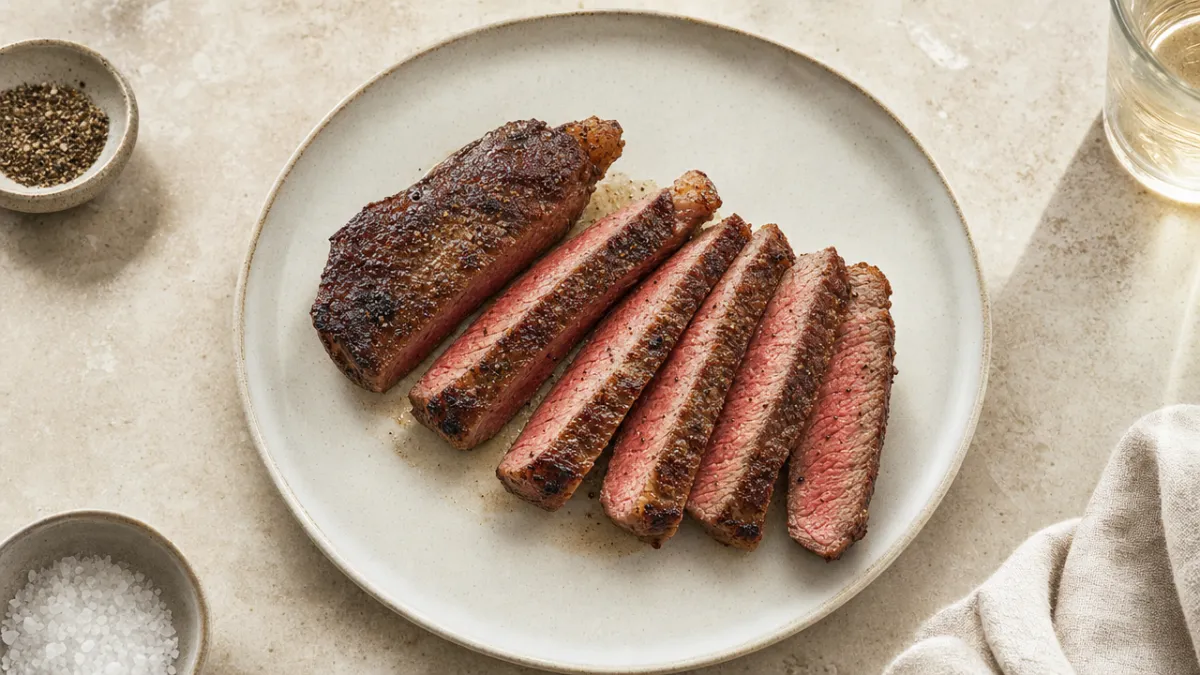
Pork is classified as a red meat alongside beef, lamb, veal, and bison, and IBD dietary guidance names this group as associated with increased inflammation when eaten frequently, with UK guidance separately advising less red meat, fatty meat, or processed meat.
During a flare
Leaner, well-cooked, tender pork in small amounts is easier to manage than fatty or tough cuts during a flare.
In remission
Moderation and variety (rotating in chicken, fish, tofu, or eggs) rather than daily pork is the general recommendation.
What the research says about pork and UC
Pork gets classified as red meat by the Crohn's & Colitis Foundation, in the same group as beef, lamb, veal, and bison, and that group is flagged as associated with increased inflammation when eaten frequently. Crohn's & Colitis UK says something similar from the other side of the Atlantic: eat less red meat, fatty meat, and processed meat, and rotate in fish, poultry, eggs, beans, and lentils. The systematic review and dose-response meta-analysis in PMC that pooled ulcerative colitis studies found higher red meat intake associated with greater risk of developing UC, with a weaker and lower-certainty link to relapse.
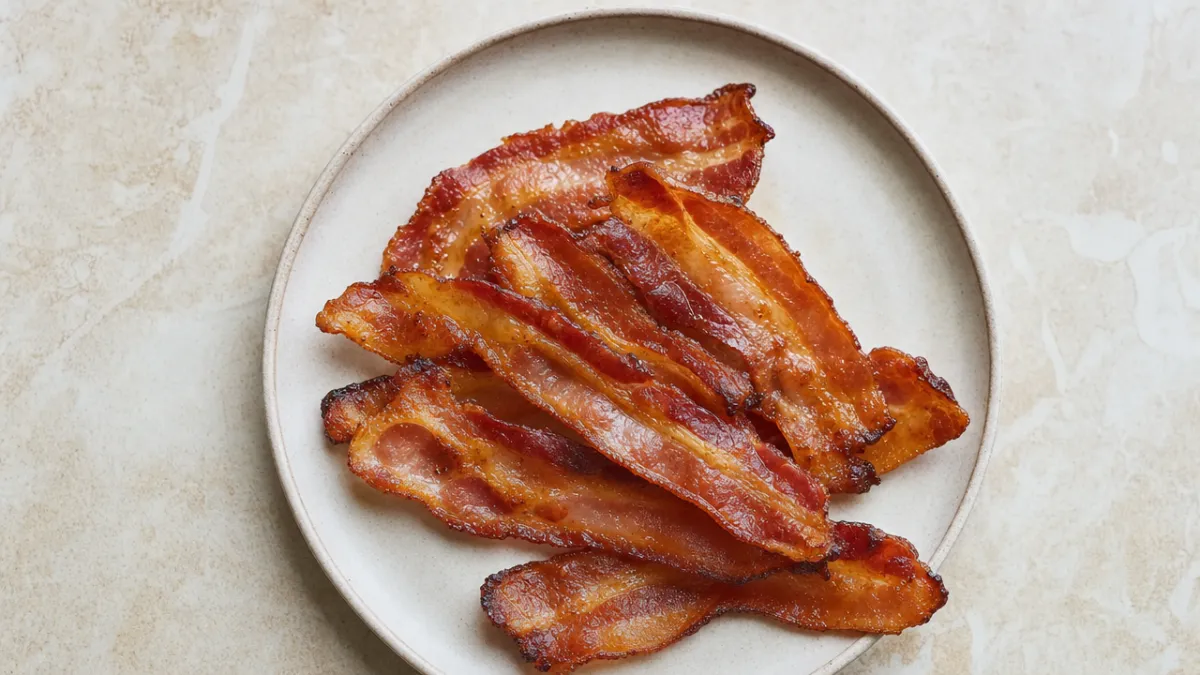
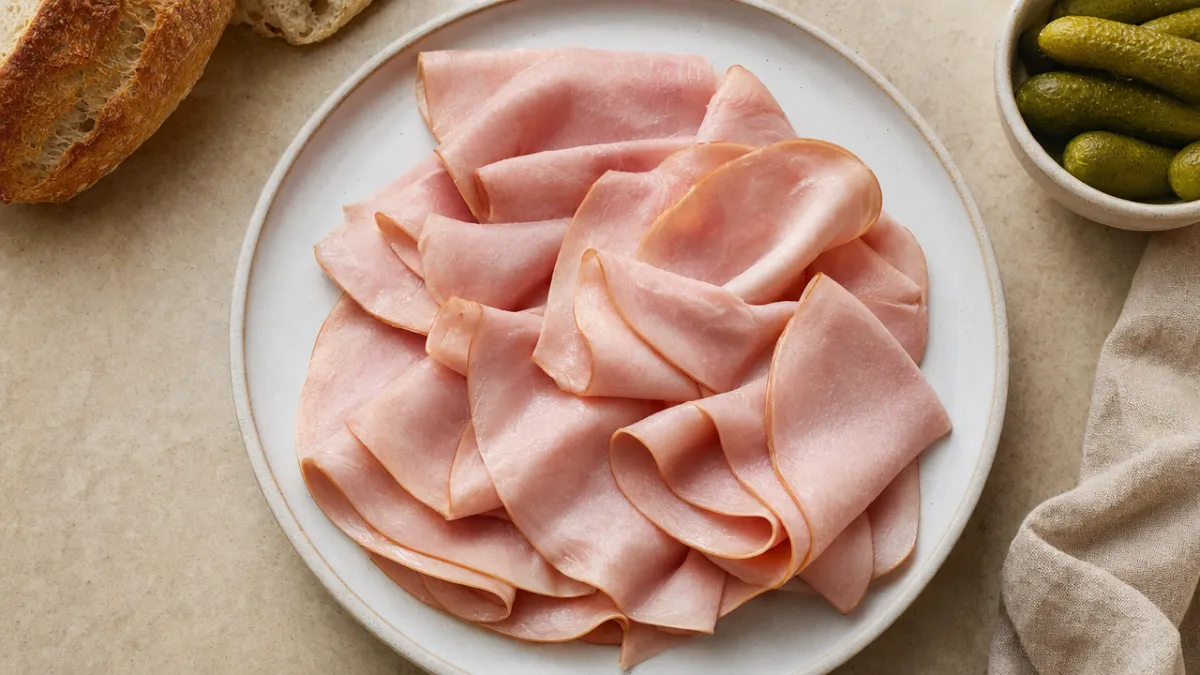
None of those sources studied pork separately, and that is the honest gap on this page. Pork is folded into the red meat category by classification, not because a pork-specific trial exists. Within that category, pork varies more than most meats. Tenderloin is nearly as lean as chicken breast, while shoulder, belly, and ribs are among the fattiest cuts sold. That range means the general red meat caution fits some pork dishes much better than others. A second distinction matters: fresh pork and cured pork are different foods in this guidance. Ham, bacon, and sausage carry the additional processed-meat warning, while a plain roasted tenderloin does not. Readers weighing pork should think about cut and processing rather than the animal.
If you have Crohn's instead of UC
I have UC, not Crohn's, so this part is research rather than experience.
Pork's red-meat label carries less weight for Crohn's than for UC, while its texture can carry more. The AGA's 2024 practice update links eating less red and processed meat to fewer UC flares, but reports no such reduction in Crohn's relapse, so for Crohn's the case against pork leans on fat and toughness rather than on the meat category itself.
Toughness is the part to watch if you have a stricture. Crohn's & Colitis UK names tough or gristly meat among the foods that could block a narrowed gut, and pork produces several of them: crackling and fried rinds, dry overcooked chops, and the connective tissue around ribs. Tenderloin cooked until just done, or shoulder braised until it falls apart and is chopped fine, removes most of that chewing burden. If you are unsure whether you have a narrowing, that is a question for your gastroenterologist.
Based on: American Gastroenterological Association (AGA); Crohn's & Colitis UK; National Institutes of Health (PMC), from Expert Review of Gastroenterology & Hepatology 2014. More on how Crohn's and UC diets differ.
Ways to make it gentler
- Choose lean cuts and trim fat
- Cook until very tender
- Limit portion size and frequency
Safer swaps
- chicken
- turkey
- white fish
- tofu
How I handle pork
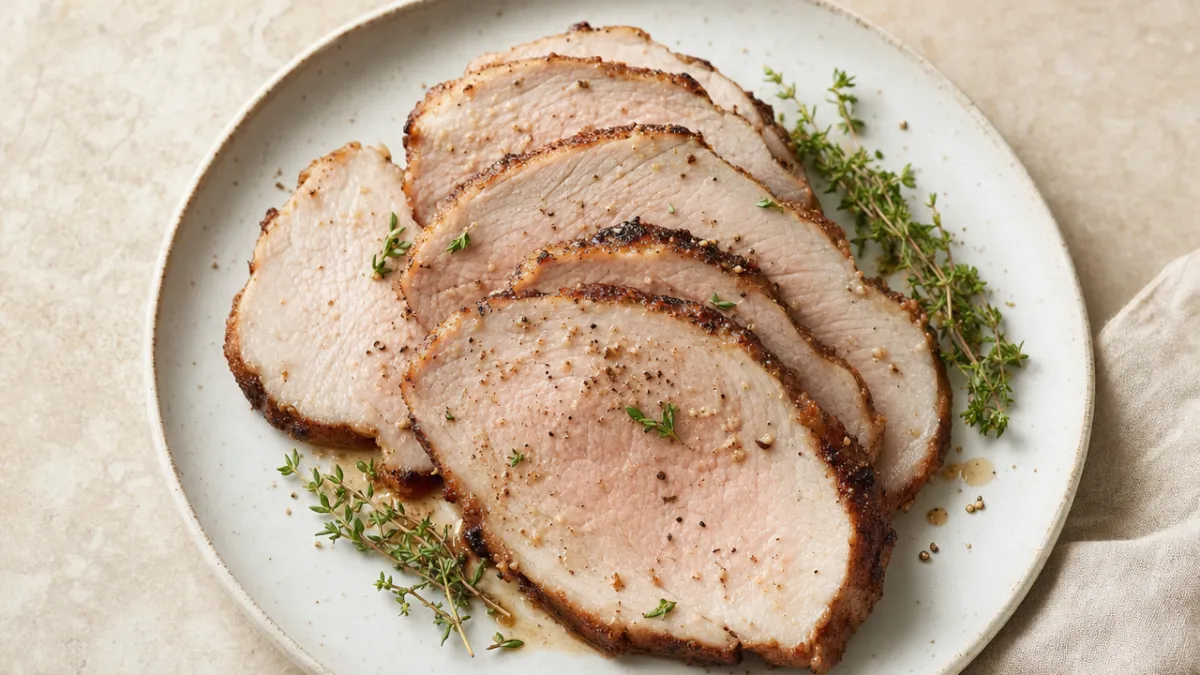
Pork tenderloin is the one cut I keep in rotation, because it is lean enough that I do not feel I am bending the red meat guidance much. I roast it whole to just done, let it rest, and slice it thin, which keeps it tender rather than dry and chewy. During a flare, I would rather pick chicken or fish, but if pork is what is on offer, a couple of thin slices of tenderloin or a small amount of drained lean ground pork in a rice bowl is my version. Pork chops I find inconsistent: they go from tender to leathery quickly, and the fat cap is usually more than I want. Pulled pork, ribs, and belly are remission-only foods for me, and even then a smaller portion than I used to eat. Ham and bacon I file under processed meat and handle separately.
How much, and how to test it
Begin with two to three ounces of lean pork, ideally tenderloin roasted or braised until it slices easily, or drained lean ground pork, alongside a plain starch. Trim any visible fat first. Over the following two to three days note cramping, urgency, and any greasy or loose stool. If it goes well, a slightly larger portion is the next step, then a trimmed loin chop. Fatty cuts like shoulder, belly, and ribs are the last to reintroduce, and only in remission. Keeping pork to once or twice a week fits the frequency advice on red meat.
What you get from pork
Three ounces of roasted pork tenderloin provide about 22 grams of protein with roughly three grams of fat, plus thiamin, in which pork is unusually rich, along with selenium, zinc, vitamin B6, and some heme iron. That iron is relevant when colitis-related blood loss is pulling stores down. The fat profile changes dramatically by cut: belly and ribs carry many times the fat of tenderloin, which is where the digestive difficulty during a flare tends to come from.
Why this one shows up on trigger lists
Pork is flagged for 2 of the properties that most commonly cause UC symptoms. Each page explains the mechanism and lists every other food that carries it.
Questions people ask about pork and UC
Can I eat pork with colitis?
Most people can, in moderation. The cited guidance groups pork with red meat and asks for it to be eaten less often rather than eliminated. Lean cuts such as tenderloin, cooked until tender and trimmed of fat, are the versions that fit best, especially during a flare. Fatty cuts and cured pork products are the ones more commonly reported as troublesome. Frequency and cut matter more than a blanket yes or no.
Is pork considered red meat for IBD purposes?
Yes. The Crohn's & Colitis Foundation lists pork alongside beef, lamb, veal, and bison as red meat, and the red meat research in ulcerative colitis includes pork in that category. Marketing has called pork the other white meat, but IBD guidance does not make that distinction. What the guidance does distinguish is lean versus fatty and fresh versus processed.
Is a pork pie okay with ulcerative colitis?
A traditional pork pie combines several things the guidance flags at once: fatty minced pork, cured seasoning, a lard-based pastry, and often a jelly layer. During a flare it is a poor fit for most people. In remission an occasional small slice is unlikely to be harmful for someone who tolerates fatty food, but it sits firmly in the processed and high-fat category rather than the everyday protein list.
Is pork tenderloin easier to digest than pork chops?
Usually. Tenderloin is among the leanest cuts of any meat and stays soft when cooked to just done, so there is little fat or connective tissue to work through. Chops vary with the cut, often carry a fat cap, and turn tough if overcooked. If pork is on the menu during a sensitive stretch, tenderloin sliced thin, or lean ground pork well drained, is the gentler option.
Is fatty pork harder to digest after surgery for Crohn's disease?
It can be, and how much ileum was removed shapes the pattern. Bile acids are reabsorbed in the terminal ileum, and a 2014 review of bile acid diarrhea describes classic findings: disease or resection of less than about 100 cm tends to cause bile acid diarrhea, while more than 100 cm can cause fatty stools because too few bile acids remain to handle fat. Pork belly, ribs, and fatty ground pork carry far more fat than tenderloin, so they are the cuts most likely to show up in either pattern. Your surgical team can tell you how much bowel was removed.
Sources
- What Should I Eat with Crohn's or Colitis? IBD Diet Guide (Crohn's & Colitis Foundation)
- Food and Crohn's or Colitis (Crohn's & Colitis UK)
- The impact of red meat and processed meat consumption on the risk of development and relapse of ulcerative colitis: a systematic review and dose-response meta-analysis (PMC (National Library of Medicine))
- Diet and nutritional therapies in patients with IBD (American Gastroenterological Association (AGA))
- Advances in understanding of bile acid diarrhea (National Institutes of Health (PMC), from Expert Review of Gastroenterology & Hepatology 2014)
Written by Jude Horak, a UC patient. Sources last checked 2026-08-12. Spotted an error? Tell me.