Can I eat sweet potatoes with ulcerative colitis?
By Jude Horak, UC patient. Sources checked 2026-08-12.
Also searched as: yams (US usage).
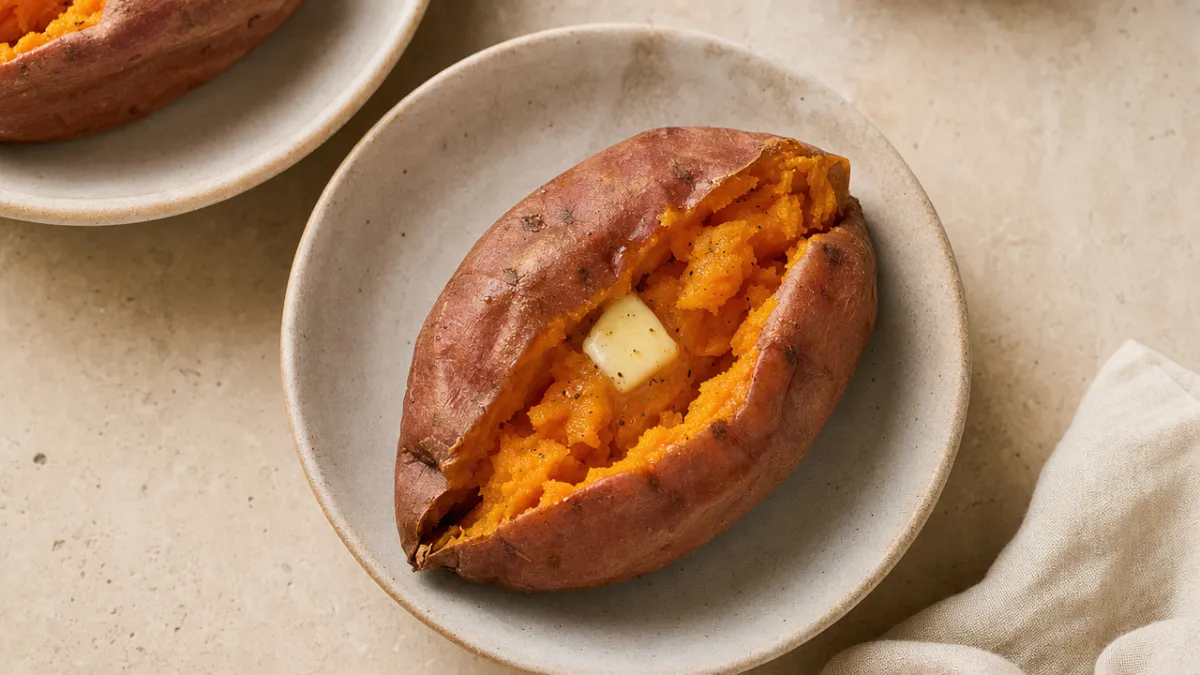
Peeled, well-cooked sweet potato flesh is soft and mostly soluble starch and fiber, but a patient-facing fiber guide from the American Gastroenterological Association specifically lists sweet potatoes with the skin on as one of the more challenging choices until symptoms are stable.
During a flare
Peel and cook until very soft; skip the skin while symptoms are active.
In remission
The skin can usually be reintroduced gradually, watching for gas or looser stools.
What the research says about sweet potatoes and UC
Sweet potatoes get a more cautious rating here than white potatoes, and the reason is specific. The American Gastroenterological Association's patient guide on fiber in IBD names sweet potato with the skin as one of the higher-insoluble-fiber vegetables that may be harder to handle until symptoms are stable, grouping it with foods that are better introduced later. The same guide describes soluble fiber as the gentler type, and peeled sweet potato flesh, cooked soft, leans that way. So the verdict really splits on the skin: with it, the guide suggests waiting; without it, the flesh is closer to the mashed white potato most low-residue plans allow.
The AGA's general IBD diet tips reinforce the broader pattern rather than saying anything unique about sweet potatoes: during a flare, cooked and peeled vegetables tend to be easier than raw or skin-on ones, and portion size matters. There is no ulcerative colitis trial on sweet potatoes that either source draws on. What we have is fiber-type reasoning plus a named caution about the skin, applied to a vegetable that is otherwise soft, mild, and easy to puree. Treat the caution rating as a reminder to peel and go slowly, not as a reason to avoid the food entirely.
Ways to make it gentler
- peel before cooking
- bake, boil, or steam until soft
- mash or puree if still sensitive
Safer swaps
- peeled white potato
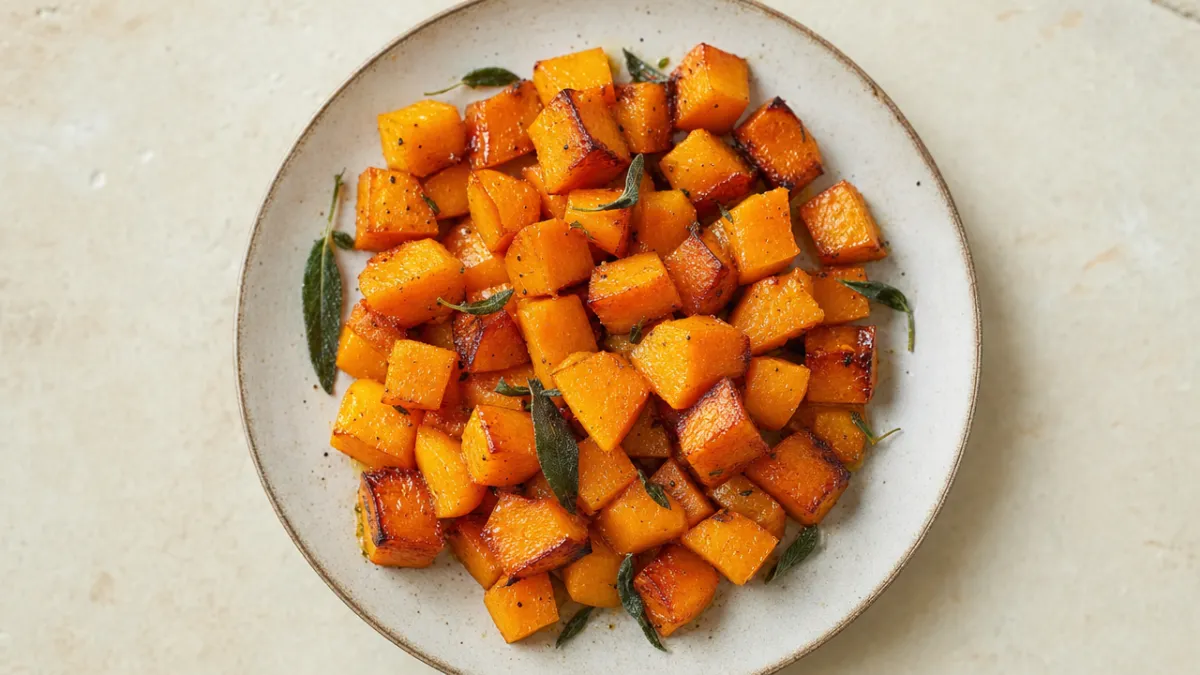
- butternut squash
How I handle sweet potatoes
I think of sweet potato as a two-stage food. During a flare I only eat it peeled, baked or steamed until it collapses under a fork, and often mashed. The natural sweetness helps when nothing else tastes good. The skin is what I hold back on, because that is the part the fiber guidance actually flags, and I would rather remove the one variable I know about than guess. In remission I roast wedges skin-on and enjoy them, but I notice they sit differently than the peeled version, so I do not stack them with other high-fiber foods in the same meal. I keep the toppings simple too: a bit of butter or olive oil, cinnamon if I want sweet, salt if I want savory. Sweet potato fries from a restaurant are a remission-only food for me.
How much, and how to test it
Start with about half a cup of peeled, cooked, mashed sweet potato alongside foods you already know are fine. Give it a day or two and watch for extra gas, looser stools, or more trips than usual. If that is uneventful, move to a full cup, then to cubes with texture, and only after that try skin-on roasted pieces in a small amount. If the skin-on step brings back gas or urgency, return to peeled and hold there for a while.
What you get from sweet potatoes
One cooked sweet potato supplies far more than a day's worth of vitamin A as beta-carotene, plus around 500 milligrams of potassium and a useful dose of vitamin C. That potassium helps replace what diarrhea pulls out, and the calories are gentle and filling when appetite is poor. Compared with white potato it carries a little more fiber per bite, most of it in the skin, which is why peeling changes the picture so much.
Why this one shows up on trigger lists
Sweet Potatoes is flagged for one of the properties that most commonly cause UC symptoms. Each page explains the mechanism and lists every other food that carries it.
Questions people ask about sweet potatoes and UC
Are sweet potatoes good for ulcerative colitis?
Peeled and cooked soft, sweet potato is often well tolerated and gives useful calories, potassium, and vitamin A when appetite is low. The skin is the part patient fiber guidance flags as harder to handle during active symptoms, so the answer depends on how it is prepared. Many people find mashed or pureed sweet potato works even mid-flare, while skin-on wedges are better saved for stable periods.
Is sweet potato easier to digest than regular potato?
Not clearly. Both are soft, starchy, and mostly soluble fiber once peeled and cooked, but sweet potato has slightly more total fiber and a bit more natural sugar. Some people find the sweetness sits better; others find plain white potato blander and calmer. The AGA guide specifically lists skin-on sweet potato as a later-stage food, which it does not do for peeled white potato, so during a flare the white potato has a slight edge on paper.
Can I eat sweet potato skin with UC?
The skin is where most of the insoluble fiber lives, and it is the specific reason patient guidance suggests waiting on sweet potatoes until symptoms settle. In remission most people can add it back, especially when the potato is roasted until the skin is thin and soft. During a flare, peeling is a simple way to keep the food while removing the part most likely to cause trouble.
What is the best way to cook sweet potato during a flare?
Baking or steaming a peeled sweet potato until it collapses, then mashing it, tends to be the gentlest version, since heat and mashing break down what fiber remains. Boiling works too but leaches some flavor and potassium into the water. Avoid crisp roasted edges, skin-on wedges, and fries for now. Keep toppings minimal, since butter, marshmallow, or brown sugar add fat and sugar that are separate variables.
Recipes that use sweet potatoes
Sources
- Inflammatory bowel disease (IBD): Role of fiber (American Gastroenterological Association)
- Inflammatory bowel disease (IBD): Diet tips (American Gastroenterological Association)
Written by Jude Horak, a UC patient. Sources last checked 2026-08-12. Spotted an error? Tell me.