Can I eat tofu with ulcerative colitis?
By Jude Horak, UC patient. Sources checked 2026-08-12.
Also searched as: bean curd.
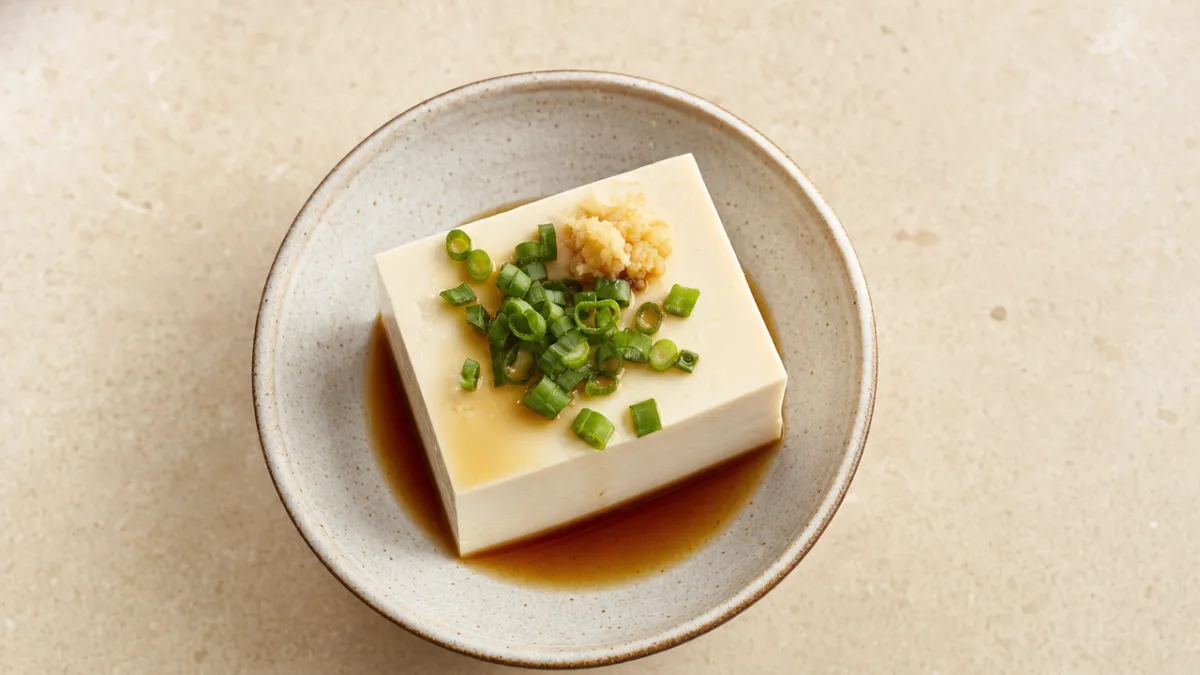
Tofu is soft-textured, low in fat, and free of the connective tissue or insoluble fiber that can be harder to digest, which is why it's repeatedly named as an easy-to-digest, well-tolerated protein and a recommended swap for red meat in IBD dietary guidance from both the US and UK.
During a flare
Tofu is one of the specifically recommended protein-boosting foods to focus on during a flare, alongside eggs, chicken, and fish.
In remission
Tofu fits easily into a regular, varied diet and can be used as a substitute for some red meat meals.
What the research says about tofu and UC
Tofu is one of the few plant proteins that all three cited organizations mention by name. The Crohn's & Colitis Foundation lists it with eggs, poultry, and fish as a protein to focus on during a flare and as a swap for red meat in remission. Crohn's & Colitis UK includes tofu and other soy foods among the alternatives to red and processed meat in a balanced diet. The Gastrointestinal Society (badgut.org) names tofu among the easier-to-digest proteins for active disease, alongside eggs, chicken, and fish.
The consistency of that endorsement is notable, but it still rests on the food's properties rather than on trials. None of the three sources cites a study of tofu in ulcerative colitis. The argument is that tofu is low in fat, contains little fiber because the soybean hulls and much of the pulp are removed in processing, has no connective tissue, and can be eaten in a very soft form. Soy is a legume, and whole soybeans and edamame carry FODMAPs that can cause gas, but firm tofu has had most of those water-soluble sugars pressed out, which is why it tests as low FODMAP while soy milk made from whole beans does not. Silken tofu retains more liquid and sits somewhere between. Preparation matters as much as with any protein: deep-fried tofu in a rich sauce brings the same fat concerns the guidance raises about fried food generally.
Ways to make it gentler
- Silken or soft tofu is gentlest during a flare
How I handle tofu
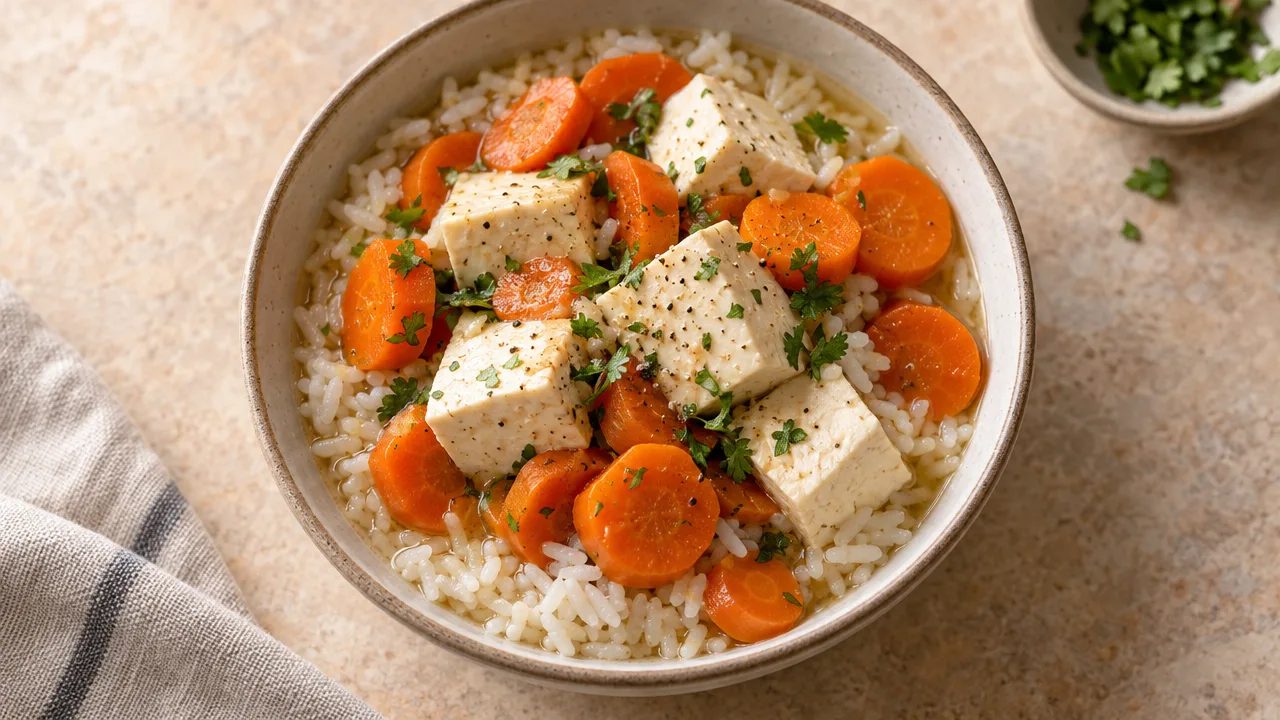
Tofu is my main way of eating less meat without falling back on beans, which are a harder test for me. During a flare, silken tofu goes into smoothies and blended soups, where it adds protein without any texture to chew, and I barely notice it is there. Soft tofu warmed in a mild broth with rice is another easy meal on a bad day. When I feel better, I press extra-firm tofu, cube it, toss it in cornstarch, and bake it until the outside is crisp, then add a light sauce. That gives me the chew I want from meat without oil. What I avoid while sensitive is restaurant fried tofu, which soaks up a lot of oil, and anything cooked with a heavy chili or garlic sauce, since those are separate tests. Tofu also keeps well and costs little, which makes it easy to keep on hand for the weeks when shopping is hard.
How much, and how to test it
Begin with about half a cup of soft or silken tofu, warmed in broth, blended into a soup, or simply steamed with a little soy sauce and served over rice. Keep it unfried and unsauced on the first try. Over the next one to two days note gas and bloating, the most likely signs if soy is a personal issue, along with stool changes. If that passes, move to firm tofu baked without oil, then to lightly pan-fried cubes, and leave deep-fried tofu and heavily spiced dishes for remission. A consistent gassy reaction even at small portions suggests soy itself may be a trigger.
What you get from tofu
Half a cup of firm tofu provides around ten grams of complete protein, and calcium-set varieties supply a meaningful amount of calcium as well, which matters for bone health after courses of steroids. Tofu also contributes iron, magnesium, and some healthy fats, with no cholesterol and little saturated fat. Its protein per calorie is lower than chicken or fish, so a person trying to regain weight may need larger portions or added starch alongside it.
Questions people ask about tofu and UC
Is tofu good for ulcerative colitis?
It is one of the most consistently recommended plant proteins in the cited guidance, named by all three organizations as a flare-friendly protein and as a swap for red meat. The reasons are practical: little fiber, low fat, soft texture, and no gristle. The main exception is anyone with a specific soy intolerance, for whom gas and bloating can appear regardless of how the tofu is prepared.
Does tofu cause gas or bloating like other soy foods?
Much less than whole soybeans or edamame. Firm tofu has had most of the water-soluble oligosaccharides pressed out during processing, so it tests as low FODMAP in modest portions. Silken tofu keeps more of that liquid and can be gassier for sensitive people in large amounts. If beans reliably give you gas but tofu does not, that difference in processing is the likely reason.
Can I eat tofu during a colitis flare?
Soft or silken tofu is a reasonable flare protein for most people, and patient organizations specifically list tofu among the foods to focus on while inflamed. Blend it into soup, warm it in broth, or steam it plainly. The version to skip during a flare is deep-fried tofu, which absorbs a lot of oil and lands in the high-fat category the guidance advises limiting.
Is tofu okay for diverticulitis as well as colitis?
This site is about ulcerative colitis, and the cited sources address IBD rather than diverticular disease. The general logic still transfers: tofu is soft, low in fiber, and easy to digest, which is usually what a low-residue phase calls for. Someone managing diverticulitis should confirm with their own doctor or dietitian, since the diet advice for that condition follows a different pattern and changes by phase.
Recipes that use tofu
Sources
- What Should I Eat with Crohn's or Colitis? IBD Diet Guide (Crohn's & Colitis Foundation)
- Food and Crohn's or Colitis (Crohn's & Colitis UK)
- Inflammatory Bowel Disease Nutrition Tips (Crohn's Disease and Ulcerative Colitis) (Gastrointestinal Society (badgut.org))
Written by Jude Horak, a UC patient. Sources last checked 2026-08-12. Spotted an error? Tell me.