Can I eat brown rice with ulcerative colitis?
By Jude Horak, UC patient. Sources checked 2026-08-12.
Also searched as: whole grain rice.
Have Crohn's instead? Jump to the Crohn's notes
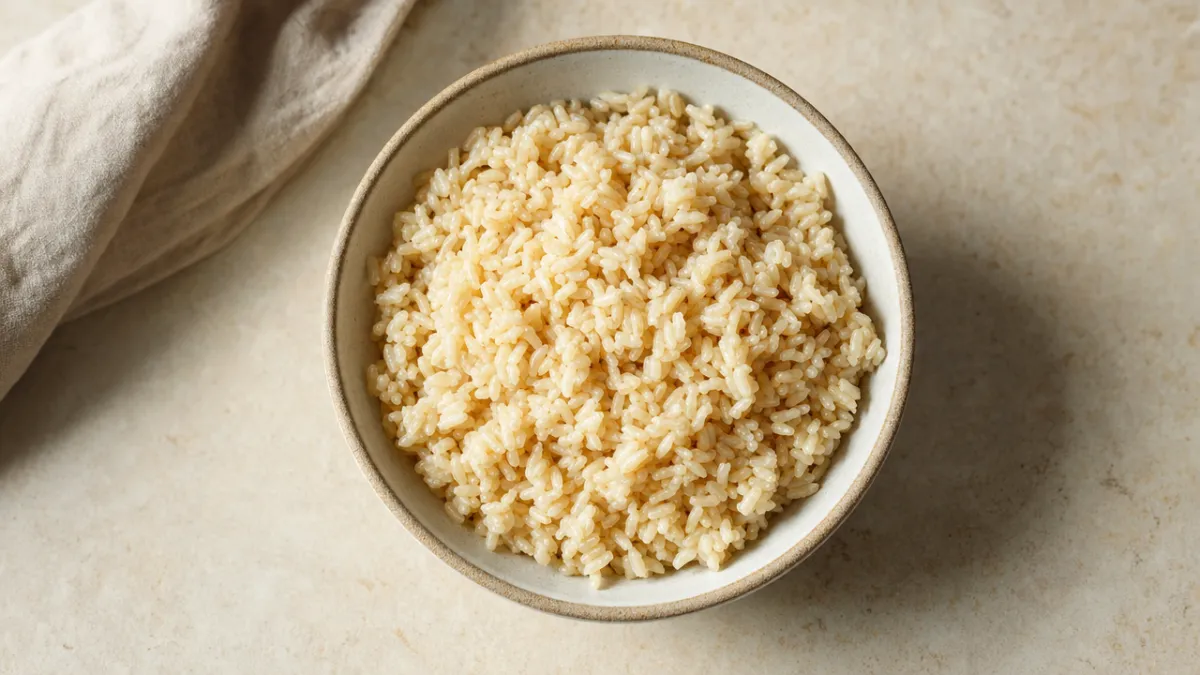
Brown rice keeps its bran and germ layer, so it has notably more insoluble fiber than white rice. Insoluble fiber adds bulk and can move through an inflamed colon faster than it's comfortable with, which is why refined grains are often favored over whole grains when the gut is already irritated.
During a flare
Many people switch to white rice during a flare and reintroduce brown rice once symptoms settle.
In remission
In remission, whole grains like brown rice are commonly reintroduced gradually as part of a varied, fiber-containing diet.
What the research says about brown rice and UC
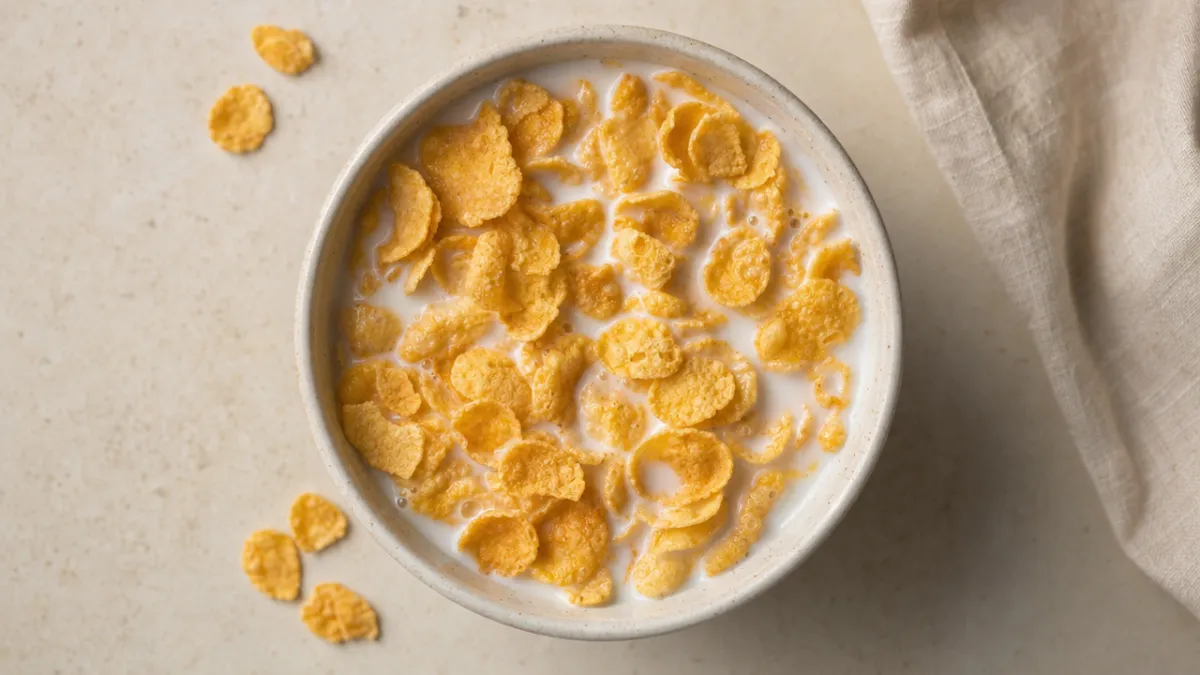
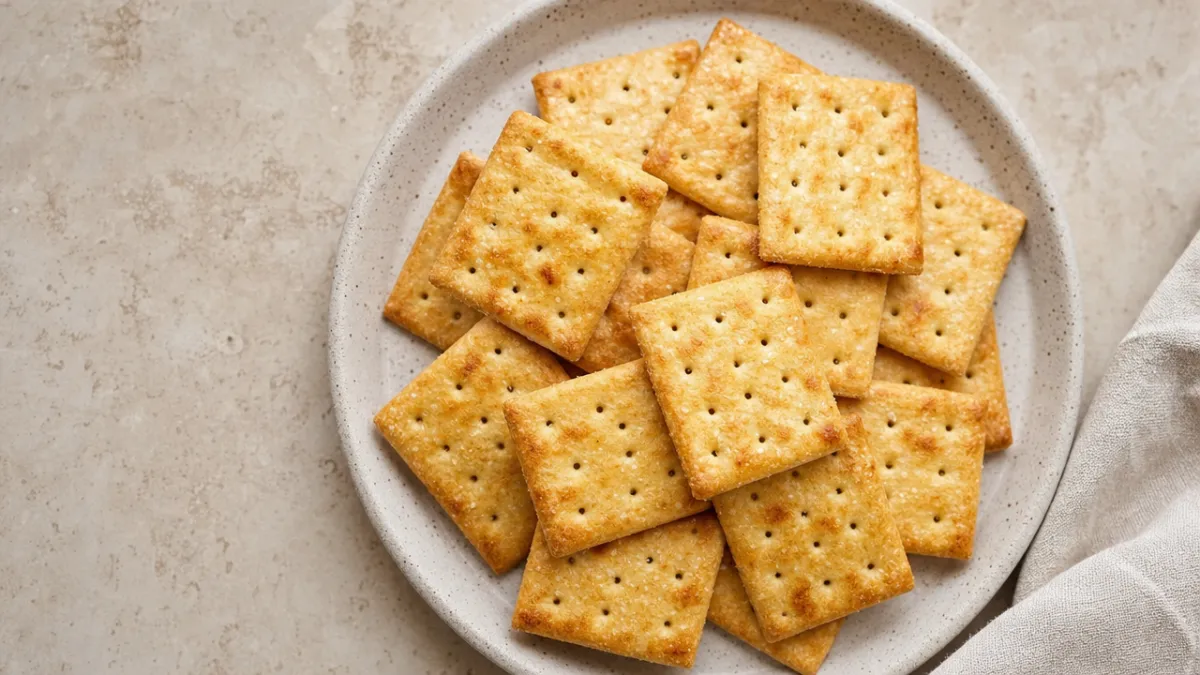
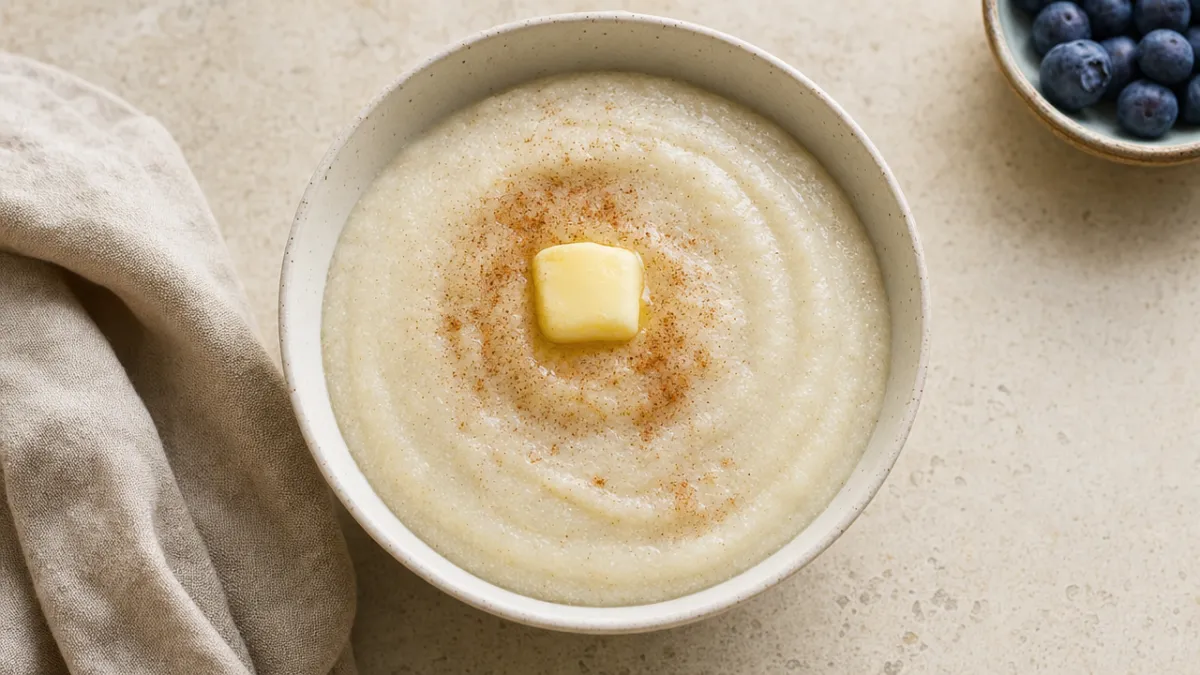
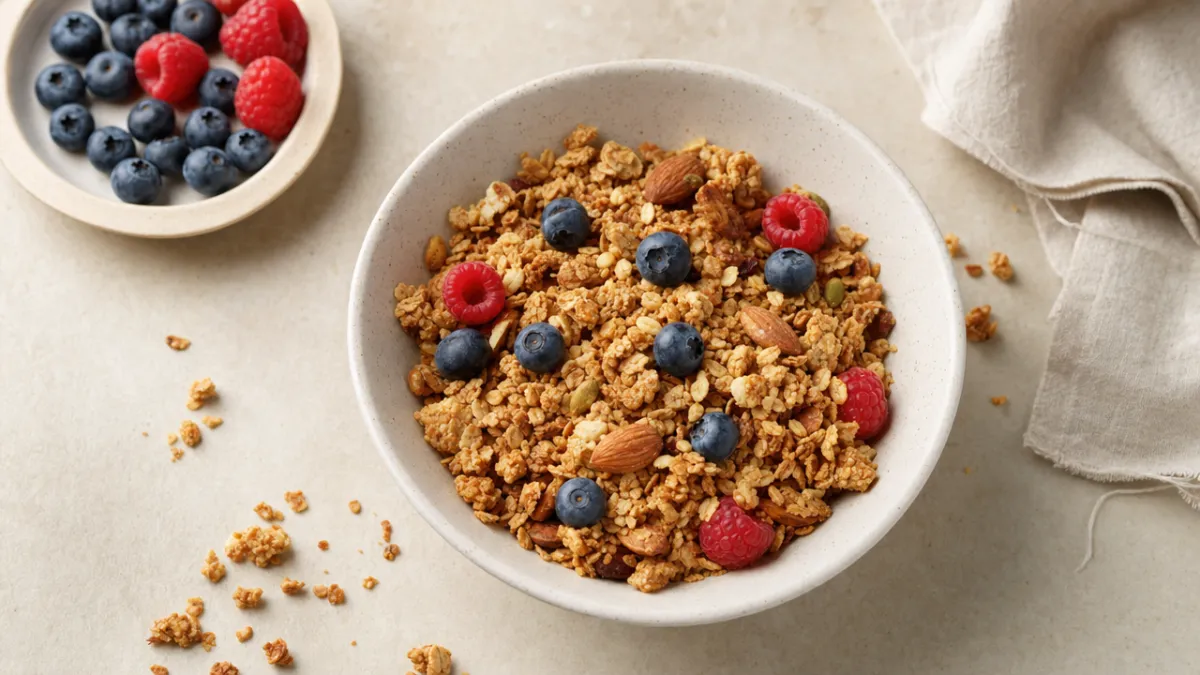
Brown rice is not named in either cited source, so its verdict comes from how the sources treat whole grains. The American Gastroenterological Association's patient page on fiber and IBD sorts grains into two lists: white rice, white or sourdough bread, instant oatmeal, polenta, and pasta as usually well tolerated, and whole grains such as whole wheat bread, steel cut oats, quinoa, and popcorn as harder to digest. Brown rice keeps its bran, which the AGA classifies as insoluble fiber, the kind it describes as acting like a broom in the colon: useful for constipation, but worth adjusting during active inflammation, cramping, or urgent loose stools.
The Academy of Nutrition and Dietetics page on Crohn's disease and diet says to include whole grains during symptom-free periods, to limit high-fiber foods when diarrhea or abdominal pain is present, and to start new foods one at a time in small amounts. That page was written for Crohn's rather than ulcerative colitis, and its advice is about fiber broadly rather than rice. Neither source reports a study feeding brown rice to people with colitis, so this page's caution rests on fiber mechanics, a reasonable basis but a thinner one than direct evidence. Both organizations stress that fiber is not something to avoid long term, which is why brown rice is expected back in remission.
If you have Crohn's instead of UC
I have UC, not Crohn's, so this part is research rather than experience.
Brown rice is one of the grains where Crohn's can change the answer, mainly for people with a stricture. Cleveland Clinic's guide to low-fiber eating, which says people with strictures need food broken into small particles, names brown and wild rice among the foods to avoid, while white rice sits on its lower-fiber list. The difference is the bran: each brown grain keeps its fibrous outer coat, which is exactly the part a low-fiber plan is designed to leave out.
Crohn's & Colitis UK draws the line in a similar place. It puts wholegrain foods on the list for people with a narrowing, but says there is no need to limit fiber when the condition is under control and no stricture is present. So without a stricture, the remission plan on this page generally applies. With one, soft white rice is the usual swap, and a dietitian can say whether brown rice has any place in your week.
Based on: Cleveland Clinic; Crohn's & Colitis UK; National Institutes of Health (PMC), from Frontiers in Nutrition 2023. More on how Crohn's and UC diets differ.
Ways to make it gentler
- Cook it very soft, or try it well-blended into a soup or bowl
- Start with small portions when reintroducing
Safer swaps
- white rice
How I handle brown rice
My rule for brown rice is that it has to earn its way back after a flare rather than being assumed. When I am well, I like it, and I want the extra fiber and minerals in my regular rotation. When things are unsettled, I swap it for white rice without a second thought and do not treat that as a failure. The reintroduction step that works best for me is cooking it far past the package time with extra water so the grains split and go soft, sometimes in a pressure cooker, then eating a small scoop mixed into white rice rather than a full bowl on its own. A half-and-half blend lets me tell whether the bran is the problem without committing to it. If the mix goes fine for a few days, I shift the ratio. If it does not, I go back to white rice and try again later rather than pushing through.
How much, and how to test it
Start with about a quarter cup of cooked brown rice, stirred into a larger portion of white rice so the change in fiber is small. Cook it until it is fully soft, not chewy, and eat it at a meal that is otherwise made of foods you already tolerate. Watch for extra bulk, urgency, or bloating over the next two or three days. If nothing shifts, move to a half cup, then a full serving. Any increase in loose stools or cramping is the signal to drop back to the previous amount for a week.
What you get from brown rice
Brown rice brings about three and a half grams of fiber per cooked cup, along with magnesium, manganese, selenium, and B vitamins that milling strips from white rice. The magnesium is relevant with UC because chronic diarrhea can pull magnesium down, and the B vitamins support energy at a time when fatigue is common. Calories and protein are similar to white rice. Unlike enriched white rice, brown rice is not usually fortified, so its iron is only what the grain naturally holds.
Why this one shows up on trigger lists
Brown Rice is flagged for one of the properties that most commonly cause UC symptoms. Each page explains the mechanism and lists every other food that carries it.
Questions people ask about brown rice and UC
Is brown rice ok with ulcerative colitis?
Usually yes when the disease is quiet, and often not the best pick when it is active. The difference is the bran, which is insoluble fiber. In remission that fiber is part of a normal, varied diet and can support a healthier gut environment. During a flare, many people find the bulk adds to urgency and cramping. The practical answer is to match the rice to the phase you are in rather than picking one for good.
Can I eat brown rice during a flare?
Some people can in small amounts, but it is rarely the first choice. Most flare guidance leans toward refined grains for the simple reason that there is less rough material for an inflamed colon to handle. If you are set on brown rice while symptomatic, cooking it very soft and keeping the portion small reduces the load. White rice is the easier route and is the usual recommendation until stool normalizes.
How should I reintroduce brown rice after a flare?
Wait until symptoms have been steady for a couple of weeks, then add it as the only new food that day. Overcooked and blended into white rice is gentler than a bowl of chewy grains. Hold each step for several days before increasing. Some people also do well soaking the rice overnight before cooking, which softens the bran. If a step brings back loose stools, return to the last amount that felt fine.
Is brown rice good for gastritis or acid reflux?
This site is about ulcerative colitis, which is a different condition from gastritis and reflux, so treat this as general context rather than guidance. Brown rice is not acidic or fatty, the two properties usually linked to reflux symptoms, and it is not commonly listed as a gastritis trigger. If you have both UC and stomach symptoms, the colitis fiber question is the one that usually decides brown rice versus white.
Why are people with Crohn's told to avoid brown rice?
Mostly because strictures are common in Crohn's. A 2023 systematic review estimates that over half of people develop a stricture or a penetrating complication within 20 years of diagnosis, most often in the small intestine. The same review found that diet advice for strictures rests largely on clinical judgment: it turned up only five eligible studies, and none tested fiber changes such as cutting whole grains. That makes the brown rice limit a sensible precaution for people with a narrowing, not proof that it harms everyone with Crohn's.
Recipes that use brown rice
Sources
- Inflammatory bowel disease (IBD): Role of fiber (American Gastroenterological Association)
- Crohn's Disease and Diet (Academy of Nutrition and Dietetics)
- How To Follow a Low-Fiber Diet (Cleveland Clinic)
- Food and Crohn's or Colitis (Crohn's & Colitis UK)
- Nutritional interventions in adult fibrostenotic Crohn's disease: A systematic review (National Institutes of Health (PMC), from Frontiers in Nutrition 2023)
Written by Jude Horak, a UC patient. Sources last checked 2026-08-12. Spotted an error? Tell me.