Can I eat soup with ulcerative colitis?
By Jude Horak, UC patient. Sources checked 2026-08-12.
Also searched as: stew (blended/soft).
Have Crohn's instead? Jump to the Crohn's notes
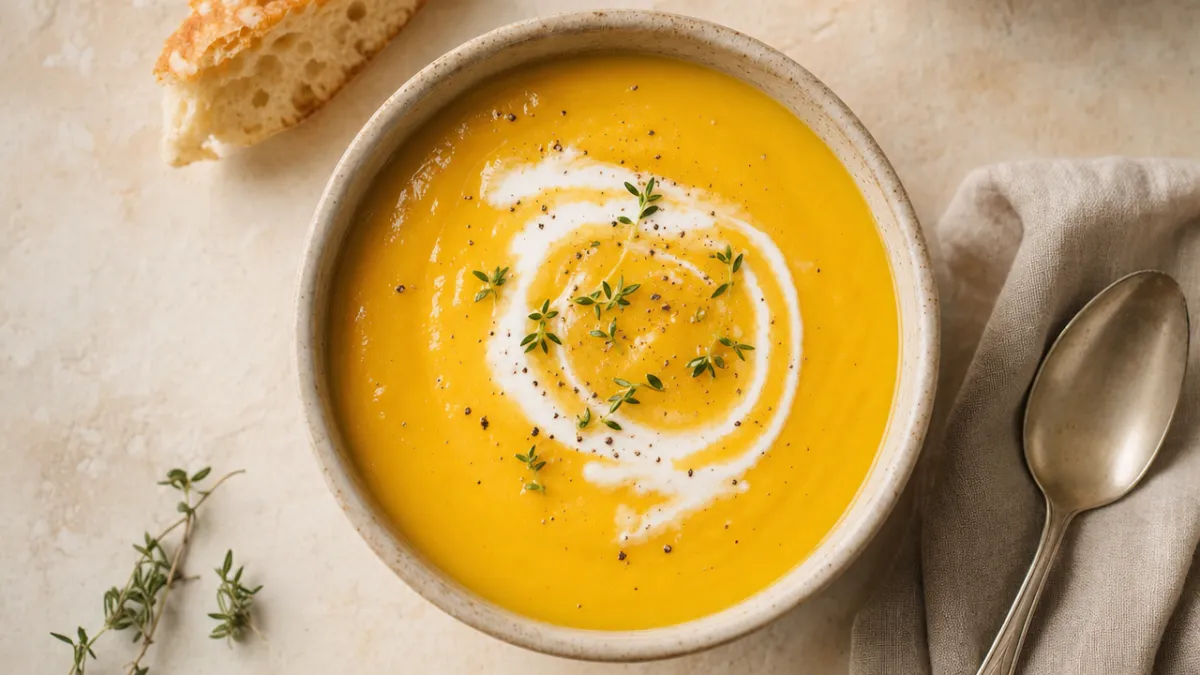
A simple broth- or puree-based soup is naturally low in the insoluble fiber that's harder to digest during a flare, and long simmering breaks vegetables and meat down into an easier-to-digest form. Reviews of ulcerative colitis nutrition specifically recommend boiling and pureeing or blending vegetables, and limiting dietary fiber during a flare with diarrhea or pain, which is essentially what a smooth, well-cooked soup already does.
During a flare
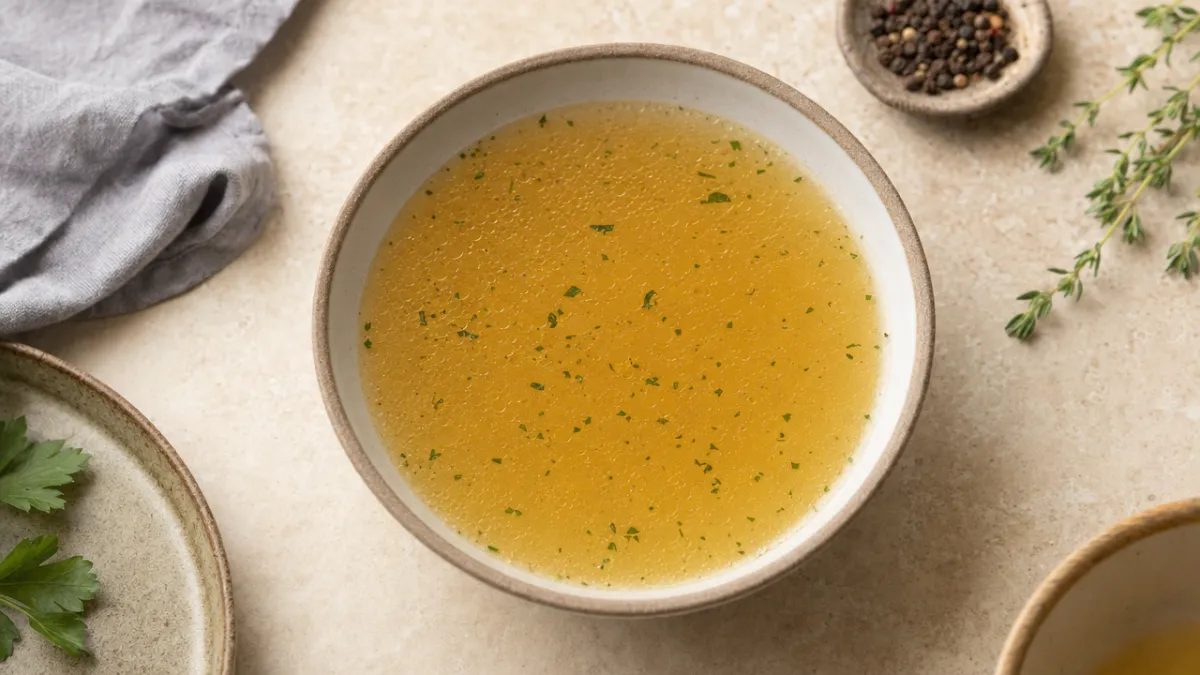
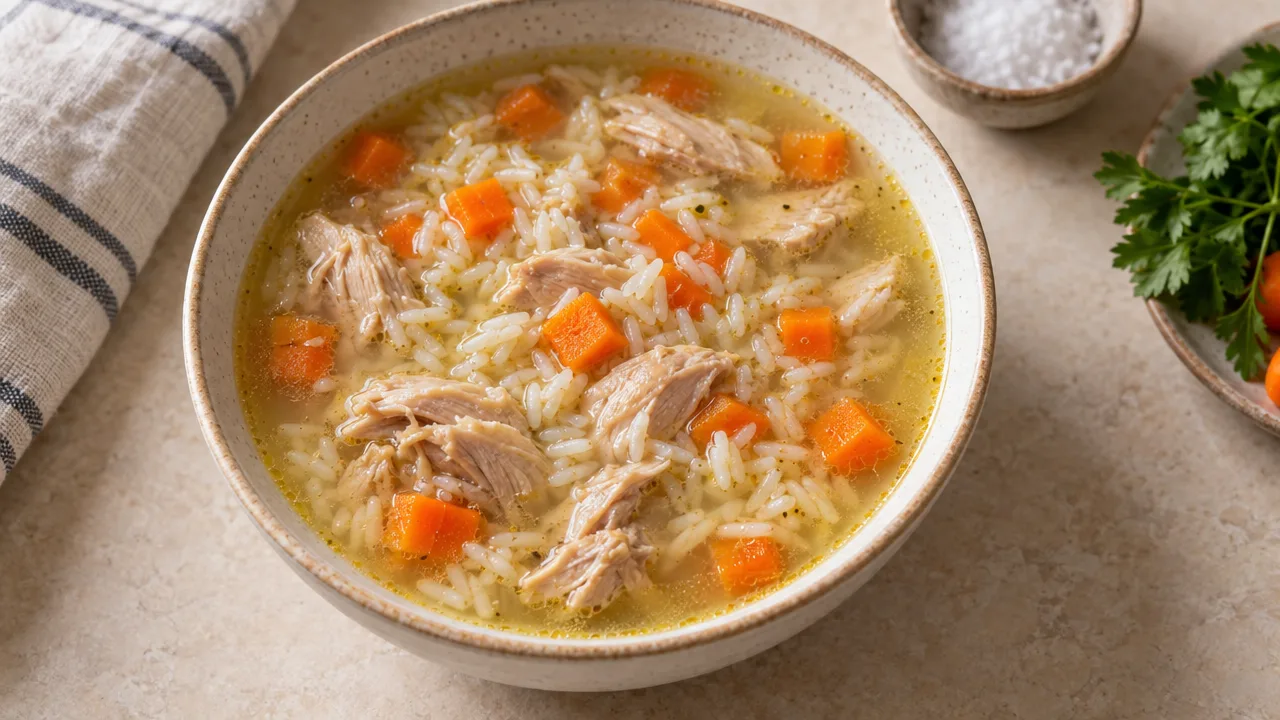
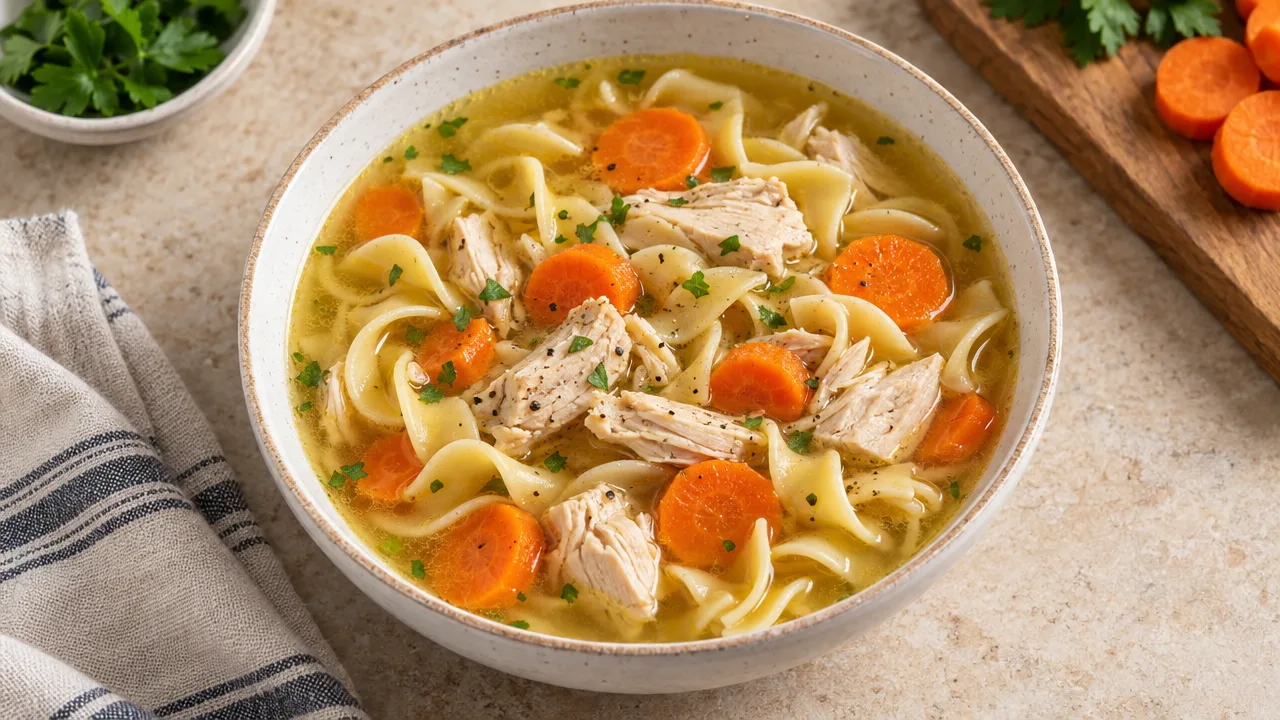
Clear or pureed, low-fiber soups (chicken and rice, blended vegetable) are commonly used as an easy-to-digest flare-time meal.
In remission
In remission, soup can carry more texture and fiber (whole vegetables, legumes) as tolerated, reintroduced gradually.
What the research says about soup and UC
The PMC review on nutrition and supplementation in ulcerative colitis comes closer to describing soup than almost any other source on this site. Among its flare-time recommendations are limiting dietary fiber when diarrhea or pain is present, cooking vegetables thoroughly, and pureeing or blending them so they are easier to break down. A smooth vegetable soup or a long-simmered chicken and rice soup is that advice in a bowl. The review does not test soup as a dish, so this is an inference from its guidance on cooking methods and fiber rather than a direct finding.
Crohn's & Colitis UK's food leaflet covers similar ground from the patient side, suggesting that during a flare softer, lower-fiber, well-cooked foods often sit better and that keeping a food diary helps identify what works. It also notes that fatty and creamy dishes are commonly reported as harder to tolerate, which is where soup can go wrong: a cream-based chowder or a cheese-thickened soup carries the fat and dairy that many people find difficult. Neither source addresses canned soup, sodium, or specific ingredients such as beans or barley, so those points below come from general IBD nutrition principles rather than from soup-specific evidence.
If you have Crohn's instead of UC
I have UC, not Crohn's, so this part is research rather than experience.
Soup is a food where Crohn's advice can get more specific than UC advice, because blending is the texture change that stricture guidance points to. A 2024 review in Nutrients reports that ESPEN's practical guidance for symptomatic small bowel strictures emphasizes food consistency, favoring soft, cooked, peeled vegetables. According to the AGA's 2024 practice update, fibrous plant foods can be hard to tolerate with a symptomatic stricture, and cooking or processing them until soft may let people keep more variety and fiber in their diet.
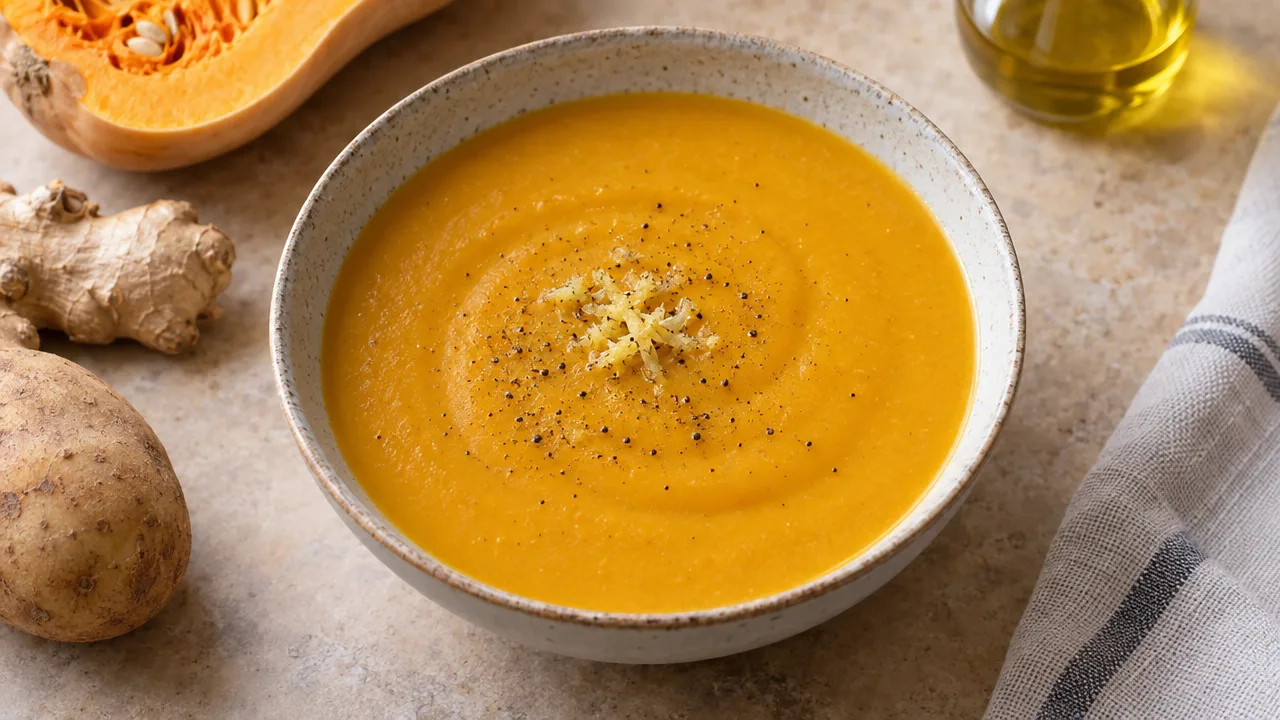
A smooth carrot, squash, or potato soup puts that into practice. The bowls more likely to cause trouble with a narrowing are the chunky ones: corn chowder, minestrone with whole beans, or anything with tough vegetable skins left in. Blending until completely smooth keeps the vegetables in the bowl while getting rid of the pieces.
Based on: National Institutes of Health (PMC), from Nutrients 2024; American Gastroenterological Association (AGA); Cleveland Clinic. More on how Crohn's and UC diets differ.
Ways to make it gentler
- Puree or blend vegetables well during a flare
- Skip heavy cream bases if dairy is a personal trigger
- Peel and deseed vegetables before adding to the pot
Safer swaps
- pureed vegetable soup
- chicken and rice soup
- miso broth
How I handle soup
Soup is how I get vegetables in during a flare without asking my gut to deal with fiber it cannot handle yet. My default is carrot, peeled zucchini, and potato simmered in chicken stock until soft, then blended completely smooth; I taste for salt and add a little olive oil at the end rather than cream. Chicken and rice soup is the other regular, with the chicken shredded fine and the rice cooked until it is soft. As things improve I stop blending and start leaving pieces in, which is a natural way to bring texture back a step at a time. I read canned soup labels for sodium and for cream or cheese and mostly skip them, since making a big pot and freezing it in portions is easy. Bean soups, barley soups, and anything with a lot of onion wait for remission.
How much, and how to test it
A bowl of about one cup of fully blended, broth-based soup is a good first serving during recovery, made from vegetables you have already tolerated in other forms. Keep it dairy-free and low in oil for that first test. Over the next 24 to 48 hours note gas or bloating, which usually points to the vegetables, versus cramping, which more often points to fat. If it goes well, increase to a larger bowl, then begin leaving small soft pieces unblended. Add legumes, whole grains, or cream one at a time and only in remission. Return to smooth and simple if symptoms pick up.
What you get from soup
Soup delivers fluid and sodium at the same time as food, which is exactly what a body losing both to diarrhea needs, and warm liquid tends to be easier to take than plain water when appetite is gone. Blended vegetables supply potassium and vitamins in a form that asks little of the gut. Chicken or lean meat adds protein to protect muscle during weight loss. Cream and cheese boost calories but bring the fat and lactose that many people find hard.
Why this one shows up on trigger lists
Soup is flagged for 2 of the properties that most commonly cause UC symptoms. Each page explains the mechanism and lists every other food that carries it.
Questions people ask about soup and UC
What soup is good for ulcerative colitis?
During a flare, smooth and broth-based tends to work best: blended carrot or squash soup, chicken and white rice soup, miso broth, or a simple potato and leek soup with the leek cooked very soft. In remission most people expand to minestrone-style soups with small soft vegetables and, eventually, lentils or beans. The recurring theme is well-cooked ingredients, minimal cream, and a portion that does not overload you at once.
Can I eat canned soup during a flare?
Some canned soups are fine and some are not, so the label decides. Many are very high in sodium, which is worth watching though not necessarily a problem when you are losing salt anyway. Cream-based varieties, cheese soups, and chunky soups with beans, corn, or celery are the ones commonly reported as harder to handle. A plain chicken noodle or a smooth tomato without cream, diluted a little with water, is usually a workable fallback.
Is cream of chicken soup ok with colitis?
It depends on how you handle dairy and fat. Cream-based soups carry a meaningful fat load and, if made with milk or cream, lactose as well, and both are commonly reported problems during a flare. In remission a small bowl is tolerated by many people. Making it at home with lactose-free milk, or thickening a broth-based chicken soup with blended potato instead of cream, gives a similar texture with far less to react to.
Can I put beans or lentils in soup with colitis?
In remission, often yes, and red lentils cooked until they collapse are one of the gentler ways to start because they lose much of their texture. Whole beans keep their skins and their fiber, which many people find harder during recovery. Blending a bean soup smooth helps some people, though it does not remove the fermentable carbohydrates that cause gas. During a flare, most people leave legumes out of the pot entirely.
Is lentil or bean soup okay with Crohn's disease?
Without a stricture, often yes; the 2024 Nutrients review found no substantial data supporting insoluble fiber restriction for people without stricture symptoms. With a narrowing, more care is usual. Cleveland Clinic lists lentils and beans among foods to avoid on a low-fiber diet and says people with strictures want food broken into small particles. A red lentil soup blended completely smooth goes a long way toward that, while bean skins can survive a quick blitz, so a longer blend or a fine strainer helps.
Recipes that use soup
Sources
- Nutrition and Supplementation in Ulcerative Colitis (PMC (National Library of Medicine))
- Food (patient information leaflet) (Crohn's & Colitis UK)
- Dietary Fiber in Inflammatory Bowel Disease: Are We Ready to Change the Paradigm? (National Institutes of Health (PMC), from Nutrients 2024)
- Diet and nutritional therapies in patients with IBD (American Gastroenterological Association (AGA))
- How To Follow a Low-Fiber Diet (Cleveland Clinic)
Written by Jude Horak, a UC patient. Sources last checked 2026-08-12. Spotted an error? Tell me.
Next steps
Related foods