Can I eat tomatoes with ulcerative colitis?
By Jude Horak, UC patient. Sources checked 2026-08-12.
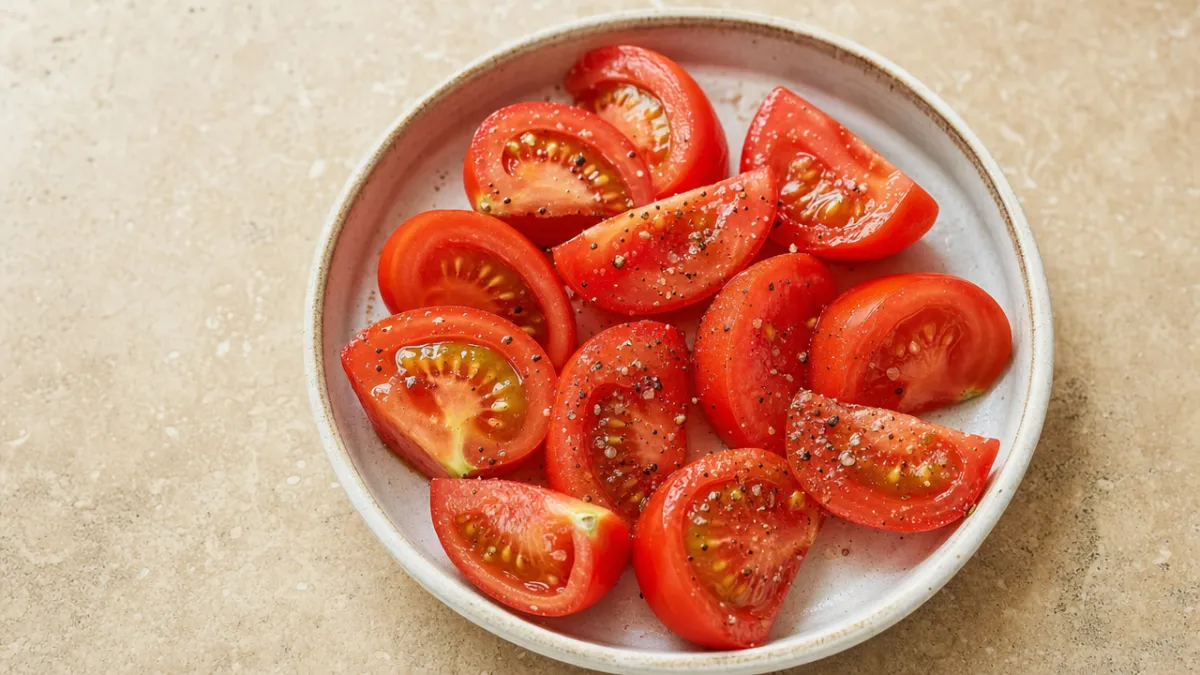
Tomatoes are low FODMAP per Monash FODMAP testing, but their skins and seeds add insoluble fiber, and their acidity is commonly reported to aggravate symptoms. As a nightshade, tomatoes also contain small amounts of solanine; Cedars-Sinai notes there isn't solid evidence nightshades are harmful, though some people with inflammatory conditions choose to limit them.
During a flare
Peeled, deseeded, and cooked tomato (like a smooth sauce) is generally easier than raw tomato with skin and seeds during a flare.
In remission
Raw tomato is usually fine to reintroduce as tolerated once symptoms settle.
What the research says about tomatoes and UC
Monash FODMAP's blog on eating more vegetables on a low FODMAP diet includes common tomato among low FODMAP options at typical servings, so on the fermentation side tomatoes are not a concern for most people. Monash's serving-size testing also shows tomatoes are not unlimited: fructose rises at larger servings, and cherry tomatoes reach that point sooner than a standard tomato, which is a detail worth knowing for anyone who snacks on them by the handful. Cedars-Sinai's piece on superfoods and inflammatory disease covers the other common worry: tomatoes are a nightshade and contain small amounts of solanine, some people with inflammatory or autoimmune conditions choose to avoid the family, and the evidence that nightshades actually cause harm is thin.
Neither source addresses tomatoes in ulcerative colitis directly, and the two main practical concerns, acidity and the skin and seeds, are patient-reported rather than something either organization has measured. Tomato acidity is often blamed for reflux and for a stinging feeling with active proctitis; skins and seeds are insoluble fiber that can show up undigested when transit is fast. Both concerns are addressed by the same preparation: peeled, seeded, cooked tomato, which is what a smooth sauce or passata is. The caution rating during a flare reflects those practical points rather than the FODMAP or nightshade data.
Ways to make it gentler
- peel and deseed if sensitive
- cook into sauce rather than eating raw during a flare
Safer swaps
- cooked, strained tomato sauce
How I handle tomatoes
Tomatoes divide neatly for me into sauce and salad. Smooth tomato sauce, passata, or a strained canned tomato cooked down with olive oil and salt is something I eat during a flare without much worry, in a normal portion over rice or pasta. Raw tomato with the skin and seeds, cherry tomatoes by the handful, and a big caprese salad are remission foods. When I do go back to raw tomato I start with a few slices, peeled if I can be bothered, and I notice whether the skins reappear the next day. Acidity is the thing I watch on top of texture: on a day when things feel raw, I skip tomato entirely rather than testing it. Ketchup and jarred pasta sauces are their own question, since they usually carry onion, garlic, and a lot of sugar, and I read the label before blaming the tomato.
How much, and how to test it
Begin with about a quarter cup of smooth, cooked tomato sauce without onion or garlic, over something plain like rice or pasta. Watch the next 24 to 48 hours for any stinging or urgency, which is the acidity question, and for cramping. If that goes well, move to a half cup of sauce, then a few slices of peeled raw tomato, then raw tomato with skin, then cherry tomatoes in a small number. If raw tomato brings back symptoms, cooked sauce is often still fine, so hold there.
What you get from tomatoes
Tomatoes bring vitamin C, potassium, folate, and lycopene, an antioxidant that becomes more available after cooking, with only about 18 calories per 100 grams and a very high water content. Potassium and fluid both help during diarrhea, and cooked tomato sauce is one of the easier ways to get them. They are not a source of protein or meaningful calories, so a tomato-based dish needs something substantial alongside it when weight is a concern.
Why this one shows up on trigger lists
Tomatoes is flagged for 2 of the properties that most commonly cause UC symptoms. Each page explains the mechanism and lists every other food that carries it.
Questions people ask about tomatoes and UC
Can I eat tomatoes with ulcerative colitis?
Many people can, and preparation is what decides it. Smooth cooked tomato sauce without skins and seeds is often well tolerated even during a flare, while raw tomato with skin, seeds, and acidity is more commonly reported as a problem when symptoms are active. Tomatoes are low FODMAP at normal servings, so fermentation is rarely the issue; texture and acid are what most people notice.
Are tomatoes bad for Crohn's disease?
The same considerations apply across IBD. Tomatoes are not known to worsen inflammation, but skins and seeds are insoluble fiber that can be uncomfortable with active disease, and acidity bothers some people. Anyone with Crohn's disease and a stricture is often advised to be especially careful with skins and seeds, which is a question for their own care team. Peeled, cooked tomato is the gentle form for either condition.
Are nightshades like tomatoes a problem for colitis?
Nightshades, including tomatoes, peppers, potatoes, and eggplant, contain small amounts of solanine, and some people with inflammatory conditions choose to avoid them. Cedars-Sinai notes the evidence that nightshades are harmful is weak. Most people with UC tolerate tomatoes fine. If you suspect they bother you, a short trial without them, tracked honestly, is more informative than avoiding a whole food family on principle.
Is tomato sauce or ketchup okay during a flare?
Plain tomato sauce or passata is often fine, since the skins and seeds are gone and the tomato is cooked. The catch is what else is in the jar: most commercial pasta sauces include onion and garlic, and ketchup adds a lot of sugar and often onion powder. Reading the label, or making a simple sauce from strained tomatoes, olive oil, and salt, removes those extra variables.
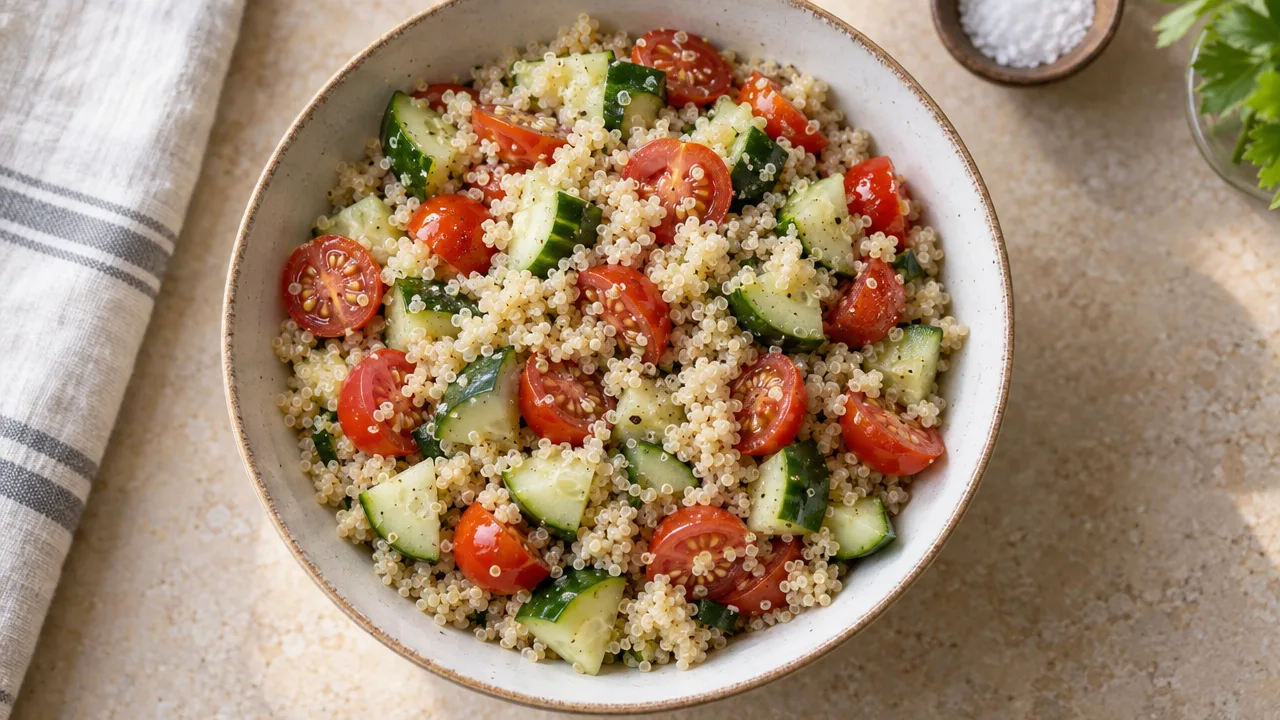
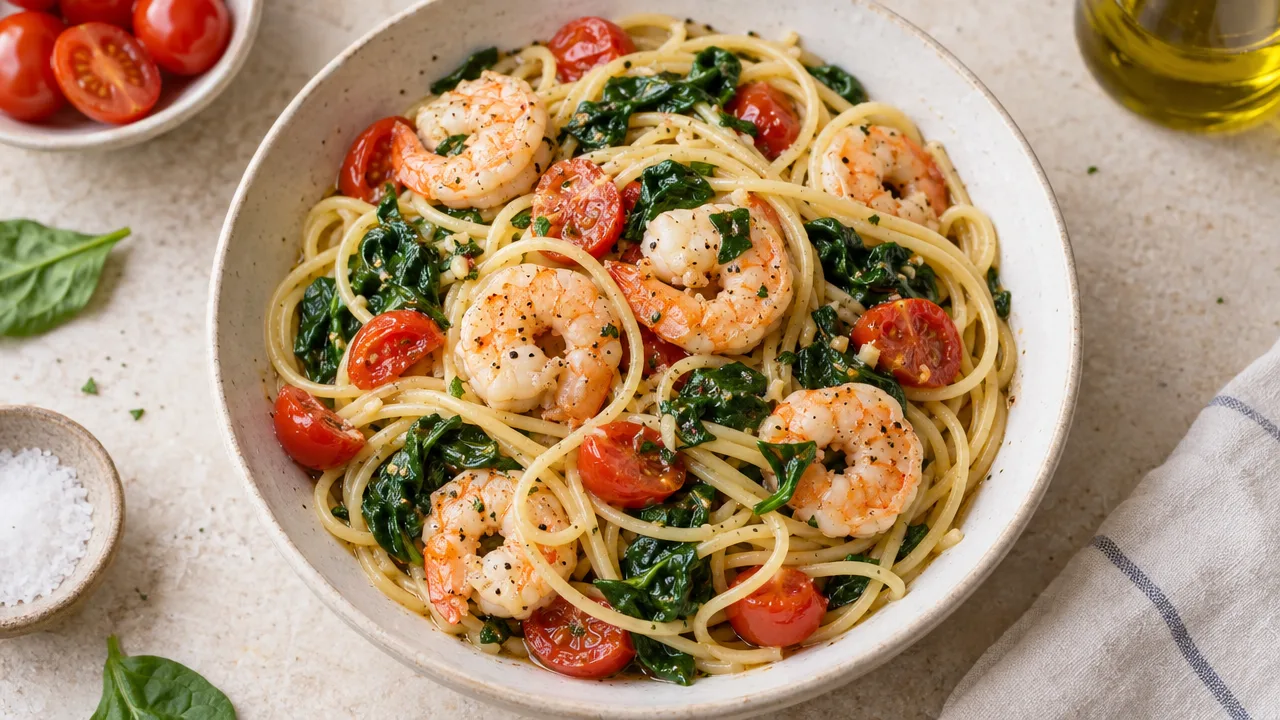
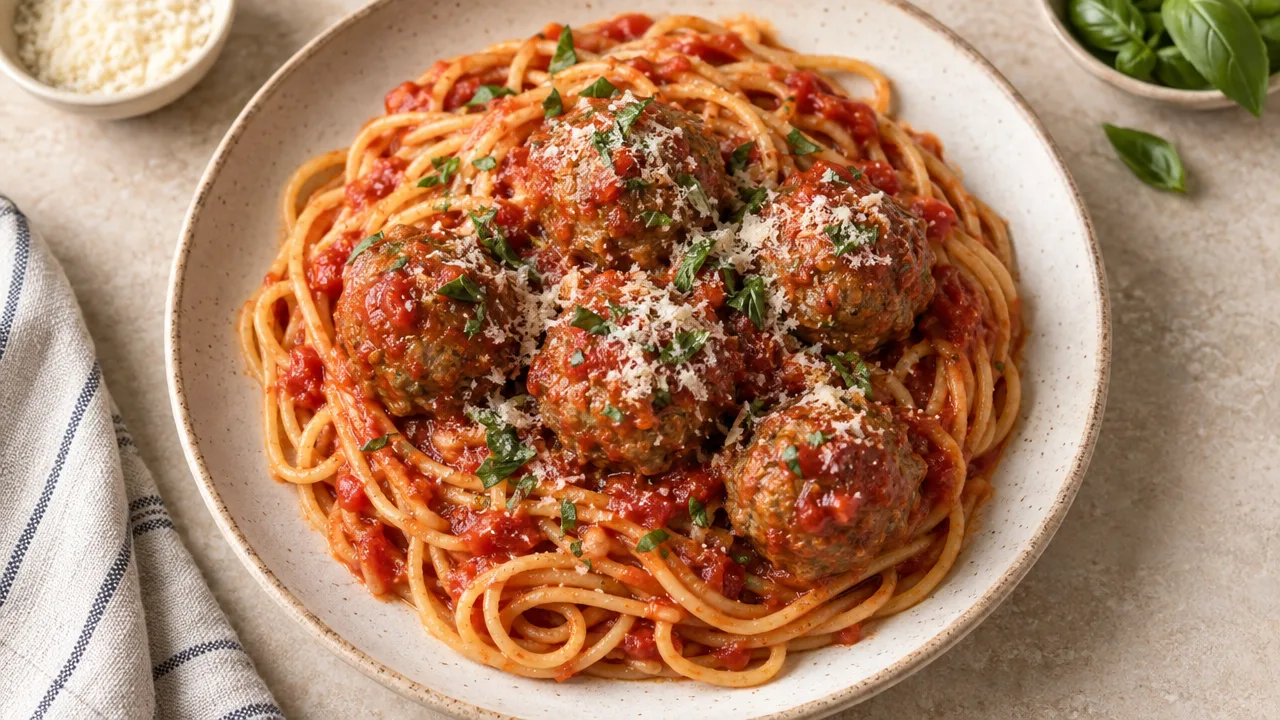
Recipes that use tomatoes
Sources
- When Superfoods and Inflammatory Diseases Are a Recipe for Trouble (Cedars-Sinai)
- Eating more vegetables on a low FODMAP diet (Monash FODMAP)
Written by Jude Horak, a UC patient. Sources last checked 2026-08-12. Spotted an error? Tell me.