Can I eat pasta with ulcerative colitis?
By Jude Horak, UC patient. Sources checked 2026-08-12.
Also searched as: noodles, spaghetti, white pasta.
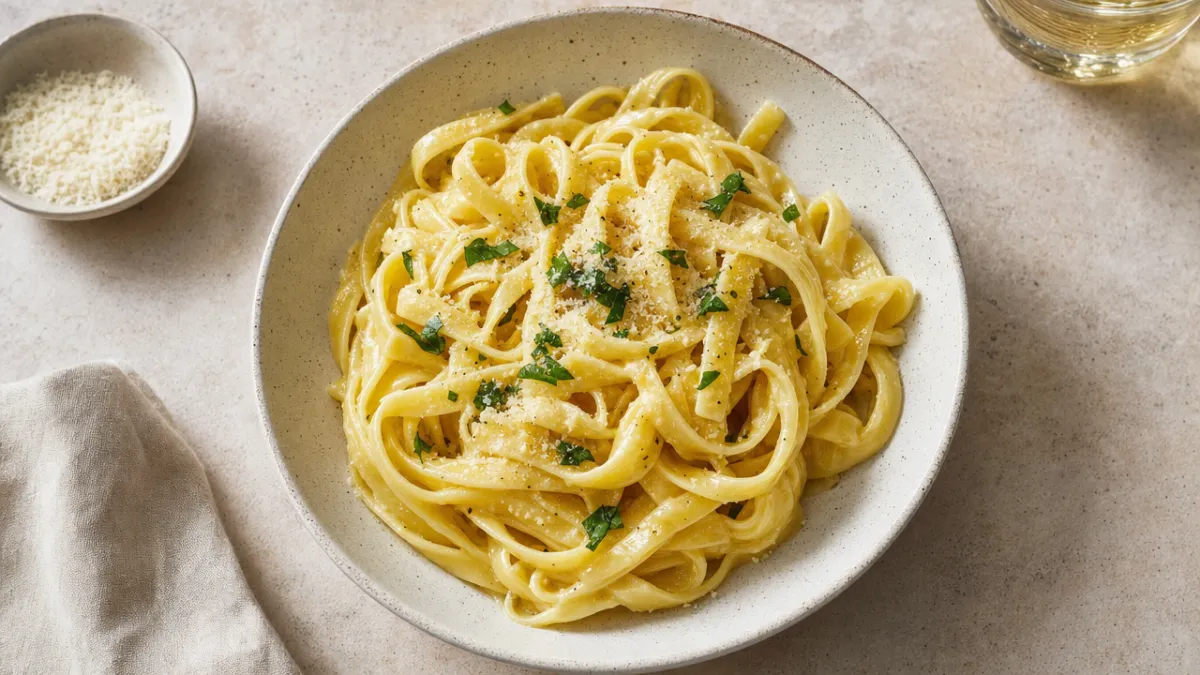
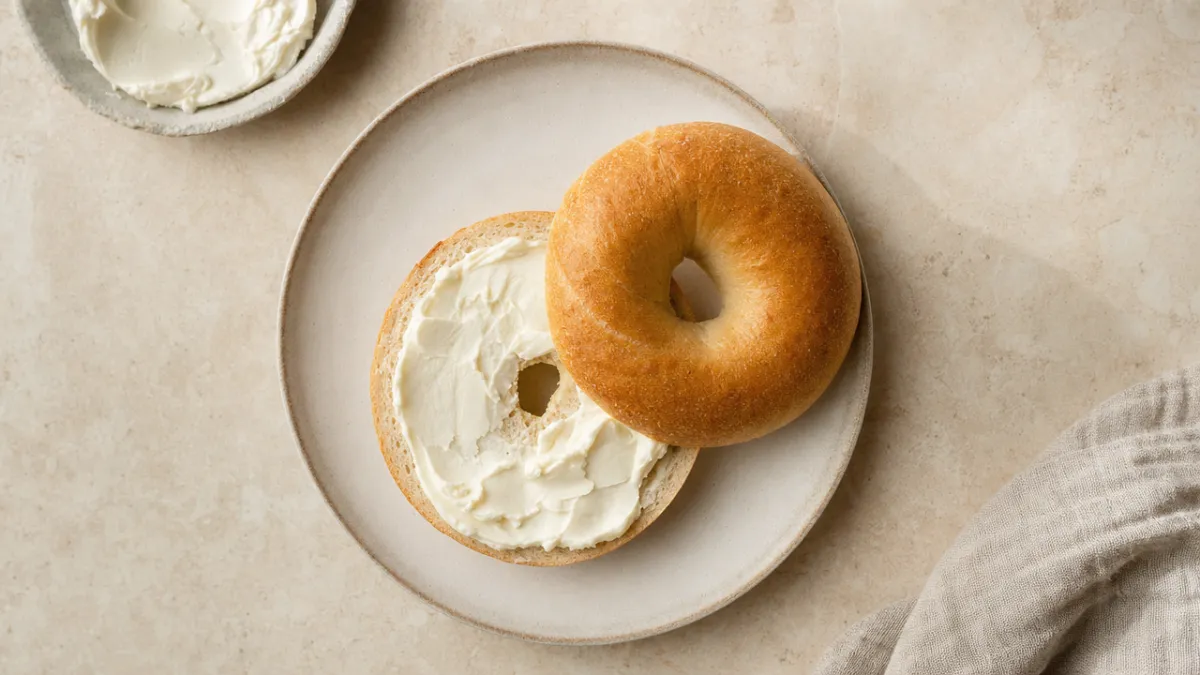
Standard white pasta is made from refined wheat flour, so like white bread and white rice it's low in insoluble fiber and generally easy on an inflamed gut. Whole wheat pasta carries the same higher-fiber considerations as other whole grains.
During a flare
White pasta, cooked soft, is commonly recommended as a low-residue starch during flares.
In remission
Well tolerated in remission; whole wheat pasta can be reintroduced as fiber tolerance allows.
What the research says about pasta and UC
Pasta gets a direct mention in the American Gastroenterological Association's patient page on fiber in IBD, which lists pasta or noodles with white rice, white or sourdough bread, instant oatmeal, and polenta as grains that are usually well tolerated. The AGA's organizing idea is that the type, amount, and texture of fiber decide tolerance, and refined semolina pasta is low in insoluble fiber and soft once cooked. Its contrasting list of harder grains, whole wheat bread, steel cut oats, quinoa, and popcorn, is where whole wheat pasta would sit by extension, though the page does not name it.
Cleveland Clinic's ulcerative colitis diet guide never mentions pasta. Its flare advice names white rice and oats as easily digestible grains, suggests limiting insoluble fiber from fruit skins, popcorn-type whole grains, and root or leafy vegetables, and flags dairy as a common trigger, which is relevant to cheese-heavy and cream-based sauces. Its remission advice favors whole grains within a Mediterranean-style pattern. Neither source tests pasta in a colitis population, and neither addresses legume-based pastas made from chickpeas or lentils, which carry several times the fiber of semolina. In practice the sauce often matters more than the noodle, and that is where the guidance on dairy and personal triggers applies.
Ways to make it gentler
- Cook past al dente if fiber or texture is an issue
- Go easy on cream-, garlic-, or oil-heavy sauces if fat is a personal trigger
Safer swaps
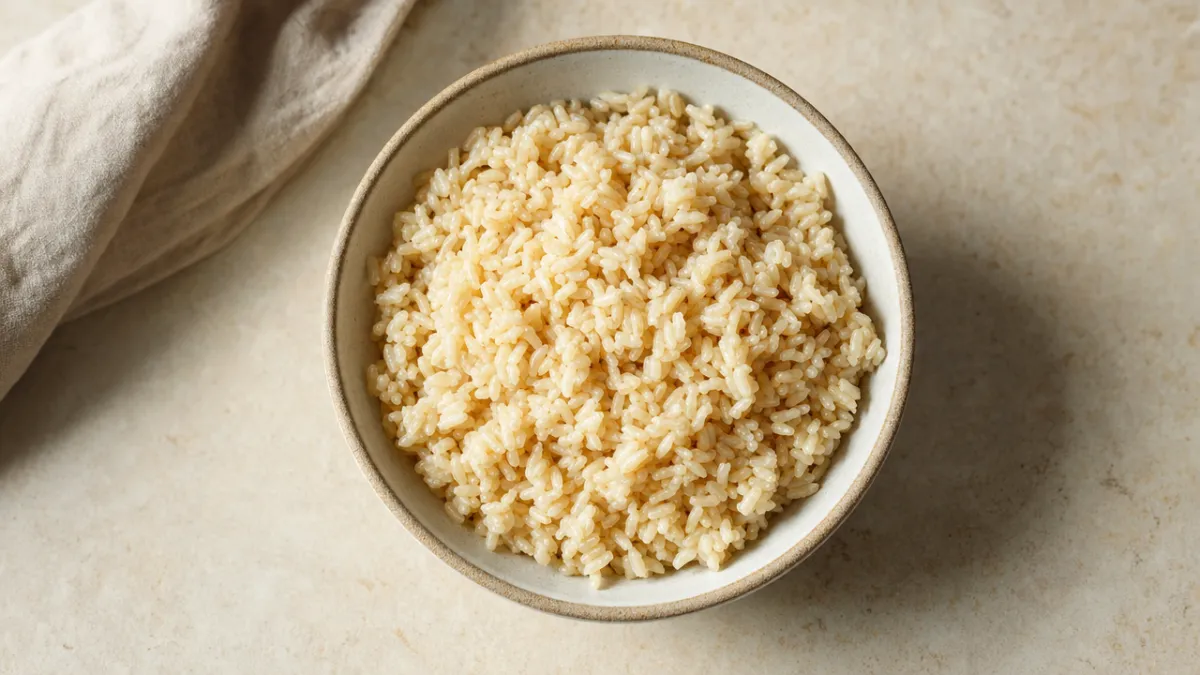
- white rice
How I handle pasta
Pasta is a food I split into two decisions: the noodle and the sauce. The noodle is easy. Plain white spaghetti or small shapes like orzo, boiled a minute or two past al dente so they are properly soft, have never been the part that bothers me. The sauce is where I pay attention. During a flare I keep it to butter, a little olive oil, or a mild broth with some shredded chicken, and I skip the garlic and onion that most jarred sauces are built on. Tomato sauce is a remission food for me, in modest amounts, and cream-based sauces get the same treatment. I have tried chickpea pasta and found the fiber jump noticeable, so it lives in the same mental drawer as whole wheat pasta: fine when I am well, not something to test when I am not. Leftover plain pasta reheated with a bit of butter is a surprisingly good bad-day meal.
How much, and how to test it
A cup of cooked white pasta with butter or a small amount of olive oil and salt is a fair first serving, even during a flare. Cook it soft rather than firm. Watch for cramping or urgency over the next day, then change one thing at a time on later days: add a simple tomato sauce, then a little cheese, then protein. Whole wheat or legume pasta is its own reintroduction, best attempted after a few stable weeks with a half portion mixed into regular pasta. A reaction after a saucy plate usually points at the sauce.
What you get from pasta
A cup of cooked enriched pasta has about 200 calories, seven grams of protein, and two to three grams of fiber, with added iron, folic acid, and B vitamins from enrichment. That protein is higher than rice offers, which helps when appetite is poor and weight is drifting down. Whole wheat pasta roughly doubles the fiber, and chickpea or lentil pasta adds more protein and iron but also far more fiber. Potassium is low unless the sauce supplies it.
Questions people ask about pasta and UC
Is pasta ok for ulcerative colitis?
Plain white pasta is generally one of the easier starches, in flares and remission alike, because refined semolina is low in insoluble fiber. The bigger question is what goes on it. Garlic- and onion-heavy sauces, cream sauces, spicy arrabbiata, and oily pesto are the usual sources of trouble, and each is worth testing separately. Whole wheat and legume pastas are remission foods for most people rather than flare foods.
Can I eat pasta with colitis during a flare?
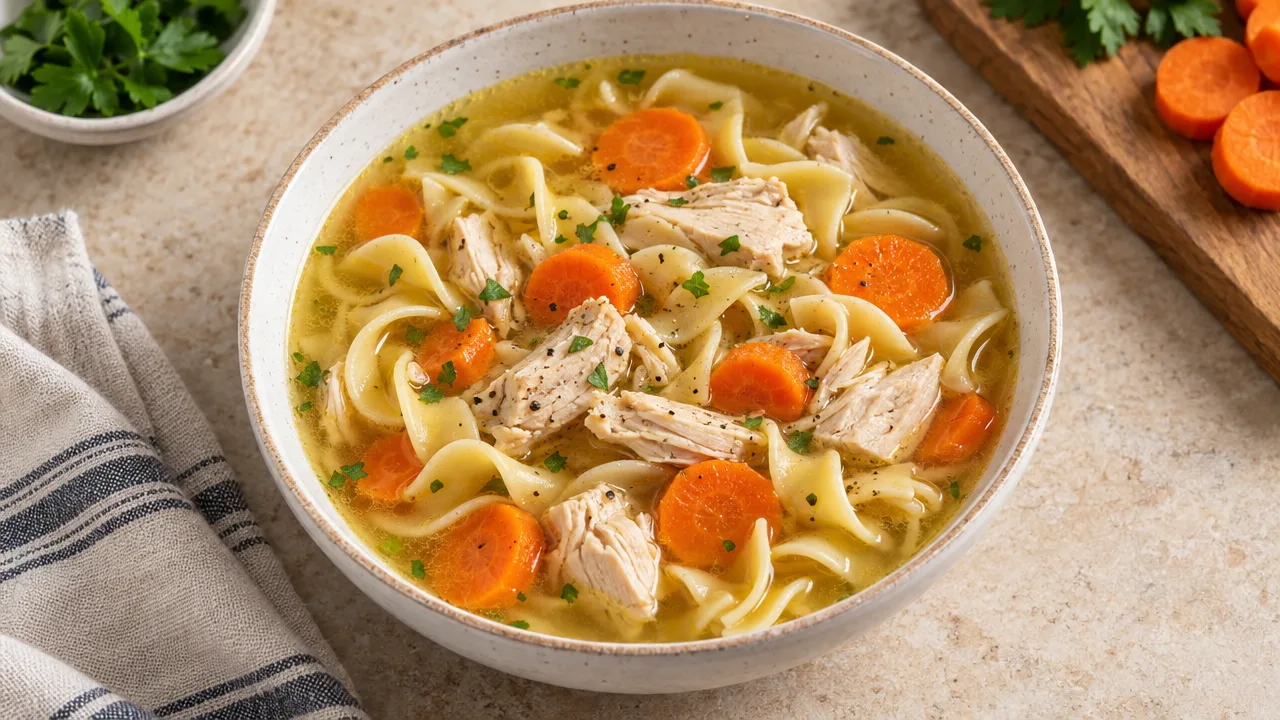
Many people keep it in rotation during a flare, cooked soft and dressed simply with butter or a small amount of olive oil and salt. Small shapes such as orzo or stelline in a clear broth are especially easy. The things to leave out until symptoms settle are heavy sauces, lots of cheese, and anything spicy. If plain pasta sits well and a sauced version does not, the sauce is the variable to adjust.
What pasta sauce is best with ulcerative colitis?
Simplest tends to win. Butter with a little parmesan, olive oil with a pinch of salt, or a light chicken broth are the gentlest options during a flare. A smooth tomato sauce without garlic or onion is a common next step, since tomato acidity is a problem for some people but not most. Cream, vodka, and alfredo sauces bring fat and lactose, and pesto brings oil and nuts, so those usually wait for remission.
Is whole wheat or chickpea pasta ok with UC?
In remission, either can be a useful way to add fiber and, in the case of chickpea or lentil pasta, extra protein and iron. During a flare both are usually set aside. Whole wheat pasta has about twice the fiber of white, nearly all of it insoluble bran, while legume pastas carry even more fiber plus fermentable carbohydrates that can cause gas. Reintroduce them as half portions blended with regular pasta.
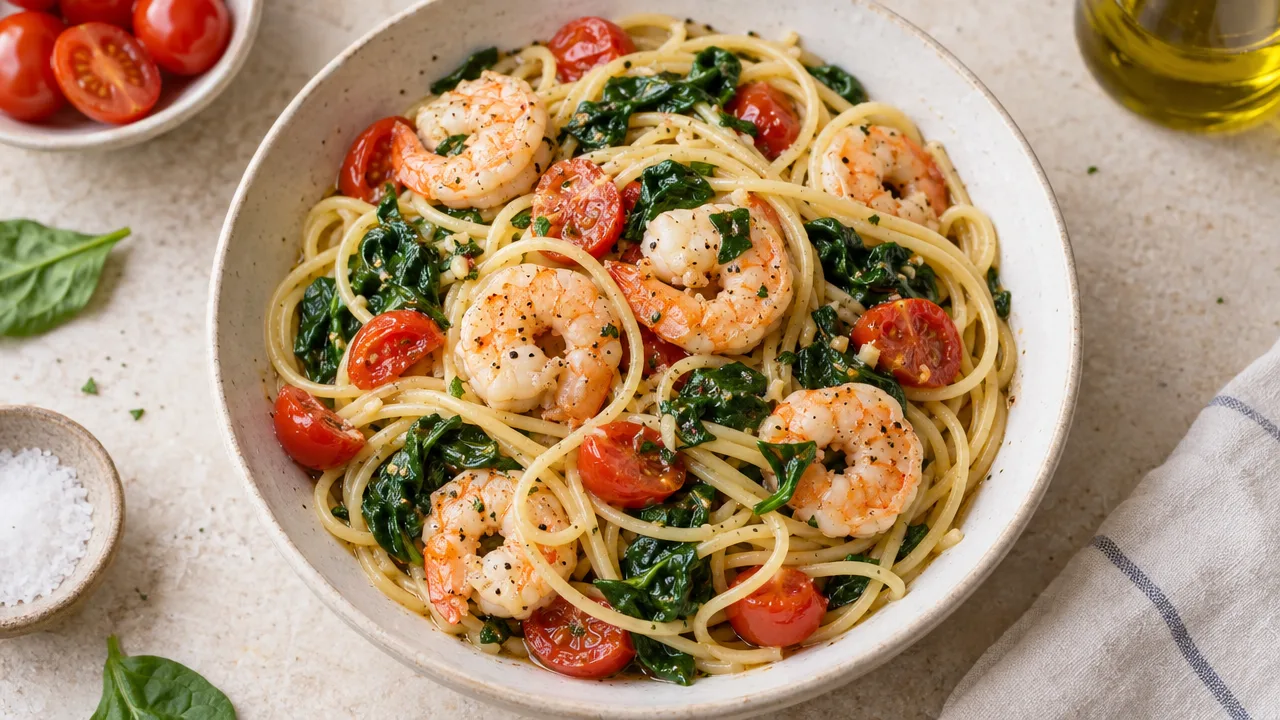
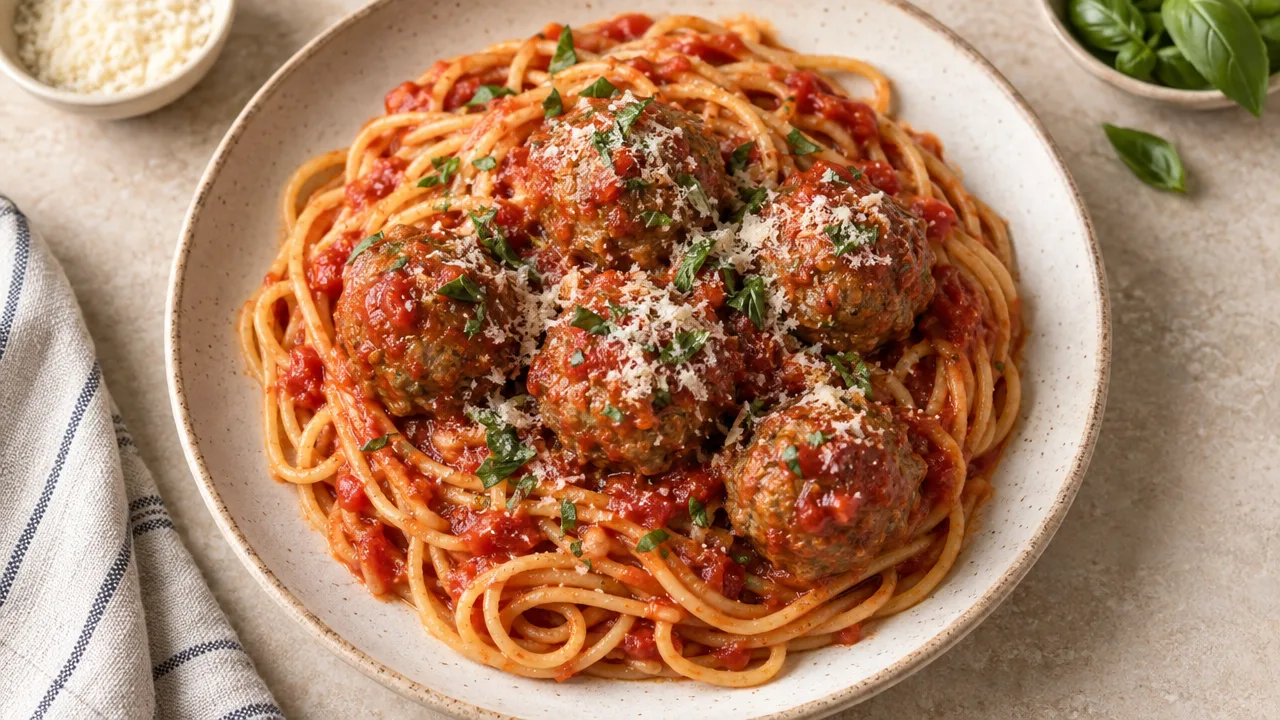
Recipes that use pasta
Sources
- The Ulcerative Colitis Diet: What To Eat and Avoid (Cleveland Clinic)
- Inflammatory bowel disease (IBD): Role of fiber (American Gastroenterological Association)
Written by Jude Horak, a UC patient. Sources last checked 2026-08-12. Spotted an error? Tell me.